1300 760 441
 cs@factoryfast.com.au
Shower Screen Glass Thickness: What Homeowners Should Know

Picking a shower screen sounds straightforward until you realise there are multiple glass thicknesses to choose from. In Australian homes, shower screen glass typically ranges from 4mm to 10mm thick, with 12mm used for extra-large or high-end applications. The minimum thickness for framed shower screens is 5mm, while partly framed screens require at least 6mm and frameless screens need to be 10mm thick. This guide is designed for Australian homeowners planning a bathroom renovation or upgrade, helping you understand why glass thickness is crucial for safety, and long-term satisfaction.
Understanding the right shower screen glass thickness is important not only for achieving your desired look and feel but also for ensuring your bathroom meets all safety and legal requirements. Choosing the correct thickness can help prevent costly mistakes, and deliver a shower that feels solid and secure for years to come.
This guide breaks down everything Australian homeowners need to know about shower screen glass thickness—from which measurements suit different bathroom layouts to how thickness affects your budget, installation, and long-term satisfaction.
Introduction to Shower Screens
Shower screens are a cornerstone of modern bathroom design, blending practicality with style to create a comfortable and visually appealing space. When selecting the right shower screen for your home, you’ll encounter a variety of options, each with its own set of features and benefits. Frameless shower screens are a popular choice for those seeking a sleek, minimalist look that maximizes natural light and creates a sense of openness. Their clean lines and lack of visible framing make them a standout in contemporary bathroom design.
On the other end of the spectrum, fully framed shower screens offer a more traditional approach. These screens surround the glass with a sturdy frame, providing extra support and durability—ideal for busy family bathrooms or high-traffic areas. Semi frameless shower screens strike a balance between the two, featuring minimal framing that enhances both style and function. This type is perfect for homeowners who want a modern touch without fully committing to the frameless look.
Understanding the different types of shower screens—frameless, fully framed, and semi frameless—will help you choose the right shower screen to suit your bathroom renovation goals, style preferences, and practical needs. Whether you’re updating a classic bathroom or designing a brand-new space, the right shower screen can elevate your bathroom’s overall design and functionality.
Shower Screen Glass Thickness: Minimums and Typical Ranges
Shower screen glass thickness typically ranges from 6mm to 10mm, with 12mm used for extra-large or high-end applications. The minimum thickness for framed shower screens is 5mm, while partly framed screens require at least 6mm and frameless screens need to be 10mm thick. These standards ensure that your shower screen is strong, safe, and compliant with Australian regulations.
In Australia, all shower screen installations must use Grade A safety glass—either toughened or laminated—to minimize the risk of injury in case of breakage.
Quick Answers: What Thickness Glass Do I Need?
In Australian homes, shower screen glass typically ranges from 4mm to 10mm thick. The right choice depends largely on the style of screen you’re installing. Fully framed shower screens generally use slimmer glass (around 4mm–6mm), semi frameless shower screens sit in the middle (6mm–8mm), and frameless shower screens usually require thicker glass (8mm–10mm) to stay rigid without a supporting frame.
Thicker glass usually feels more solid and looks more upmarket, but it weighs more and can cost extra to install. The trade-off between appearance, durability, and budget is something every homeowner needs to weigh up before making a decision.
Here’s a quick guide to which thicknesses typically suit different situations:
-
Small family bathrooms and rental properties: 4mm–6mm framed screens offer practical durability at a lower price point
-
Standard ensuites and main bathrooms: 6mm–8mm semi frameless options provide a cleaner look with reasonable weight
-
Premium renovations and modern ensuites: 8mm–10mm frameless glass delivers a high-end, open feel
-
Over-bath installations: 6mm–8mm works well because lighter panels are easier to swing open
The right shower screen glass thickness also depends on your chosen screen style, the hardware supporting it, and your overall bathroom layout—not just your renovation budget.
How Glass Thickness Affects Your Shower Screen
Rigidity and Weight
Thickness is more than just a number on a product description. It changes how your glass shower feels when you use it, how it looks in your bathroom space, and how well it performs over years of daily use.
-
Rigidity: Thicker glass has less flex. When you push on a 10mm panel, it feels noticeably more solid than a 6mm piece of the same size. This matters most for larger panels and moving doors.
-
Weight: Every extra millimetre adds weight. A 10mm door is substantially heavier than a 6mm door, which affects how smoothly it swings and how robust your wall fixings need to be.
Installation Complexity
-
Installation complexity: Heavier, thicker glass needs stronger brackets, hinges, and wall anchors. Installers also need to take more care when handling and positioning heavy panels.
-
Wall fixing requirements: Heavier panels demand solid fixing points and precise measurements during installation. If doors aren’t hung correctly, they can sag or drag over time.
Long-term Durability
-
Long-term durability: Thicker glass provides a larger margin against the cumulative effects of moisture, temperature changes, and everyday bumps during cleaning or showering.
Very thin glass can feel unstable in larger panels, especially in bigger walk-in shower designs where there’s no frame to provide extra support. If you’ve ever leaned on a wobbly shower panel, you’ll understand why thickness matters for both safety features and everyday confidence.
Typical Thicknesses by Shower Screen Style
Different types of shower screens use different thicknesses because of how the glass is supported. A fully framed design wraps aluminium around every edge, giving slimmer glass plenty of backup. A frameless shower relies almost entirely on the glass itself for structural strength.
Understanding this relationship helps you match the right thickness to your preferred style.
Framed Shower Screens: Slimmer Glass, More Support
Fully framed screens use aluminium framing around every edge of the glass panel. This metal framework carries much of the structural load, which means framed screens can typically use slimmer glass panels without feeling flimsy.
For many framed shower screens, glass thickness sits around 4mm–6mm, with the minimum for framed toughened glass being 5mm. This keeps weight manageable and costs reasonable while still providing a solid, reliable shower enclosure.
The frame itself helps keep slimmer glass stable, making traditional shower screens a practical choice for busy family bathrooms and rental properties where durability and value matter more than a minimalist aesthetic. When combined with quality hardware and proper installation, framed toughened glass performs reliably for years.
Factoryfast.com.au stocks framed screens and panels that match these common thicknesses, making it straightforward to find options suited to standard suburban bathrooms and investment properties.
Semi-Frameless Shower Screens: A Balance of Thickness and Style
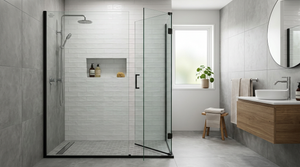
Semi frameless showers feature metal framing around the perimeter but leave the door edges or main panel edges unframed. This creates a lighter, more open look than fully framed screens while still providing some structural support.
Because parts of the glass aren’t supported by framing, semi frameless designs typically use slightly thicker glass—usually 6mm–8mm for doors and fixed panels, with a minimum of 6mm. This extra thickness gives the glass enough stiffness to stay solid where it isn’t held by a frame, while keeping overall weight manageable.
Semi frameless shower screens make a good middle-ground option for homeowners wanting a cleaner, more contemporary appearance without the cost of very thick frameless glass. They work well in standard ensuites, new builds, and bathroom spaces where you want to let in more natural light without committing to a fully frameless design.
Frameless Shower Screens: Thicker Glass for a Minimal Look
Frameless screens rely on the glass thickness itself—plus discreet brackets, channels, or hinges—rather than a full frame around every edge. This creates the sleek, open look that’s become popular in modern bathroom design.
To achieve this minimal appearance while maintaining rigidity, frameless glass typically ranges from 8mm–10mm for fixed panels and pivot or hinged doors, with a minimum of 10mm for safety and durability. Some premium installations use even thicker glass for an especially substantial feel.
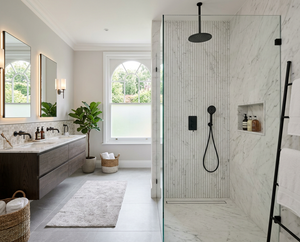
Frameless shower screens offer a high-end aesthetic and make any bathroom space feel larger and more open. They’re popular in modern ensuites and larger family bathrooms where the visual impact justifies the investment.
However, very thick panels are heavier, need solid fixing points in your bathroom walls, and usually require professional installation with precise measurements. This isn’t typically a DIY installation project.
Choosing the Right Thickness for Your Bathroom Layout
Room size, shower position, and who uses the bathroom should all guide your choice of glass thickness. A small corner shower in a rental property has very different requirements from a large walk-in design in a master ensuite.
Here’s how different scenarios typically match up with thickness recommendations:
-
Small 900mm x 900mm corner showers: 6mm glass in a framed or semi frameless design works well. The compact size means panels don’t need to be overly thick to feel stable.
-
Over-bath screens: 6mm–8mm suits these installations because the lighter weight makes hinged doors easier to swing open and closed. Bath screens in this range feel solid without being cumbersome.
-
Walk-in recess showers: 8mm is a reliable choice for fixed panels in alcove showers, providing good rigidity for panels that span a standard recess width.
-
Large open walk-in designs: 10mm frameless glass creates the impressive, spa-like feel that suits spacious shower enclosures. The extra thickness prevents flex across wider spans.
-
Tall panels reaching toward high ceilings: Thicker glass (8mm–10mm) helps prevent flex, especially in the upper sections where thinner glass might wobble.
Consider long-term use when choosing between slimmer and thicker glass. Children grow up, older relatives might stay over, and your bathroom needs may change. If you’re planning to sell eventually, a solid, well-installed shower screen adds to your home’s appeal.
Also think about ventilation and ceiling height. Tall panels can flex more if they’re too thin for their span, and proper airflow helps prevent moisture buildup that affects all glass surfaces over time.
For a sleek and modern bathroom upgrade, consider the Della Francesca framed safety glass shower screen (1200×900×1900 mm) — its pivot door design balances style with everyday durability.
Glass Thickness vs Budget and Installation Costs
Thicker glass generally increases material cost, transport care, and installation time. These factors can add up, so it’s worth understanding how thickness affects your overall bathroom budget before committing to a particular specification.
Here’s how different thicknesses typically influence costs:
-
6mm glass: The most economical option. Stock-sized framed or semi frameless screens in 6mm are widely available and straightforward to install.
-
8mm glass: A step up in both feel and price. Often described as the sweet spot between affordability and a more substantial appearance. Installation is still manageable for experienced installers.
-
10mm glass: Reserved for premium installations. The glass costs more, handling requires extra care, and installation takes longer due to the weight and precision required.
Stock-sized screens in common thicknesses are usually more affordable than custom-cut frameless panels in very thick glass. If your shower space fits standard dimensions, you’ll find better value in ready-made options.
Heavier glass often needs additional brackets, hinges rated for higher weights, and stronger wall fixings. These components add to project costs, as does the extra labour time for professional installers to handle and position heavy panels correctly.
The best approach is to balance the look and feel you want against what you realistically want to spend. A well-installed 8mm semi frameless screen can look and perform beautifully without blowing out your budget.
Maximise your bathroom’s space and aesthetic with the 90×90 cm corner frameless shower screen, featuring premium fittings and a contemporary finish.
Maintenance: Does Thicker Glass Make Cleaning Easier?
Glass thickness doesn’t change how often you need to clean your shower screen, but it does influence how solid the panel feels while you’re cleaning it.
-
Thinner panels (4mm–6mm): Larger panels can flex slightly when you wipe them down, especially if you’re applying pressure with a squeegee or cloth. This isn’t a problem, but it can feel less substantial.
-
Thicker panels (8mm–10mm): Feel more rigid and stable under cleaning pressure. The glass surface stays put, making the cleaning experience feel more premium.
-
Framed and semi frameless designs: Can trap soap scum and grime in the frame channels, regardless of glass thickness. These areas need occasional attention to prevent buildup.
-
Frameless designs: Have fewer edges and channels where dirt can accumulate, making the entire enclosure easier to keep clean in some respects.
For any thickness, simple daily habits make the biggest difference. A quick squeegee after each shower prevents water spots, and mild cleaners preserve glass clarity without damaging toughened safety glass or tempered glass surfaces. Avoid abrasive scrubbers that can scratch clear glass, frosted glass, or textured glass finishes.
Homeowners who want easier maintenance can look for screens from factoryfast.com.au with modern, minimal hardware that reduces grime traps and keeps your shower space looking fresh with less effort.
How to Choose a Shower Screen (and Thickness) from factoryfast.com.au
Factoryfast.com.au is an online destination where Australian homeowners can source new shower screens and components suited to different glass thicknesses and bathroom styles. Whether you’re after sliding shower screens, hinged doors, or fixed glass panels, the range covers options for various bathroom size requirements and style preferences. Acrylic panels are also available as a lightweight and cost-effective alternative to traditional glass shower screens.
Here’s a simple step-by-step process for choosing the perfect shower screen:
-
Measure your shower area: Get accurate dimensions of your shower recess or opening. Precise measurements prevent ordering errors and ensure your screen fits properly.
-
Decide on framed vs semi frameless vs frameless: Consider your bathroom style, budget, and how much natural light you want to let through. Each style has different minimum thickness requirements.
-
Choose an appropriate thickness range: Match your thickness to your chosen style—slimmer for framed screens, thicker for frameless designs.
-
Browse product styles on factoryfast.com.au: Compare product descriptions to confirm thickness and configuration, then pair the right glass with your bathroom design and bathroom layout. When selecting your shower screen, consider the importance of choosing the right shower door style—such as sliding, hinged, or standalone—to best suit your bathroom layout and needs.
-
Consider installation: Thicker, heavier screens typically benefit from professional installation to ensure everything is level, secure, and operating smoothly.
When choosing providers or product types, trusted local companies like Dee Glass offer custom glass solutions, quality assurance, and expertise in shower screen installation and maintenance. Reputable companies such as True Blue Glass provide high-quality, safe, and compliant shower screen glass options, and are known for expert advice and proper installation.
Buying a quality screen in the correct thickness the first time helps avoid problems like flexing, door misalignment, or the need for early replacement. Whether you’re choosing sliding doors for a compact space or a large frameless screen for an open walk-in design, getting the thickness right makes a real difference to how your shower looks and functions.
Factoryfast.com.au also offers related products like custom mirrors and other glass buildings selection items to complete your ideal shower screen and bathroom setup.
If you want minimalist elegance and reliable performance, the 180° pivot door 6 mm safety glass shower screen (800×1400 mm) is a perfect choice for modern bathrooms.
Key Points Homeowners Should Know About Shower Screen Glass Thickness
-
Minimum and Typical Thicknesses: Shower screen glass thickness typically ranges from 6mm to 10mm, with 12mm used for extra-large or high-end applications. The minimum thickness for framed shower screens is 5mm, partly framed screens require at least 6mm, and frameless screens need to be 10mm thick.
-
Benefits of Thicker Glass: Thicker glass is generally stronger and more resistant to impact, enhancing safety in shower screens. It is often flatter and smoother, making it easier to clean, especially when treated with water-repellent coatings.
-
Professional Installation: Professional installation by a licensed glazier is highly recommended for 8mm and 10mm glass due to their weight and handling requirements.
Conclusion: Bringing it All Together
Choosing the right shower screen glass thickness means balancing how your shower looks, how it feels to use, and what fits your renovation budget. There’s no single “correct” answer—the right choice depends on your bathroom layout, your preferred screen style, and how you want your visually appealing space to feel every day.
Start by understanding the basics: framed screens work well with thinner glass, frameless designs need thicker glass, and semi frameless options sit comfortably in between. From there, consider your specific situation—bathroom size, who uses the space, and how long you plan to stay in your home.
The strength and safety features of modern toughened glass and laminated safety glass mean that any properly specified thickness will serve you well. The differences come down to feel, appearance, and budget rather than fundamental performance.
When you’re ready to shop, visit factoryfast.com.au to explore shower screen designs that match your requirements. Take your time with measurements, think about both function and appearance, and choose a glass thickness that you’ll be happy with for years to come.
FAQ
What shower screen glass thickness should homeowners choose for safety and durability?
Homeowners looking for the ideal shower screen glass thickness should consider their bathroom layout and screen style. Typically, framed shower screens use 4mm–6mm glass, semi frameless screens require 6mm–8mm, and frameless designs need 8mm–10mm thick glass. Thicker glass offers enhanced rigidity and long-term durability, while providing a premium look and feel.
How does shower screen glass thickness affect installation and maintenance?
Glass thickness impacts both installation complexity and maintenance ease. Thicker glass panels, such as 10mm frameless glass, are heavier and require professional shower screen installation with precise measurements and robust hardware like hinges and brackets. Frameless shower screens with thicker glass also reduce grime traps, making cleaning easier compared to framed options, which can trap dirt and soap scum in their channels.
Can I use tinted glass or laminated glass for my shower screen?
Yes, tinted glass adds privacy and style while reducing glare, making it a popular choice for modern bathroom designs. Laminated glass offers extra safety by holding shards together if broken. Choosing laminated safety glass or tinted glass elevates your bathroom’s aesthetic while ensuring protection and durability in your shower enclosure.
What are the benefits of partly framed versus fully framed shower screens?
Partly framed shower screens use thicker glass than fully framed screens, typically around 6mm, providing a balance between sturdiness and a sleek appearance. Fully framed shower screens often use 4mm–5mm glass, offering robust protection but with more framing that can trap dirt. Partly framed designs enhance your bathroom style while reducing grime traps, making maintenance simpler.
Why is professional installation recommended for thicker shower screen glass?
Professional installation ensures your glass shower screen—especially those with thicker panels like 8mm to 10mm—is securely fixed and aligned. Experts comply with Australian safety standards and use appropriate hardware to prevent issues like door sagging or glass flex. Proper installation maximizes the longevity and performance of your shower enclosure, safeguarding your investment and enhancing your bathroom’s appeal.
What are the essential facts about shower screen glass thickness in Australia?
-
Shower screen glass thickness typically ranges from 6mm to 10mm, with 12mm used for extra-large or high-end applications.
-
The minimum thickness for framed shower screens is 5mm, partly framed screens require at least 6mm, and frameless screens need to be 10mm thick.
-
All shower screen installations must feature Grade A safety glass, whether toughened or laminated, to minimize the risk of injury in case of breakage.
-
Thicker glass is generally stronger and more resistant to impact, enhancing safety in shower screens, and is often easier to clean.
-
Professional installation by a licensed glazier is highly recommended for 8mm and 10mm glass due to their weight and handling requirements.
 Tags:
Tags: