1300 760 441
 cs@factoryfast.com.au
How to Choose the Right Shower Screen for Your Bathroom: Layout, Glass and Door Guide
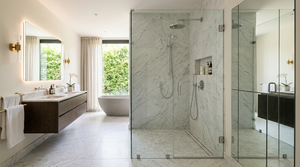

Choosing a shower screen is easier when you start with the room, not the trend. The screen has to keep water where it belongs, fit the way your bathroom opens and closes, and still feel right once the rest of the fittings are in place. That is why the best shower screen is rarely just the most stylish one. It is the one that suits your layout, your clearance, and the amount of upkeep you are happy to do.
Factory Fast’s shower screens collection shows how broad the category really is. In one place you can compare frameless, semi-frameless, corner, bath, sliding and wall-to-wall options, which makes it a useful starting point if you are still narrowing the field. Before you buy, work through the same questions a practical renovator would ask: where will the screen sit, how will the door move, how much glass do you want to see, and what details will matter every day once the bathroom is in use?
Start with the bathroom layout, not the style
The layout decides more than people expect. It influences the shape of the screen, the opening style, how much glass you need, and whether a fixed panel, a return panel or a full enclosure makes more sense.
Recessed and wall-to-wall showers
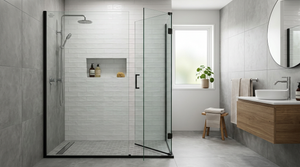
If your shower sits between two walls, a wall-to-wall screen usually gives the cleanest result. This type of setup suits buyers who want a proper enclosed shower zone without using extra floor space outside the wet area. A model such as the 120 x 200cm wall-to-wall frameless shower screen shows what to look for: a total width of 120 cm, a 200 cm height, a fixed panel and a door panel split, and hardware included so the configuration is clear before purchase.
Corner showers for tighter footprints
Corner layouts work well when the bathroom footprint is compact and you want the shower tucked into one zone rather than stretched across the room. Corner models help preserve circulation space, especially in ensuites where every centimetre matters. Factory Fast’s corner range includes configurations that suit smaller rooms as well as larger square layouts, and their frameless corner options span sizes from 90 x 70 cm through to 120 x 120 cm, so there is real variation rather than a single standard answer. quadrant shower screens fit neatly into a corner and often use sliding or pivot doors, making them a stylish, space-efficient choice for compact bathrooms.
Shower over bath and walk-in layouts
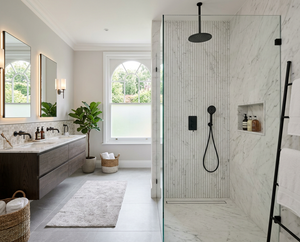
If the household still uses the bath regularly, a bath screen is usually the cleaner upgrade path. The bath screens collection is more relevant than a full enclosure because it keeps the room practical for both bathing and showering. If you are designing a more open shower area, a fixed walk-in panel can feel lighter and less bulky than a door-based enclosure, but it also depends more heavily on good screen placement and water control. A fixed panel is a single, fixed glass panel with a contemporary, open look that works especially well in large bathrooms and spacious walk-in layouts.
Choose the door style around daily clearance
Door movement changes the way a bathroom feels in use. The right opening style should suit how much space you have in front of the shower and how easy you want entry to be.
Pivot doors
Pivot doors are straightforward and familiar. They can give a generous opening and a strong sense of access, which many buyers prefer in a main bathroom. Unlike a hinged door that swings from one side rather than on a track, pivot door shower screens open on a central pivot and can offer easy access. The trade-off is clearance. You need enough room for the door swing, and nearby vanities, toilets or towel rails should not interfere. They are better suited to larger bathrooms because they require the space needed for the full door arc. Bi-fold door shower screens fold in half to provide a wider opening without the space requirements of a standard swinging door, making them a practical option for medium-sized bathrooms.
Sliding door shower screens
sliding door shower screens are a smart option when the room is narrow, with doors that slide along a track instead of projecting outward. They are particularly useful in small bathrooms because they do not require extra space to open. The main question here is not whether sliding is stylish enough, but whether reducing outward swing will make the room easier to live with every day. This can also free up extra space around nearby fixtures.
Fixed panels and open-entry designs
A fixed panel gives the most minimal look, creates unobstructed views, and suits a modern design while removing moving parts that can help with cleaning and visual simplicity. It suits buyers who want a walk-in feel and do not need a fully enclosed shower. The simple glass surface also supports easy cleaning. This is often where the room can look most open, but it works best when the shower head position and the overall wet area design support good splash control.
Compare frame styles, glass feel and maintenance
Once the layout is clear, the next big decision is how visible you want the framing to be and how substantial you want the glass to feel. For budget-conscious homeowners, framed shower screens are the cost-effective counterpart to frameless and semi-frameless styles, and a fully framed shower screen uses a robust metal frame with thinner glass for structural integrity and better control of water leakage in busy family bathrooms. Glass thickness typically ranges from 6 mm to 10 mm depending on frame type, and while thicker glass can feel more premium, it also needs solid wall framing.
Frameless shower screens offer the cleanest and most minimalist look
Frameless shower screens are favored in modern bathrooms for their sleek design that highlights the glass as the primary feature. The frameless shower screens collection highlights the typical characteristics: minimal visual interruption, corrosion-resistant hardware, and glass-driven design. On Factory Fast, frameless options also show a strong finish range including polished chrome, matte black, brushed nickel and brushed brass, plus glass options such as low iron, crystal clear, frosted and tinted on selected models.
In practical terms, frameless often feels more premium because of the heavier, thicker tempered safety glass and reduced metal surround, which helps create a more unobstructed view and a stronger sense of space. The 120 x 200cm wall-to-wall frameless model uses 10 mm tempered glass, two hinges and three clamps or brackets, which gives you a useful benchmark for what a substantial frameless build looks like.
Semi-frameless for balance and flexibility
Semi-frameless screens are a strong middle ground, using minimal framing to balance an open look with added structure. The semi-frameless shower screens collection explains that these models are often easier to fit in smaller or slightly imperfect spaces because the adjustable mounting systems can accommodate minor wall variation. They also give you a more structured enclosure feel without looking as heavy as a fully framed unit.
An adjustable chrome semi-frameless model shows why this category works for many renovation buyers. It uses 6 mm toughened glass, a pivot door, a reversible left or right entry, a magnetic closing strip and a glass coating designed to reduce soap scum and limescale build-up. If your priority is everyday practicality rather than the most minimal possible look, that mix is compelling.
Check the details that change the buying decision
Buyers often spend too much time on style names and not enough time on the details that actually determine whether the product will suit the room.
Measure width, height and adjustability
Do not stop at measuring the opening once. Check the width at multiple points and think about how the product is described. Some screens are fixed-size statements, while others build in useful tolerance. The semi-frameless chrome model above is designed for a front opening of 74 to 82 cm with a side panel for 89 to 92 cm, which is very different from a single hard dimension product.
Match hardware to the rest of the bathroom
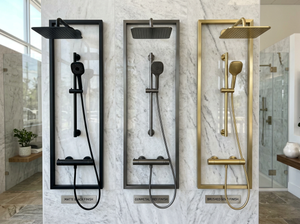
Hardware finish changes the final look more than many shoppers expect. Chrome remains the easiest fit for classic bathroom finishes, black creates a sharper contrast, and nickel or brass tones can soften the look depending on the room. Keep the screen hardware in step with your taps, robe hooks and handles so the bathroom reads as one design rather than a collection of parts. Handles, hinges, and finishes should support the overall aesthetic and bathroom décor, not just match for aesthetic appeal on their own.
Think about cleaning before you buy
Clear glass can make a bathroom feel larger by maximising natural light and light, while frosted or textured glass gives you more privacy. If you want the room to stay looking crisp with less effort, pay attention to coatings, frame edges and the number of ledges or channels that can collect residue, as easy-clean coatings help stop soap scum and mineral deposits from sticking as easily. Factory Fast’s range includes coated options in both the broader shower screen category and specific semi-frameless models, which is worth factoring in if easy care matters to you. Frosted glass is also a popular choice for shared bathrooms because it provides privacy while still allowing light through.
A practical shortlist for Factory Fast shoppers
If you are still narrowing the field, start broad and then reduce the category according to the room type. Use the main shower screen category page for the top-level comparison, then move into frameless shower screens if you want a more open, premium feel, or into semi-frameless shower screens if you want adjustability and a stronger price-to-practicality balance. If the room is working around a bathtub, go directly to bath screens instead of forcing a full enclosure into the wrong use case.
Product examples help once you know the format. The 120 x 200cm wall-to-wall frameless unit is a strong reference point for a modern enclosed shower with 10 mm glass, while the adjustable semi-frameless chrome model is better for buyers who need fitting flexibility and a more forgiving installation envelope. Using real product specs like these keeps the choice grounded.
Buy the shower screen that fits the room you actually have
The right shower screen is rarely the one with the best headline feature in isolation. It is the one that solves the room properly. For some bathrooms that will mean a frameless wall-to-wall screen with a clean line and heavier glass. For others it will mean a semi-frameless corner or return-panel setup that handles tighter tolerances more comfortably. Before buying, confirm the screen meets australian standards, including AS/NZS 1288 for Grade A toughened safety glass.
If you choose by layout first, then door movement, then frame style and finish, the shortlist becomes much easier to trust. That approach also makes your internal comparison at Factory Fast much clearer, because you are comparing products against the room’s real constraints rather than shopping by appearance alone.
Frequently Asked Questions
Related Articles
-
 Tags:
Shower Screens
Tags:
Shower Screens