1300 760 441
 cs@factoryfast.com.au
Wall Bed vs Sofa Bed: Which Space-Saving Option Is Right for You?
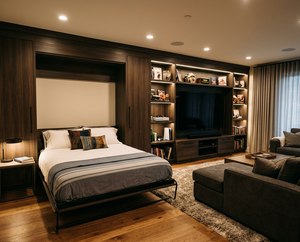

A wall bed and a sofa bed both promise two uses from one room, but they solve different space problems. A wall bed removes the sleeping footprint during the day. A sofa bed keeps a seating footprint in place and adds a bed when required. The right choice depends less on which product looks smaller online and more on what the room needs to do for most of the week.
If you want to compare current wall beds for Australian homes, assess daytime floor space, sleeping frequency, seating needs, installation and mattress choice together. That prevents a space-saving purchase from creating a different layout problem.
Begin With the Room’s Main Daytime Job
The fastest way to choose between a Murphy bed and sofa bed is to name the room’s primary function when nobody is sleeping. This decision should lead the product choice because the furniture will affect that function every day.
Choose a wall bed when open floor space matters most
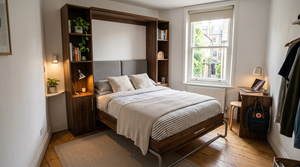
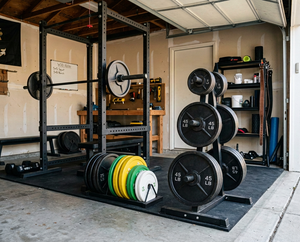
A fold-down wall bed suits a home office, playroom, exercise area, craft room or compact studio where a permanent sofa would interrupt the main activity zone. When the bed is closed, the cabinet remains against the wall and the floor in front can return to daytime use.
This makes the room genuinely convertible. A desk chair can move freely, children have room for play, or exercise equipment can be set out without working around a sofa base. The compromise is that the unit needs a suitable wall, assembly and a clear opening path at bedtime.
Choose a sofa bed when permanent seating matters most
A sofa bed makes more sense in a lounge, family room or media space where people need comfortable seating every day and overnight accommodation only occasionally. Its daytime footprint is not wasted because the sofa is performing the room’s main job.
The trade-off appears when the bed is opened. Coffee tables, ottomans or occasional chairs may need to move, and the room must hold both the sofa body and the extended sleeping surface. For a living area that already needs a sofa, that can still be the more practical compromise.
Compare Closed Space and Open Space Separately
The phrase space-saving bed can be misleading unless you measure both operating modes. A wall bed is compact while closed but extends into the room when lowered. A sofa bed keeps a larger permanent base in the room and needs additional floor depth when converted.
Current Factory Fast cabinet dimensions make the wall-bed side of the comparison concrete. The single white gloss wall bed measures 106 cm wide, 40 cm deep and 197 cm high when closed, then extends 204.6 cm from the wall when open. That shallow 40 cm daytime depth is valuable in a small study, but the full opening zone must stay clear.
A current queen configuration measures 167 cm wide, 40 cm deep and 208 cm high when closed, with an open length of 220.5 cm. This is why a wall bed can free useful daytime floor area without being a small object overall. It exchanges permanent floor occupation for a taller cabinet and a temporary night-time footprint.
For a sofa bed, do not rely on the stated seat width. Record the complete sofa depth, the full bed extension and the position of any loose cushions when it is open. Then check whether doors, robes and walking paths still work in both modes.
Decide How Much Sleep Comfort the Room Must Provide
Sleeping frequency changes the comparison. A room used by an adult every night places more importance on mattress choice and bed-like support than a lounge used for occasional guest nights.
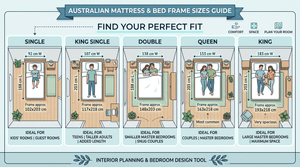
Factory Fast wall beds accept Australian-size mattresses within model-specific limits. Current cabinet models list a maximum mattress depth of 20 cm and use wooden flexi-slats. The mattress is purchased separately, which lets the buyer choose a feel and construction that suits the sleeper, provided size, depth and weight all match the mechanism.
A sofa bed usually uses a sleep surface designed around its folding or converting structure. That can be suitable for occasional visitors, but the range of compatible replacement mattresses may be narrower. Check the actual sleeping surface rather than judging comfort from the sofa cushions.
For two adults or more regular use, the queen wall bed in white with a gold handle fits a 153 x 203 cm mattress, lists a maximum depth of 20 cm and recommends a mattress up to 25-30 kg. Those limits are part of the bed decision, not details to solve after delivery.
Compare the Day-to-Night Routine
The most space-efficient option on paper can become frustrating if the conversion routine clashes with everyday life. Imagine the room at the end of a normal day, including bedding, cushions, work equipment and the furniture already in place.
A wall bed needs an unobstructed lowering path. Current models use hydraulic pistons, foldable legs and a slow-fall mechanism, while mattress restraints help keep the sleep setup with the frame. The practical question is whether the area in front of the cabinet can stay clear or be cleared easily each night.
A sofa bed keeps seating ready during the day, but conversion can involve moving a coffee table, removing cushions and finding somewhere to store them. If the sofa is in the main lounge and the bed is rarely used, that routine may be acceptable. If it becomes a nightly task, the storage and furniture movement deserve more weight in the decision.
Factor In Installation and Future Moves
Wall beds are the more committed option. Factory Fast cabinet models arrive flat-packed with hardware and instructions, and the cabinet must be fixed to a solid wall. A confident home builder may handle assembly, while professional installation is the sensible path when carpentry experience, wall condition or alignment is uncertain.
A sofa bed is freestanding. It may be heavy and awkward to move, but it does not normally become part of the wall. That flexibility can suit renters, households expecting to move or anyone who regularly rearranges the room.
Look beyond the purchase price and compare the complete setup: mattress, assembly, wall suitability, delivery access and any furniture that must be added or removed. Browse the wider bedroom furniture range with the proposed floor plan in hand so bedside storage, wardrobes and lighting do not compete with the bed’s opening zone.
Match the Option to the Room
Home office or study that hosts guests
A wall bed is usually the stronger fit when the desk and open working area must remain useful most days. The cabinet preserves a professional daytime room, while a regular mattress can make overnight stays feel more like a bedroom than an improvised lounge.
Main lounge or family room
A sofa bed is often the better match when seating is essential and sleeping is occasional. The sofa earns its floor space every day, and no separate lounge seating is required. Check the full extension carefully so the converted bed does not block the main path through the room.
Studio or one-room home
The choice depends on which shortage is harder to solve. Choose a wall bed when open floor area and a dedicated mattress matter more. Choose a sofa bed when there is no practical place for separate seating. If both seating and regular sleep are essential, sketch the entire room rather than comparing the two products in isolation.
Children’s room or play space
A single wall bed can return floor area for play or study, but the household must be comfortable with the daily opening routine and permanent installation. A sofa bed may provide a reading seat, yet it also keeps more furniture on the floor throughout the day.
Make the Final Decision
Choose a wall bed when the room needs to become open, mattress choice matters and permanent installation suits the property. Choose a sofa bed when daytime seating is the priority, sleep is occasional and future portability matters more than completely clearing the floor.
Before ordering either option, mark its closed footprint and full sleeping footprint on the floor with removable tape. Leave the outline in place for an evening, open every door and robe, move through the room and complete the activity the space normally supports. That short trial reveals whether the product saves usable space, not just measured space.
Frequently Asked Questions
Related Articles
-
 Tags:
Wall Beds
Tags:
Wall Beds