1300 760 441
 cs@factoryfast.com.au
Weighted Vests Buyer Guide: Choose the Right Load, Fit and Training Use
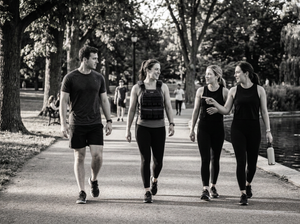

Picture the movement before you picture the vest. A brisk walk needs stable, evenly carried resistance; push-ups need chest clearance; squats need the load to stay close to the torso; faster circuits need a closure that does not loosen as direction changes.
The right weighted vest is the one that behaves well during your chosen exercises, not simply the heaviest model available.
This weighted vests buyer guide starts with use cases, then works back to load, adjustability, fit, materials and upkeep. That order makes it easier to compare weighted vests for home and outdoor training without turning extra kilograms into unwanted movement.
Decide What the Vest Will Add to Your Training
A vest adds resistance while leaving the hands free. That is its defining advantage over dumbbells, kettlebells and weight plates.
The trade-off is that the load is attached to the torso, so fit and movement quality matter throughout the session.
Walking and steady loaded movement
For walking, the priority is a close, comfortable fit that distributes resistance without swinging. Shoulder padding, a stable torso closure and a load that does not concentrate pressure in one spot all matter.
A fixed-load vest can be straightforward when the same route and intensity are repeated, while a removable-load design offers more room to adjust for distance, pace or terrain.
Longer sessions magnify small fit problems. Check whether the vest length allows natural hip movement and whether the shoulder area sits without rubbing the neck.
Bodyweight strength exercises
Push-ups, squats, lunges, step-ups and pull-ups can become more demanding when resistance is carried on the torso.
The vest should remain centred as the body changes angle. Bulky front pockets can reduce comfort close to the floor, while a loose hem can shift during pulling movements.
Choose a load that preserves the range and control of the original exercise. If the vest turns a clean set into shortened repetitions, the additional mass is not serving the movement.
An adjustable design is helpful when a squat can tolerate more load than a push-up or pull-up in the same session.
Circuits and faster changes of direction
For step patterns, short conditioning circuits and plyometric drills, movement control becomes the first filter.
The closure should hold the vest firmly enough to reduce bounce, and the load should be distributed rather than hanging from one section. Padding can improve comfort, but excessive bulk may trap heat or restrict arm movement.
Start lighter for faster work than you would for a controlled squat. The vest should follow the torso rather than arriving a fraction later with every repetition.
Choose Between Fixed and Adjustable Load
The word adjustable can describe two different features: adjustable fit and adjustable mass.
A vest may have straps that change the fit while its total resistance remains fixed. Another may use removable weight packets so the carried load can change. Read the specification carefully to determine which type is offered.
Fixed-load designs keep decisions simple
A fixed-load vest works well when the intended exercises, training level and preferred resistance are already clear. There are no packets to organise, and the distribution is set by the design.
The live 10 kg neoprene weighted vest uses neoprene, steel filling and adjustable straps. Its stated mass is 10 kg.
This option can suit a shopper who wants one defined resistance level and values an adjustable torso fit. It is less adaptable when different exercises call for substantially different loads.
Removable weights support gradual changes
An adjustable-load vest allows resistance to be added or removed in packets. This can extend the usefulness of one vest across multiple movements and stages of training.
Factory Fast’s live 20 kg adjustable weighted training vest is made from nylon and includes 38 removable soft weights specified at 520 g each.
The product also lists reinforced and padded shoulder straps, internal double stitching, a buckle-secured pull-off shoulder strap and a small storage pocket.
Those details are more decision-relevant than maximum load alone because they describe how the vest can be adjusted and handled.
Removable packets add setup time. Count them after changes, place them symmetrically and keep unused pieces together. A vest capable of carrying 20 kg does not need to be worn at its maximum configuration for every movement.
Find a Fit That Stays Close Without Blocking Movement
Weighted vest sizing is less like choosing a loose jacket and more like setting up training equipment. The vest should sit close enough to limit bounce but not so tight that breathing or arm movement feels restricted.
Check torso length and clearance
Look at where the vest ends relative to the ribcage, waist and hips.
A long design may touch the thighs during deep squats or fold at the waist during rowing and floor work. A very short design may concentrate the load higher on the torso.
Product pages do not always provide complete garment dimensions. Use any supplied measurements, closure details and product views together. When measurements are absent, fit remains a point to confirm rather than guess.
Assess closures and adjustment points
Side straps, buckles and shoulder adjustments affect how precisely the vest can be stabilised.
One broad closure may feel different from several smaller adjustment points. Check whether the fastening can be reached easily and maintain the same setting between sessions.
Adjust the vest in the clothing normally used for training. A setting that works over a winter layer may be loose over a light top.
If more than one person will share the vest, choose a design that can be reset predictably and record each user’s preferred strap position.
Examine shoulder shape and padding
The shoulders carry and locate much of the resistance. Padding can soften contact, while reinforced straps can help the vest retain its shape under load.
Wider shoulder sections may distribute pressure but affect arm clearance. For overhead movements, check that the edge does not rub as the arms rise.
The useful test is movement-specific: can you reach overhead, hinge, squat and bring your hands to the floor without the vest riding into the neck or folding at the waist?
Set the Starting Load From the Most Sensitive Exercise
There is no single correct vest mass for every person. Body size matters, but so do experience, exercise selection, session length and movement speed.
A percentage rule can look precise while ignoring the task. Use movement quality instead.
Establish an unloaded reference
Perform the planned exercise without the vest and note the comfortable range, tempo and number of controlled repetitions.
The first loaded configuration should preserve those qualities. If posture, pace or depth changes immediately, reduce resistance or choose a different exercise for the vest.
With a removable-load model, begin below the available maximum and change one step at a time. Recheck fit after every change because adding packets can alter how the vest sits.
Separate strength use from conditioning use
A load that is manageable for five slow squats may be unsuitable for an extended walking session or quick circuit.
Write separate starting configurations for each use case. This avoids leaving the vest at one heavy setting simply because changing packets feels inconvenient.
Progress can come from more than added mass. A longer controlled set, slightly longer walk, improved range or cleaner movement may be the better next step. Change one variable at a time.
Know When a Vest Is Better Than Handheld Weight
A vest is valuable when the hands need to remain free or when resistance should move with the torso.
It can make bodyweight exercises more demanding without requiring the user to grip a separate object. It can also support walking or step work while leaving the arms available for natural movement.
Handheld weights are often better when resistance must be positioned away from the body, changed quickly between sides or used for exercises where the load path is the main training feature.
Browse the gym weights range and use the gym weights buyer guide if the real decision is between a vest and a broader free-weight setup.
The two approaches can coexist. A vest can add torso resistance to a split squat while dumbbells alter the hand load, but combining them should be a deliberate programme choice.
Plan for Heat, Cleaning and Packet Storage
Any close-fitting training layer will collect moisture and body heat. Material, padding and coverage influence how noticeable that becomes.
Neoprene can feel flexible and close to the body; nylon shells can support pockets and structured weight placement. Neither material removes the need for routine care.
Follow the product’s care directions
Remove detachable weights only as the design allows. Wipe the vest after use and let it dry fully before enclosing it in a cupboard or gym bag.
Avoid soaking filled pockets unless the product instructions explicitly permit it. Check seams, straps, closures and packet pockets periodically, especially if the vest is used for faster movements.
Give removable pieces one permanent home
Unused packets are easy to separate from the vest. Store them together in a labelled container near the training area and keep a count of the active and stored pieces.
Do not stack loose packets where they can be mistaken for another accessory or left on the floor.
Weighted Vest Buying Mistakes to Avoid
The most common mistake is choosing maximum load before choosing the use. Heavy capacity can appear versatile, but it is only useful if the vest can also be configured lightly enough for the intended starting point.
Another error is treating adjustable straps as proof of adjustable resistance. Confirm whether the mass can be changed.
Do not assume one-size language guarantees the same fit across every torso. Closure range, length, shoulder width and exercise clearance still matter.
Check packet size as well. Smaller removable increments give finer control, while larger pieces change the load more quickly.
Finally, confirm that the vest has a secure method of carrying every included weight during movement.
A Use-Case Checklist for Choosing a Weighted Vest
- Name the three exercises or activities that will use the vest most often.
- Rank them from slowest and most controlled to fastest and most movement-sensitive.
- Decide whether one fixed load suits all three or removable resistance is needed.
- Check stated mass, packet increments, material, padding, strap layout and closure type.
- Confirm that the vest shape leaves clearance for the hips, shoulders and floor positions.
- Plan the first light configuration and where unused packets will be stored.
- Choose a care routine that lets the vest dry fully between sessions.
Before ordering, nominate the movement most likely to reveal poor fit, such as a deep squat, overhead reach or floor-based push-up. Use that movement as the final filter. If the vest’s length, closure or pocket layout looks unsuitable there, a higher capacity will not rescue the choice.
Frequently Asked Questions
-
 Tags:
Weighted Vests
Tags:
Weighted Vests