1300 760 441
 cs@factoryfast.com.au
Gym Weights Buyer Guide: How to Choose Dumbbells, Barbells and Strength Equipment for Home Training
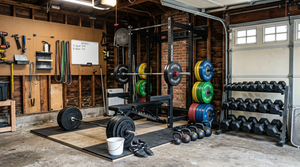

Gym weights are one of the most flexible ways to build a home training setup because they let you start small, add resistance over time and train without needing a large machine. The challenge is choosing the right mix. A useful home gym usually needs more than “a heavy pair of weights”; it needs the right combination of load range, grip style, storage, exercise variety and available floor space.
Factory Fast’s gym weights collection includes free-weight options such as dumbbells, adjustable dumbbells, kettlebells, barbells and weight plates. The best choice depends on whether you want compact all-round training, heavier compound lifts, functional movement, small incremental loading or a tidy setup that can live in a spare room, garage or apartment corner.
Start with the way you train
Before comparing products, decide what you need the weights to do. A buyer doing curls, rows, presses and lunges will often get more value from dumbbells than from a barbell-only setup. Someone focused on squats, deadlifts and bench-style training may need barbells and compatible plates. For swings, carries and fast transitions, kettlebells can make more sense than a fixed dumbbell pair.
Best for compact strength training
Adjustable dumbbells suit Australian homes where space matters. Instead of storing several fixed pairs, one adjustable set can cover multiple exercises and resistance levels. The 20KG Adjustable Dumbbell Set uses a 35cm total length, 14cm grip length and a 3cm bar diameter, with weight plates listed as 4 x 1.25kg and 4 x 2.5kg. Those details matter because handle length, plate size and grip shape all affect how natural the dumbbell feels during presses, curls and floor-based movements.
Best for heavier progressive training
Barbell training is useful when the goal is heavier two-handed lifting. A barbell setup normally needs enough floor space for the bar path, compatible plates and a suitable storage plan. It also changes the buying decision: you are no longer choosing one item, but a system of bar, plates, collars, rack or bench depending on your routine. If the buyer is not ready for that space commitment, dumbbells or kettlebells may be a cleaner first step.
Best for dynamic and functional movement
Kettlebells suit swings, carries, presses, goblet squats and rotational exercises. A set can cover several movement patterns without taking over a room. The 20KG kettlebell set includes four weights from 2kg to 8kg in 2kg increments, which makes it practical for warm-ups, technique practice and different exercise demands.
Compare the main gym weight types
Dumbbells
Dumbbells are usually the easiest starting point because they work for one-sided and two-sided movements. They also help with balanced training because each side of the body has to control its own load. Fixed dumbbells are simple to grab and use, while adjustable versions are better when storage space is limited.
Adjustable dumbbells
The main advantage of adjustable dumbbells is range. They let one product cover light, moderate and heavier exercises. Look closely at the locking style, handle texture, plate material and total length. A bulkier adjustable dumbbell may save storage space but feel less natural for some movements.
Kettlebells
Kettlebells are strong for conditioning-style strength sessions and compact home gyms. The handle, base shape and weight spread matter more than many shoppers expect. A smooth handle helps transitions, while a flat base makes the kettlebell easier to set down between sets.
Barbells and weight plates
Barbells and weight plates are best for shoppers who want heavier resistance and measured progression. Plates also let you make smaller jumps when the right increments are available. The Chrome Metric Fractional Olympic Weight Plates are listed as a 5kg set with pairs of 0.25kg, 0.5kg, 0.75kg and 1.0kg plates, with a 50mm inner diameter for Olympic sleeves.
Think about space before weight
The right gym weights should fit the home before they fit the program. A small apartment training zone may work best with adjustable dumbbells and a mat. A garage gym can usually handle a broader spread of dumbbells, kettlebells and barbell equipment. A spare room needs extra thought around storage, flooring and whether the equipment can be moved easily.
Storage is not just about neatness. It affects whether the equipment gets used. A scattered weight setup quickly becomes annoying in a shared home. The 3 Tier Dumbbell Rack is listed at 1.2m wide, 51cm deep and 88cm high, with a maximum load capacity of 500kg when evenly distributed. That kind of specification helps buyers check whether a fixed storage station will actually fit.
Choose the right load range
A useful load range covers warm-ups, working sets and future progression. Light weights can be valuable for shoulders, warm-ups and controlled technique. Moderate loads suit rows, presses, lunges and curls. Heavier weights make sense when the buyer has enough experience, space and exercise variety to use them well.
One common mistake is buying only for the hardest exercise. A weight that works for a goblet squat may be too heavy for lateral raises or higher-rep upper-body work. Another mistake is choosing only light weights and outgrowing them too quickly. Adjustable sets, mixed dumbbell pairs and small plate increments all solve that problem in different ways.
Match material and shape to the room
Rubber-coated and moulded heads can be useful in home settings because they reduce hard contact between the weight and floor. Hex shapes are helpful because they sit still when placed down, which matters for exercises that start from the floor or involve quick changes. Chrome-plated handles and textured grips are worth checking because grip comfort affects confidence during longer sessions.
The decision tree is simple: choose adjustable weights when space is tight, fixed dumbbells when speed and simplicity matter, kettlebells when movement variety is the priority, and barbell equipment when heavier progression is the goal.
Final buying advice
The strongest home gym weights setup is the one that matches your training style, not the one with the most pieces. For many Australian shoppers, the best starting point is a compact dumbbell or kettlebell setup, then adding plates, racks or barbell equipment once the routine becomes clear.
Browse the Factory Fast gym weights range with space, load range and storage in mind. That approach helps you avoid buying weights that are too awkward, too limited or too hard to keep organised in a real home training area.
 Tags:
Tags: