1300 760 441
 cs@factoryfast.com.au
School Lockers Buyer Guide: Choosing Durable Student Storage
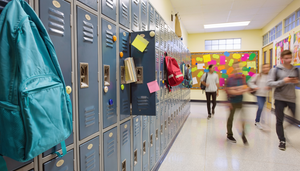

School lockers need to do more than hold bags. They have to work through repeated daily use, fit into tight corridors or storage rooms, and make it easy for students to identify their own compartment without slowing down the start or end of the day.
Factory Fast’s school lockers range includes metal locker options designed for busy education settings, with different door counts, lock types and finishes. The best choice depends on student age, storage volume, available wall space and how the lockers will be managed.
The School Locker Decision Framework
A good school locker decision starts with five questions: who will use the locker, what they will store, how often they need access, where the unit will sit, and who manages the lock process.
Who Will Use The Lockers?
Younger students may need easier access, clearer labelling and compartments at a comfortable height. Older students may need more room for bags, books, sports gear or personal items. Staff areas may need a different arrangement again, which is why staff lockers are worth considering for teacher rooms, administration zones and shared workspaces.
What Needs To Fit Inside?
Student storage can vary from small personal items to school bags and activity gear. A four-door vertical locker gives fewer users larger compartments, while a six-door unit serves more people with smaller spaces.
The 4-door vertical grey locker measures 180 x 38 x 45cm and lists inner compartments at 45 x 38 x 45cm. It suits situations where each user needs a more generous vertical space for bags or clothing.
How Often Will Students Access Them?
If lockers are accessed only at the start and end of the day, they can often sit in a dedicated storage zone. If students need access between activities, placement becomes more important. The goal is to avoid bottlenecks where open doors and waiting students block movement.
For higher-use areas, choose layouts that let multiple students access compartments at once without crowding. Wider units can help in open storage zones, while slimmer vertical models can suit tighter areas.
Compare Door Counts And Compartment Styles
School locker buying often comes down to a tradeoff between compartment size and number of users served.
Four-Door Lockers
Four-door lockers suit students who need more room per person. A vertical four-door layout is useful where bags, folders, shoes or clothing need to fit in one compartment. It can also work well for smaller classrooms, activity rooms or supervised storage areas.
The main benefit is practical storage volume. The tradeoff is that each unit serves fewer users, so you may need more units for a larger group.
Six-Door Lockers
Six-door lockers are useful when you need a balance between user count and compact footprint. The 6-door grey locker with 4-digit combination locks is listed at 1800 x 380 x 450mm, with six square compartments and an 80kg total weight capacity.
This type of unit suits shared school spaces where each student needs a secure place for everyday belongings, but not necessarily a tall compartment.
Twelve-Door Lockers
A twelve-door layout is best for high user numbers and smaller items. It can work in senior areas, visitor zones, gym change areas or short-term storage points. Because each compartment is smaller, it is not the first choice where full school bags or bulky gear are the main storage need.
Choose A Lock Type That Matches Supervision
Lock choice is a management decision as much as a product feature. Key locks are simple when lockers are permanently assigned. Combination locks can be useful when users change, but they require a process for forgotten codes and resets.
Factory Fast locker products include standard locks with two keys, padlock-operated options, and 3-digit or 4-digit combination lock variants across the range. For schools, the right option depends on who supervises the lockers and how often compartments are reassigned.
Look For Practical Daily Details
Small details often decide whether school lockers work smoothly.
Ventilated doors help airflow where bags, clothing or sports gear may be stored during the day. Label or name card holders make it easier to identify compartments. Powder-coated metal finishes are practical because lockers in school settings are handled frequently and need simple cleaning.
Flat-packed delivery and self-assembly can also matter when a school is fitting out multiple areas, because it affects how the units move through corridors, doorways and storage rooms before installation.
Plan Placement Before Quantity
Measure the full area before choosing the number of units. Include door swing, student standing space, and the path people need to use when lockers are open. A row of lockers may look fine on paper but feel crowded if it sits beside classroom doors, narrow walkways or busy bag areas.
For flexible planning, browse the broader lockers collection as well as the school category. Comparing several configurations can help decide whether a narrower six-door unit or a wider multi-compartment layout makes better use of the available space.
Common School Locker Buying Mistakes
The biggest mistake is buying too many small compartments when students need room for larger belongings. The second is choosing a lock type without deciding who handles keys, codes or lost access. The third is placing lockers where open doors create congestion.
A better approach is to map a real school day: arrival, class changes, activity sessions and departure. If the locker layout works at those pressure points, it will usually work during quieter times too.
Before ordering, mark the proposed locker run on the floor with tape and open a nearby door or cupboard to mimic clearance. That quick physical check often reveals whether students will have enough room to use the lockers without creating a daily pinch point.
Frequently Asked Questions
-
 Tags:
School Lockers
Tags:
School Lockers