1300 760 441
 cs@factoryfast.com.au
How to Build a Home Gym Weights Collection: What to Buy First and Add Next
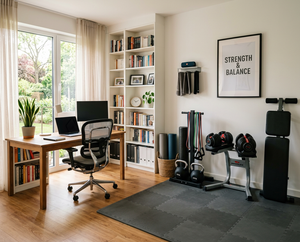

A home weights collection can become expensive, crowded and awkward to use when every purchase solves a different problem. A heavy dumbbell may suit rows but be unusable for shoulder work. A barbell may create new training options but also require compatible plates, more floor space and somewhere to store a long bar.
The better approach is to build in stages. Start with equipment that covers the movements you perform now, then add resistance or new formats when your routine creates a clear reason for them. Factory Fast’s home gym weights range includes fixed and adjustable dumbbells, kettlebells, barbells, weight plates and other resistance options for building that progression.
Plan Your Collection Around Your Actual Workouts
The first purchase should support a repeatable training routine rather than an imagined future gym. Write down the exercises you expect to perform each week and group them by movement: squat or lunge, hinge, push, pull, carry and core work.
This exposes two important details. First, different exercises usually need different loads. The weight used for a lateral raise is unlikely to suit a squat or loaded carry. Second, some movements need a pair of weights, while others work well with one dumbbell or kettlebell.
Identify Your Useful Load Range
Rather than asking for one ideal starting weight, identify a workable range. Your light end should let you complete smaller upper-body movements with control. Your heavier end should challenge larger movements without forcing you to abandon good technique.
Small load changes matter when the next available option feels too light or too heavy. Adjustable equipment and plate-loaded sets make these changes easier, while fixed dumbbells offer faster transitions between exercises.
Measure Training and Storage Space Separately
A product may fit neatly in a cupboard but still need considerably more room during use. Measure the space required for your body, the fully loaded equipment and each intended movement. A barbell also needs clearance at both ends so plates can be fitted and removed.
Plan the storage position before buying. Weights should not need to be carried through the house or left across a walkway after every session. In apartments and multipurpose rooms, a case or compact rack can be as valuable as the equipment itself.
Stage One: Choose a Versatile Starting Format
Your first stage should cover several exercises without filling the room. For many buyers, this means choosing between fixed dumbbells and an adjustable pair.
Fixed Dumbbells for Quick Weight Changes
Fixed weights are ready to lift immediately. They suit circuits, shared workout spaces and routines that alternate between exercises without stopping to change plates or collars.
The 12 kg dumbbell set with storage rack provides pairs at 1 kg, 2 kg and 3 kg. The lighter selection is suited to buyers whose routines use modest resistance across mobility work, higher-repetition exercises and smaller muscle groups. Its supplied rack also gives all six vinyl-covered dumbbells a defined storage position.
The limitation is progression. Once 3 kg per hand is no longer challenging for a movement, another pair or a different system will be required. Fixed sets therefore work best when the available loads already match several exercises in your planned routine.
Adjustable Dumbbells for Broader Progression
An adjustable design lets one pair of handles accept different plate combinations. This takes longer to change between exercises, but it offers a wider resistance range without requiring a row of separate dumbbells.
Factory Fast’s 20 kg adjustable dumbbell set with carrying case includes four 1.25 kg plates, four 2.5 kg plates, two chrome-plated bars and four threaded star collars. Its case measures 38 × 8.5 × 28.5 cm, making it a practical option for equipment that must be packed into a wardrobe or cupboard.
When comparing adjustable sets, check how much of the stated total is available on each handle. Also consider the smallest achievable load change. A broad total range is less useful when the plate combinations create jumps that are too large for your exercises.
Stage Two: Add Resistance Where Your Routine Needs It
Do not expand simply because you have used the same equipment for several weeks. Add weight when you can complete the planned repetitions consistently and the current maximum no longer provides the intended challenge.
Fill Gaps Before Buying a New Equipment Type
If adjustable dumbbells still suit your exercises, compatible plates may be the most efficient upgrade. Browse weight plates by hole diameter, plate weight, material and intended bar type.
Compatibility is non-negotiable. A 1-inch plate-loaded set and a bar designed for 50 mm Olympic plates belong to different systems. Check the bar diameter, plate opening, available sleeve length and collar type before adding anything to an existing collection.
Smaller increments can be particularly useful for upper-body exercises where a large jump changes the movement substantially. Larger plates become more relevant when progressing squats, hinges and presses.
Add a Barbell When It Unlocks Planned Exercises
A barbell is a sensible second-stage purchase when you want to train bilateral compound movements, increase total loading or use a compatible bench or rack. It is not automatically the best first purchase for a compact room because the bar, plates and exercise setup need more usable space.
The 50 kg barbell and dumbbell weight set combines a 150 cm two-part barbell, two 35 cm dumbbell bars and fourteen interchangeable plates. These include four 5 kg, six 2.5 kg and four 1.25 kg plates, all using a 1-inch fitting. The total set weight includes the bars and collars, so buyers should calculate the actual plate load available for each exercise rather than treating the headline figure as added resistance.
This type of combined package suits someone who wants both barbell and dumbbell options within one compatible system. The supplied wheeled case also addresses the storage problem created by loose plates and multiple bars.
Stage Three: Add Variety With a Defined Purpose
Once the core load range is covered, additional equipment should introduce a useful training function rather than duplicate what you already own.
A kettlebell can support offset loading, carries and movements that use a central handle. A medicine or slam ball creates different floor-based and dynamic exercise options. A weighted vest distributes resistance across the torso and leaves the hands free. Each can be valuable, but only when it appears in the routine often enough to justify its storage footprint.
This is also the point to consider whether more dumbbells and dumbbell sets would be more practical than a new format. An additional fixed pair may solve a frequent load change, while a heavier adjustable system may offer more progression without multiplying individual pieces.
Compare the Real Cost of Each Setup
Current verified examples show how widely an initial investment can vary. During research, the light fixed dumbbell set was listed at $24.95, the 20 kg adjustable set at a sale price of $76.46 and the combined 50 kg set at a sale price of $269.95. Product prices can change, so confirm the current listing before purchasing.
The cheapest starting option is not always the lowest-cost long-term path. Consider what must be added later:
- A fixed pair may require several additional pairs as strength improves.
- An adjustable set may need compatible plates and sufficient handle space.
- A barbell setup may lead to a bench, rack, floor protection and dedicated plate storage.
- A mixed collection can create duplicated loads or incompatible fittings.
Calculate cost against the exercises and load levels the equipment covers. A compact set used throughout the week may deliver better value than a larger package with components that remain in storage.
Avoid Common Home Weight Collection Mistakes
Buying Only for Your Strongest Exercise
Choosing every weight around squats, rows or carries can leave you without suitable resistance for smaller movements. Your collection needs a useful lower end as well as room to progress.
Ignoring What the Total Weight Includes
Package totals may include bars, handles and collars. Read the component list to determine how much removable plate weight is supplied and how it can be distributed across two dumbbells or a barbell.
Mixing Plate Systems Without Checking Dimensions
Similar-looking plates are not necessarily interchangeable. Confirm the fitting diameter and collar system every time you expand. Maintaining one compatible system can simplify future purchases and storage.
Underestimating Changeover Time
Spinlock and plate-loaded equipment saves space, but changing configurations interrupts fast circuits. Fixed pairs may be preferable for frequently paired exercises, even when an adjustable set remains the foundation of the collection.
Leaving Storage Until Last
Cases, racks and plate holders reduce setup friction because every component has a place. They also make it easier to see whether collars, small plates or handles are missing before a session begins.
Three Practical Collection Paths
Compact Light-Resistance Setup
Start with several fixed dumbbell pairs and a small rack. This path suits routines that use lighter loads, frequent exercise changes and limited storage. Expand by adding a carefully chosen heavier pair only when an existing exercise reaches the top of the available range.
Space-Saving Adjustable Setup
Begin with a plate-loaded dumbbell pair in a storage case. Add compatible plates when the existing load becomes insufficient, paying attention to handle capacity and the smallest possible increment. This approach suits spare rooms and apartments where equipment must be packed away after use.
Broader Barbell and Dumbbell Setup
Choose a compatible combined set when both barbell and dumbbell movements already form part of the plan. Reserve enough room for the assembled bar, include a permanent storage position for the plates and check future additions against the same fitting system.
Before placing an order, write your next eight weeks of exercises and circle the movement that will outgrow the proposed set first. That single exercise identifies whether you need a heavier starting package, smaller progression plates or a different equipment format before the collection becomes expensive to correct.
Frequently Asked Questions
How much weight should a beginner buy for a home gym?
There is no single starting total that suits every beginner. Choose enough range to cover both smaller upper-body exercises and larger lower-body movements without compromising control. A light fixed set may suit mobility and higher-repetition sessions, while adjustable dumbbells provide more progression. Check how the total weight is divided between handles, plates and collars before deciding.
Are fixed or adjustable dumbbells better for a small home gym?
Adjustable dumbbells usually provide more load options within a smaller storage footprint. Fixed dumbbells are faster to pick up and make circuit transitions easier, but several pairs require more room. The better choice depends on whether compact storage or quick weight changes matter more. A hybrid collection can use adjustable handles for progression and one frequently used fixed pair for convenience.
Should I buy dumbbells or a barbell first?
Dumbbells are usually the more flexible first purchase when space is limited or your program includes unilateral exercises. A barbell becomes more useful when planned compound lifts require greater total loading and you have room for the assembled bar. Before choosing, list the exercises you will perform immediately rather than buying equipment for a future routine that may not eventuate.
Can I add any weight plates to my existing bars?
No. Plate openings must match the bar diameter, and collars must suit the bar’s securing system. A 1-inch bar and a 50 mm Olympic plate system are not interchangeable. Also check sleeve length because compatible plates may still exceed the usable loading area. Keeping a record of your bar diameter and collar type makes later purchases much easier.
How should home weights be stored in a small room?
Use the storage supplied with the set where possible, such as a compact rack or fitted carrying case. Store bars, collars and plates together so components do not become separated between sessions. Measure the packed dimensions before buying and choose a location that does not require moving the equipment across a walkway. Heavy pieces should remain accessible without stacking them behind unrelated household items.
When is it time to add heavier weights?
Add resistance when your current maximum no longer provides the intended challenge across the planned repetitions and your movement remains controlled. First check whether a smaller compatible plate can create a useful progression step. If the existing handles have reached their practical capacity, compare a heavier adjustable system, an additional fixed pair or a barbell setup based on the exercises driving the increase.
-
 Tags:
Gym Weights
Tags:
Gym Weights