1300 760 441
 cs@factoryfast.com.au
Lockers For Hospitality And Healthcare Environments: A Practical Buying Guide
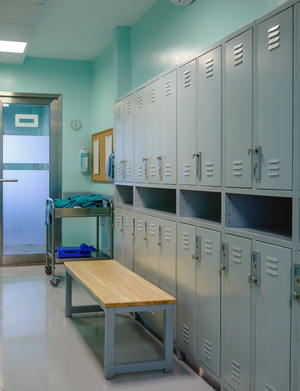

In staff-heavy environments, storage problems rarely stay hidden. Bags end up under benches, uniforms are carried between rooms, personal items sit in shared areas, and shift changes become slower than they need to be. Lockers give teams a defined place for belongings so the workspace stays clearer and more organised.
For hospitality and healthcare-style workplaces, the right locker is usually the one that handles frequent use, changing users, limited floor space and simple cleaning. Factory Fast’s lockers range includes metal, multi-compartment options that can be matched to staff rooms, change areas, back-of-house spaces and shared storage zones.
Why These Workplaces Need A Different Locker Mindset
A locker in a quiet office may only be opened twice a day. In shift-based environments, lockers can be used before work, during breaks, after activity changes and at handover. That changes the buying criteria.
You are not only choosing storage capacity. You are choosing how people move through the space, how belongings are separated, how access is managed, and how easily the unit can be kept presentable.
Start With Storage Flow
Before choosing a product, map the flow of people and items. Where do staff enter? Where do they change? Where are personal belongings currently left? Where do people collect items before leaving?
Back-Of-House Staff Areas
Back-of-house areas often need practical staff storage more than decorative furniture. The locker should be easy to access, robust enough for daily handling and sized for bags, clothing or small work items.
Factory Fast’s staff lockers category is the most natural starting point when the main use is employee belongings rather than visitor storage.
Change-Room Style Spaces
Some workplaces need lockers that behave more like change-room storage. In those settings, airflow and compartment access matter because users may store shoes, clothing or damp items for part of the day.
The gym lockers category is useful to compare because it focuses on secure storage for high-traffic fitness and change-room environments. The same selection logic can help with staff areas that see frequent movement and clothing changes.
Decide Between More Compartments Or Larger Compartments
Hospitality and healthcare-style workplaces often have a mix of storage needs. Some users only need space for a phone, wallet and small bag. Others may need room for a uniform, footwear or larger personal items.
High-Capacity Small-Item Storage
The 12-door black locker with 4-digit combination locks is built for high user numbers, with twelve lockable compartments and a listed 30kg capacity per compartment. The product page lists inner compartments at H425 x W298 x D330mm and overall locker dimensions of 180 x 90 x 36cm.
This type of layout suits teams where many people need secure storage for smaller personal belongings across shifts.
Larger Compartments For Bags And Clothing
The 2x2 door grey metal locker provides four compartments in a 2x2 layout. Factory Fast lists the overall dimensions as 180 x 76 x 45cm, with each inner compartment measuring 378 x 420 x 850mm. It also lists a 30kg weight capacity per compartment.
That larger internal space is useful where staff need to store bulkier items. The tradeoff is that each unit serves fewer users, so it works best when storage volume matters more than maximum compartment count.
Choose Locking Based On User Turnover
In environments with changing shifts or casual users, lock choice can affect daily admin. Combination locks can reduce physical key handling, while key locks can be straightforward for assigned storage.
A 4-digit combination lock is useful where the same locker may be used by different people at different times. Key locks may suit permanent staff lockers where each person has an assigned compartment and management keeps a spare.
The key question is simple: will the same person use the same locker every day? If yes, key locks can work well. If no, a combination-based approach may be easier to manage.
Look For Materials That Suit Frequent Handling
Factory Fast locker product pages commonly list cold-rolled steel, powder-coated finishes, ventilated doors and flat-packed self-assembly. These details matter in busy workplace storage areas.
Powder-coated steel suits commercial storage because it is firm, practical and easy to wipe down. Ventilated doors are helpful where staff store clothing, shoes or bags. Label holders are useful when lockers are assigned, while combination lock options are helpful when lockers rotate between users.
Plan Placement Around The Busiest Moment
A locker area should be planned around peak movement, not quiet periods. In hospitality settings, that may be before service or at shift handover. In healthcare-style workplaces, it may be at the start and end of rostered shifts.
Avoid placing lockers where open doors block a narrow walkway. Leave enough space for people to stand, open a compartment, put items away and move on. If multiple users arrive at once, wider access can matter more than saving a few centimetres of floor space.
Common Buying Mistakes
The first mistake is treating all staff belongings as small. If users need to store shoes, uniforms or larger bags, small compartments can quickly become frustrating.
The second mistake is ignoring cleaning access. A locker placed too tightly into a corner may be difficult to wipe around or move if the room layout changes.
The third mistake is selecting the lock type without a user policy. If no one owns code resets, spare keys or locker assignment, even a good locker can become a daily nuisance.
Before placing the order, choose one ordinary shift change and count the items staff bring with them. That real-world pile of bags, clothing and personal gear will tell you more about the right locker layout than the floor plan alone.
Frequently Asked Questions
-
 Tags:
lockers
Tags:
lockers