1300 760 441
 cs@factoryfast.com.au
Barbells Buyer Guide: How to Choose the Right Bar, Plates and Setup for a Home Gym
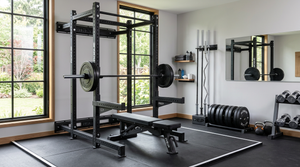

A barbell can become the centre of a home strength setup, but it is also one of the easiest pieces of gym equipment to buy poorly. The bar has to match your available space, plate type, lifting goals and supporting equipment. If those pieces do not line up, the setup becomes awkward before the first workout even starts.
Factory Fast’s barbells collection sits within the broader gym weights range, alongside dumbbells, kettlebells and weight plates. Barbells are the better choice when you want two-handed loaded movements, plate progression and a more structured home strength routine.
Start with the training space
Before comparing bars, measure the room where the barbell will live and where it will move. A full-length bar needs more than its listed length because you also need room to load plates, step around the bar and return it to the floor or rack without crowding walls.
The 20kg Olympic Barbell Rated for Powerlifting and Home Gym Training is listed at 2,200mm long with a 30mm shaft and 1,340mm between the internal sleeve flanges. That length suits a more permanent home gym setup where the bar can be used with compatible plates and rack equipment.
A compact set solves a different problem. The Weight Set Barbell Dumbbell Gym 50kg Plate includes a 150cm threaded bar in two parts, two 35cm threaded dumbbell bars, collars and plates across several weight sizes. That makes it more relevant for buyers who want a flexible starter kit rather than a full Olympic-style station.
Choose the bar type around your main lifts
Full-length Olympic-style bar
A full-length barbell is best for buyers planning squats, deadlifts, presses, rows and rack-based training. It gives a more traditional lifting feel and works naturally with a dedicated rack setup. The tradeoff is space: the bar is long, and the surrounding area needs to stay clear.
Threaded barbell set
A threaded bar with spinlock collars can suit beginners, compact spaces and buyers who want barbell and dumbbell options in one kit. The included plate selection allows smaller jumps in load, which can be useful when learning movements or sharing the set across a household. It will not feel the same as a full-length Olympic bar, but it can make sense where flexibility matters more than building a fixed strength station.
Plate compatibility and progression
A barbell is only as useful as the plates that fit it. Before buying, check whether the bar is designed for the plate style you intend to use. Then think about progression. If the smallest plate jump is too large, you may struggle to increase load gradually.
Factory Fast’s weight plates category is the natural next step once you know which bar type you are building around. For a starter set, included plates can be enough to begin. For a long-term setup, plate availability and storage become part of the buying decision.
Collars, sleeves and handling details
Collars keep plates positioned on the bar during use. Threaded bars commonly use spinlock collars, while full-length bars use sleeve designs suited to their plate type. The detail may seem small, but it affects how quickly you can change loads and how confident the setup feels during repeated sessions.
Grip diameter also matters. A 30mm shaft, as listed on the Olympic bar product page, gives a clear sense of hand feel before purchase. Buyers with smaller hands, grip-heavy programmes or high-rep accessory work should treat grip comfort as part of the decision, not an afterthought.
When to add a rack
A barbell used only from the floor can support rows, deadlifts and some presses. Once you want squats, rack pulls or bench variations, supporting equipment becomes part of the project. The squat and power racks collection is worth reviewing before you buy a full-length bar, because rack dimensions and adjustment range affect the way the barbell fits into the room.
A rack also changes the amount of space you need. Do not plan only for the footprint of the rack. Plan for the loaded bar, plate access, bench position and the path you will walk around the equipment.
Common barbell buying mistakes
The first mistake is buying a bar before deciding how it will be used. A compact starter set and a full-length barbell solve different problems, so the right one depends on your training plan.
The second mistake is overlooking storage. Plates, collars and bars all need a home. If the equipment is difficult to access, you are less likely to use it consistently.
The third mistake is mixing parts without checking compatibility. Bar, plates and collars should be chosen as one system. That is especially important if you are building gradually and plan to add more weight later.
Before adding a barbell to your cart, sketch the setup as a complete station: bar position, plate storage, rack or no rack, and the first three lifts you want to perform. If any part of that picture feels cramped or unclear, solve the room layout before choosing the bar.
Frequently Asked Questions
-
 Tags:
Barbells
Tags:
Barbells