1300 760 441
 cs@factoryfast.com.au
Yoga Mats Buyer Guide: How to Choose Thickness, Grip and Material for Home Practice
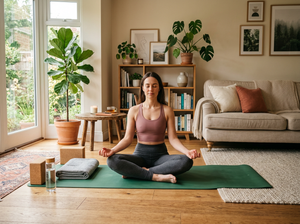

A yoga mat looks simple until you use the wrong one. Too thin, and kneeling work feels harsh. Too slippery, and standing poses become distracting. Too hard to clean, and the mat starts living in the corner instead of supporting your routine.
Factory Fast’s yoga and Pilates mats range includes TPE and cork options for stretching, Pilates, yoga and general home fitness, so the best choice comes down to thickness, surface feel, material and how often you plan to move it.
Compare Thickness First
Thicker mats for cushioning
A thicker mat is useful for kneeling, seated stretching, floor Pilates and longer sessions where wrists, knees or hips need extra comfort. The 8 mm TPE yoga mat measures 183 x 61 x 0.8 cm, weighs 1.5 kg and includes a dual-layer construction for cushioning and control.
Slimmer mats for closer floor feel
A thinner surface can feel more grounded during balance-focused work. The natural cork TPE yoga mat measures 183 x 61 x 0.5 cm, which may suit buyers who want a firmer surface with less bulk.
The practical rule
Choose thicker if comfort is the main concern. Choose slimmer if you want a more connected feel during standing work and do not need as much padding.
Match Material to How You Train
TPE for everyday home workouts
TPE is a practical choice for buyers who want cushioning, moisture resistance and easy cleaning. The 8 mm option is latex-free, rubber-free, biodegradable and includes alignment lines, which can help with hand and foot placement during repeated movements.
Cork for absorbency and natural texture
Cork suits buyers who want a breathable, absorbent surface with a different grip feel. The cork and TPE mat is listed with natural cork, a tan and black finish, antimicrobial properties and a shock-absorbing surface.
Think about cleaning from the start
A mat used for yoga, Pilates and general exercise needs to be easy to reset. If you train frequently, choose a surface you can wipe down without fuss so the mat is ready for the next session.
Choose Grip for the Movements You Actually Do
Standing poses and transitions
If your routine includes downward-facing positions, lunges, balance work or flowing transitions, grip should be a priority. A slippery mat can interrupt the session because you spend more time adjusting than moving.
Pilates and floor strength
For Pilates, grip still matters, but cushioning and support often matter just as much. A stable mat helps during roll-downs, bridges, planks and controlled core work.
Stretching and mobility
If the mat is mainly for stretching, you can prioritise comfort, width and cleaning. Add mobility accessories from the broader yoga and Pilates equipment range only when they solve a specific need.
Do You Need a Yoga Mat or a Pilates Mat?
When one mat can do both
Many home users can choose one quality exercise mat for yoga, Pilates and stretching. A 183 x 61 cm mat gives a practical surface for most floor-based routines, and the right thickness helps it cross between different styles of movement.
When to specialise
If you do mostly balance-focused yoga, you may prefer a firmer surface. If you do mostly Pilates, kneeling work or floor strength, a thicker cushioned mat can feel better over time.
When to add recovery gear
If your sessions include mobility or post-workout release, browse foam rollers after choosing the mat. Recovery gear works best when the main exercise surface is already comfortable and stable.
Portability and Storage
Weight and carry feel
A 1.5 kg mat is portable enough for most home users and easy to move between rooms. If you plan to take a mat outside the home, check weight and roll size before choosing purely by colour or thickness.
Wall storage for multiple mats
Households with more than one mat can quickly run out of cupboard space. The wall yoga mat gym storage rack weighs about 3.4 kg, uses steel and iron construction, and has an 80 cm pole width with 24 cm hooks for keeping mats and rollers organised.
Keep the mat visible
A mat that is easy to access gets used more often. If you tuck it behind furniture, you add friction to every session before the first stretch even starts.
Common Yoga Mat Buying Mistakes
Choosing by colour only
Colour matters if the mat lives in a visible room, but comfort, grip and cleaning are more important for long-term use.
Ignoring thickness
A mat that feels fine for a short stretch may feel too firm during Pilates or kneeling work. Match thickness to the movements you repeat most.
Forgetting the room surface
A mat behaves differently on timber, tile, carpet or rubber flooring. If your floor is firm, extra cushioning may matter more. If the floor is soft, a firmer mat can feel more stable.
Which Yoga Mat Should You Choose?
Choose an 8 mm TPE mat if you want cushioning, moisture resistance, alignment support and an easy everyday surface for yoga, Pilates and floor exercise. Choose a cork and TPE mat if you prefer a firmer 0.5 cm profile, natural texture and absorbent feel for longer sessions.
Before you buy, practise the exact movement that usually bothers you most, whether that is kneeling, planking or balancing. The right yoga and Pilates mat should solve that specific discomfort, not just look good when it is rolled up.
 Tags:
Tags: