1300 760 441
 cs@factoryfast.com.au
Kettlebells Buyer Guide: How to Choose the Right Weight, Set and Style for Home Training
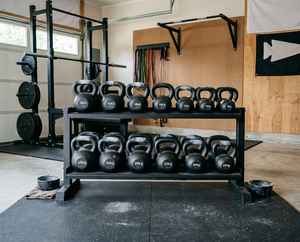

A kettlebell looks simple, but buying the right one is not just a matter of choosing the heaviest weight you can lift. The right choice depends on how you train, how much room you have, whether you want one versatile bell or a stepped set, and whether grip comfort matters more than compact storage.
For Australian home gyms, kettlebells are useful because they support strength work, conditioning, core training and compact full-body sessions without needing a large equipment footprint. If you are building your first setup, they sit naturally beside home gym weights such as dumbbells, barbells and weight plates, but they solve a different training problem: moving a load through swings, carries, squats, presses and rotational patterns.
What makes kettlebells different from dumbbells?
Dumbbells are usually easier to control for straight-line movements such as curls, rows and presses. Kettlebells place the load below the handle, which changes how the weight moves through your hand, shoulder and core. That offset shape is why kettlebells suit swings, goblet squats, carries, cleans and other movements where control and timing matter.
This does not mean kettlebells replace every other weight. They work best when you want a compact tool for repeated movement patterns, grip involvement and full-body sessions. If your goal is mostly bench pressing, heavy bilateral lifting or plate-loaded strength work, barbells may suit better. If your goal is simple, adjustable resistance for many isolated movements, dumbbells may be easier to start with.
How to choose the right kettlebell weight
The best kettlebell weight is the one you can control through the full movement, not just lift once. A bell that feels manageable for a deadlift may be too heavy for a press, clean or controlled high-repetition set.
Start with the exercise, then choose the weight
For warm-ups, technique practice and smaller movement patterns, lighter bells give you room to learn without rushing. The 4pcs Exercise Kettle Bell Weight Set 20KG includes 2kg, 4kg, 6kg and 8kg bells, with product dimensions from 14cm x 15cm for the 2kg bell through to 23cm x 25cm for the 8kg bell. That kind of spread suits households where more than one person may train, or where you want gradual progression across different exercises.
For buyers who already know they want a heavier single bell, a 16kg option changes the role of the equipment. The 16kg Concrete Kettlebell Weight for Strength Training and Home Gym Workouts is listed with PE and concrete filling, a 26cm x 31cm size and an oversized handle. That makes it a more focused choice for people who already have confidence with heavier kettlebell movements.
Think in weight gaps, not just total kilograms
A set with smaller jumps lets you match the bell to the movement. Squats and carries may handle more load than presses or controlled technique drills. If the gap between bells is too large, you may end up avoiding exercises that sit between your available weights.
For more structured progression, the 8KG, 12KG, 16KG Pro-Grade Steel KettleBell Set gives three distinct training levels. The product page lists steel construction and slimmer handles, which can matter if you are doing repeated sets where grip fatigue becomes part of the buying decision.
Material and handle design matter more than many buyers expect
Kettlebell comfort is mostly about the handle. A wider handle can make two-handed movements easier, while a slimmer handle may feel better for repeated single-hand work. Handle shape also affects how the bell sits during cleans, presses and rack-position movements.
Material changes the feel, footprint and finish. Steel kettlebells can appeal to buyers who want a more traditional training feel and a clean progression set. Concrete-filled options can suit shoppers looking for a practical home gym bell at an accessible price point. The best choice is not the most premium-looking one; it is the one that matches how you will actually train.
Single kettlebell, weight set or full progression set?
Choose a single kettlebell if you know your target weight
A single bell makes sense when you already know what you need. It keeps storage simple and avoids paying for weights you will not use. The tradeoff is that it can limit exercise variety, especially if the same weight is too heavy for presses but too light for lower-body work.
Choose a lighter set if technique and variety matter
A small spread of kettlebells is useful when you are learning, sharing equipment or training different movements in the same session. A lighter weight set can cover warm-ups, controlled squats, carries and accessory work without forcing one bell to do every job.
Choose a steel progression set if you want a more deliberate setup
An 8kg, 12kg and 16kg spread suits buyers who want clearer training steps. It is less flexible at the very light end than a 2kg to 8kg set, but it gives more room for strength-focused home training once basic movement confidence is already there.
Common kettlebell buying mistakes
The first mistake is buying too heavy because the bell feels impressive. Kettlebell training often uses momentum, repeated reps and one-handed control, so a heavy bell can reduce exercise quality quickly.
The second mistake is ignoring handle comfort. If the handle feels wrong for your hand size or movement style, you may use the bell less often even if the weight is right.
The third mistake is choosing a set without thinking about storage. Kettlebells are compact, but multiple bells still need a stable floor area where they will not interrupt normal household movement.
The most useful buying question is this: which movement do you want to make easier to train every week? If the answer is swings and carries, prioritise handle feel and a weight you can control. If the answer is varied home sessions, choose a set with enough steps that you can move between technique, strength and conditioning without changing the whole room around.
Frequently Asked Questions
-
 Tags:
Kettlebells
Tags:
Kettlebells