1300 760 441
 cs@factoryfast.com.au
Wardrobe Storage Solutions for Renters: How to Choose Flexible Clothes Storage
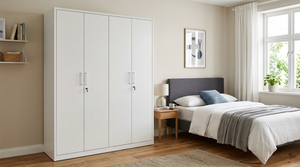

A rental bedroom can have plenty of floor area yet still be frustratingly short on usable clothes storage. The built-in robe may be narrow, poorly divided or missing altogether. At the same time, permanent cabinetry and major wall alterations may not suit the lease or make sense when another move is likely.
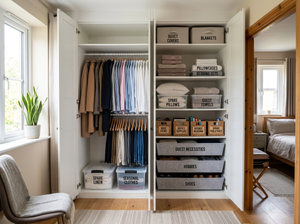
The answer is to treat wardrobe storage as a movable system rather than a fixed piece of the room. Freestanding rails, covered portable closets, modular cubes and compact containers can each solve a different part of the problem. The best setup depends on what you own, how much space is available and how easily the system needs to move with you.
This guide explains how to compare wardrobe and closet organisers, calculate the space you need and avoid buying a unit that simply creates a different kind of clutter.
Why Wardrobe Storage Is Different in a Rental
Renters need storage that works in the current room without becoming a burden during the next move. That changes the buying priorities. Portability, assembly method and footprint can matter as much as appearance.
The room may not support permanent alterations
Built-in shelves and wall-mounted rails can use space efficiently, but they may require drilling or other changes to the property. Before choosing any system that attaches to a wall, check the lease conditions and obtain the necessary approval.
A freestanding product reduces the amount of installation involved, although tall furniture may still have specific securing requirements. Review the exact product instructions before assuming that a unit can be used without any wall attachment.
The next bedroom could be a different shape
A wide wardrobe that fits one room perfectly may block a doorway or overwhelm a smaller bedroom later. Renters who move regularly generally gain more flexibility from units that can be dismantled, separated into modules or assigned to another purpose.
A clothes rail might later serve in a laundry or spare room. Cube storage can move from clothing to books or household supplies. That second use gives the product value beyond the current lease.
Start With the Clothes You Actually Need to Store
Buying by room size alone often produces the wrong mix of storage. Begin with the contents. Separate everything into hanging garments, folded clothing, shoes, bags, accessories and seasonal items.
Divide hanging garments by length
Short items such as shirts, skirts and folded trousers can use a double-rail layout efficiently. Long dresses and coats need an uninterrupted drop from the rail. A rack with two full-width rails may offer more hanging room, but it can be inconvenient if much of your wardrobe is full length.
Count bulky garments separately. Several winter coats place different demands on a rail than the same number of lightweight shirts. Where a product has a stated load capacity, treat that figure as a limit for the complete distributed load rather than a target to exceed in one crowded section.
Separate folded items by frequency of use
Everyday T-shirts, activewear and sleepwear should be easy to reach. Occasion clothing and out-of-season garments can occupy lower, higher or less accessible positions.
This distinction helps determine whether you need open shelves, enclosed cubes or storage boxes. It also prevents frequently used garments from disappearing beneath items that are only needed a few times each year.
Give shoes and accessories their own zones
Shoes placed beneath hanging clothes can use otherwise empty space, but they need enough clearance to avoid catching longer garments. Bags benefit from shelves that preserve their shape, while belts, scarves and small accessories are easier to manage in compact containers.
The goal is not to fit every possession into one piece of furniture. It is to give each category a defined home so the system remains usable after the initial tidy-up.
Measure the Room Before Comparing Products
A product dimension is only useful when it is compared with the exact part of the room where the unit will stand. Measure the width, depth and available height, then note nearby doors, windows, power points, skirting boards and existing furniture.
Check the full working footprint
The listed width and depth describe the product itself, not the clearance needed to use it. Allow room to walk past the unit, remove a storage box and reach garments at each end of a rail.
Depth deserves particular attention in a narrow rental bedroom. An open rail can project further into a walkway once hangers and garment sleeves are added. A covered portable wardrobe also needs enough access for its front opening to be used comfortably.
If the only available position is beside a hinged door, measure the door arc. A storage unit that fits against the wall may still prevent the door from opening fully.
Match the height to practical reach
Tall storage makes use of vertical space, but the highest section should be reserved for light or occasional items if it cannot be reached comfortably. Frequently used clothing belongs between waist and shoulder height wherever possible.
Also check ceiling fans, curtain movement and overhead shelves. The tallest unit is not automatically the most efficient choice if its upper section is difficult to use.
Measure the route into the room
Consider doorways, hallways, stairs and lifts before choosing a large assembled unit. Flat-pack and take-down designs are useful because their components can be carried separately. Record the dimensions before ordering so you can compare the product with both its final location and the route required to reach it.
Compare the Main Renter-Friendly Wardrobe Options
Different storage formats solve different problems. Choosing one by appearance alone can leave you with plenty of shelving but nowhere for work shirts, or abundant hanging space with no place for folded clothes.
Freestanding rails suit hanging-heavy wardrobes
An open clothes rail provides immediate access and keeps outfits visible. It suits renters with many shirts, jackets, skirts or trousers and relatively few items that need drawers. Browse freestanding clothes racks and stands according to rail configuration, shelf space, dimensions and stated load.
One current option is a double-rail clothing rack with a lower storage shelf. It measures 110 x 54 x 150 cm and has a stated total capacity of 30 kg. The two rails divide hanging garments, while the bottom shelf can hold shoes or boxes. Its metal frame uses 18 mm pipe, and the unit can be disassembled when storage requirements change.
The tradeoff is exposure. Open rails display everything in the room and do not provide a barrier between clothing and general household dust. They work best when garments are edited regularly and hangers are kept reasonably consistent.
Covered portable wardrobes combine hanging and shelves
A fabric-covered wardrobe is useful when the room lacks built-ins and the renter wants clothing concealed. It can combine folded and hanging storage without the bulk of rigid cabinetry.
The portable clothes closet with eight shelves and two hanging sections measures 165 x 128 x 45 cm. Its non-woven polyester canvas cover sits over a reinforced metal-pipe frame joined with PP ferrules. The mix of shelves and hanging areas suits renters who want one main clothing station rather than several separate organisers.
At 128 cm wide, it requires a substantial stretch of clear wall. Measure carefully before choosing this format, especially in a room where a bed or desk already limits circulation. Assembly is also required, so retain the instructions and keep every connector together for future moves.
Modular cubes suit folded clothing and changing layouts
Cube organisers divide folded items into visible categories. They are particularly useful for knitwear, T-shirts, bags and smaller boxes. Because the sections are modular, some systems can be configured around the available wall rather than forcing one fixed cabinet shape.
A current 12-cube wire grid organiser assembles to 110 x 36 x 148 cm. Each cube measures 35 x 35 x 35 cm and has a stated maximum load of 9.9 kg. The iron wire mesh panels connect with ABS fittings, allowing the structure to be taken apart when moving.
Open wire cubes are less suited to small loose items unless they are paired with compatible containers. They also do not replace a hanging rail, so they work best as the folded-storage component of a broader system.
Smaller containers handle gaps and seasonal overflow
Under-bed boxes, foldable bins and compression bags can use spaces that would otherwise remain empty. They are best for bedding, seasonal clothing and items that do not need daily access.
Measure the available height beneath the bed rather than assuming a container will slide underneath. Include wheels, centre supports and any low sections of the frame in that calculation. For a coordinated setup, the broader storage and organisation range can help fill specific gaps without adding another full-size wardrobe.
Choose Materials and Capacity for the Contents
Storage failures often begin with a mismatch between the construction and the load. Heavy garments, stacked shoes and dense boxes can place considerable pressure on rails, shelves and connectors.
Metal frames suit regular hanging loads
Metal rails are a practical choice for garments used every day. Compare the stated capacity, pipe dimensions, joint design and frame width. A wide rail needs adequate structural support, particularly when heavy clothing is spread along its full length.
Load garments evenly instead of concentrating coats at one end. Keep the heaviest boxes on the lowest appropriate shelf so the setup is easier to use and move.
Fabric covers reduce visual clutter
Canvas and other fabric-covered systems make a bedroom appear calmer because clothing is hidden behind a consistent exterior. They can also separate stored garments from normal room exposure.
Check what the cover is made from, how it opens and whether individual sections remain accessible. A cover that must be completely moved whenever one shirt is needed may become inconvenient in daily use.
Modular connectors favour flexibility
Wire-grid and panel systems are attractive to renters because they can be dismantled into manageable pieces. Their strength depends on correct assembly, firmly seated connectors and compliance with the stated capacity for each compartment.
Plan what will occupy every cube before building the final shape. Dense objects should not be placed into a compartment simply because they fit physically; size and supported load are separate considerations.
Organise the System Around Daily Routines
A storage unit only works when its layout reflects how clothing moves through the week. Arrange the space by use rather than by colour or appearance alone.
Create a daily dressing zone
Place the most frequently worn garments, shoes and accessories within easy reach of one another. Workwear might occupy one rail, casual clothing another and everyday shoes the shelf below.
Keep a small amount of unused capacity. A rail packed tightly from end to end makes garments harder to remove, while shelves filled to their top edge encourage unstable piles.
Keep clean, worn and laundry-bound clothing separate
A common source of bedroom clutter is clothing that has been worn but is not ready for washing. Give these items a specific hook, basket or small rail section instead of returning them to clean storage or leaving them on a chair.
Position the laundry basket near the exit from the room if that matches the route to the laundry. Small adjustments to placement can prevent clothing from accumulating between storage areas.
Rotate seasonal items intentionally
Australian weather can require several clothing weights across the year, but every garment does not need prime wardrobe space at once. Move off-season items into labelled containers, then review them when the season changes.
Avoid sealing damp or recently worn garments into covered storage. Clothing should be clean and dry before it is packed away.
Plan for the Next Move Before You Buy
Moving suitability is more than whether a product is described as portable. Consider how long disassembly takes, how many small parts are involved and whether the original configuration can be rebuilt accurately.
Keep instructions, tools and spare connectors in a labelled bag attached to the unit or stored in a dedicated moving box. Photograph the assembled frame and key joints before taking it apart. This provides a practical reference when printed instructions are misplaced or the next room requires a slightly different arrangement.
Measure the longest component after disassembly. A unit may pack flat but still contain rails that are difficult to carry through a stairwell or fit inside a vehicle. Modular cubes usually break into smaller panels, while clothes racks may retain longer horizontal bars.
For shared rentals, decide who owns each storage piece before combining several housemates’ belongings in one system. Clear ownership makes the eventual move simpler and prevents a useful setup from depending on components that leave with someone else.
Wardrobe Storage Mistakes That Cost Renters Space
The first mistake is buying a single oversized unit before sorting the contents. A broad portable wardrobe may dominate a small bedroom even when the renter mainly needs one rail and a few boxes.
The second is ignoring product depth. Garments add usable depth beyond an open frame, while handles and covers need access space. Always evaluate the occupied footprint rather than the bare structure alone.
Another mistake is choosing only for capacity. Storage also needs access. Deep piles, unreachable top shelves and overloaded rails may technically hold more, but they make the wardrobe harder to maintain.
Renters should also avoid treating “freestanding” as proof that no further installation instructions apply. Check the product information, the lease and the room surface before assembly. If a unit requires securing, resolve that requirement with the property owner or manager before purchase.
Finally, do not discard packaging details, instructions or assembly tools immediately. A system that is easy to dismantle becomes much less convenient when its connectors are lost during a move.
A Practical Buying Order for Rental Wardrobe Storage
Start with the largest unmet need. If hanging garments are the main problem, choose the rail or covered wardrobe first. If folded clothing is consuming the room, establish modular shelves or cubes before adding smaller accessories.
Next, fill only the remaining gaps. Add shoe storage, under-bed containers or accessory organisers after the main unit is installed and loaded. This prevents duplicate storage and shows whether the original measurements reflected the real volume of clothing.
Before placing the order, mark the proposed product footprint on the floor with removable painter’s tape. Add the depth of hanging garments, then walk through the room carrying a laundry basket and open every nearby door. This quick physical test can reveal a blocked pathway or awkward corner that a written room measurement does not show.
Frequently Asked Questions
Can renters add wardrobe storage without drilling into walls?
Yes. Open clothes rails, portable fabric wardrobes and modular floor-standing organisers can provide useful storage without built-in cabinetry. However, freestanding does not always mean that no securing method is required. Check the exact assembly instructions and your lease before buying. If the product requires wall attachment, obtain permission and confirm that the proposed wall position is suitable before installation.
How much hanging space do I need for my clothes?
Sort and count your hanging garments before selecting a rail. Separate short items from dresses and coats, then allow enough room for hangers to move without being compressed together. A double rail suits a collection dominated by shirts, skirts and folded trousers, while long clothing needs a clear full-height section. Check the stated capacity as well as the available rail length.
Is an open clothes rack or covered portable wardrobe better?
An open rack is convenient when visibility, quick access and a smaller frame are priorities. A covered portable wardrobe suits renters who want garments concealed and need both shelves and hanging sections. The right option depends on clothing type, available wall width and tolerance for visible storage. Measure the complete usable depth, including hangers or the opened cover, before deciding.
How can I keep an open wardrobe from making the bedroom look cluttered?
Limit the rail to regularly worn clothing and move seasonal garments into labelled containers. Group similar garment lengths together, keep the lower shelf organised and avoid filling every centimetre of rail space. A consistent arrangement makes individual items easier to find. Smaller accessories should have their own bins or compartments rather than being placed loosely across shelves or on the floor.
Which wardrobe storage is easiest to take to a new rental?
Systems that dismantle into small, clearly identified components are generally easier to move. Modular cubes, take-down clothes rails and portable fabric wardrobes can all work, but compare the longest component, total number of parts and reassembly process. Keep connectors, tools and instructions in a labelled bag. A photograph of the completed frame can also make rebuilding it in the next bedroom easier.
Can shoes and clothing share the same portable wardrobe?
Yes, provided each category has a defined area and the total load remains within the product’s specifications. Shoes usually work best on a lower shelf or in individual cubes, away from long garments. Clean and dry footwear before placing it near clothing, and avoid stacking shoes so high that they obstruct access. Separate containers can help protect folded garments from dirt and loose accessories.
 Tags: