1300 760 441
 cs@factoryfast.com.au
Squat Racks And Power Racks Buyer Guide: How To Choose The Right Strength Setup
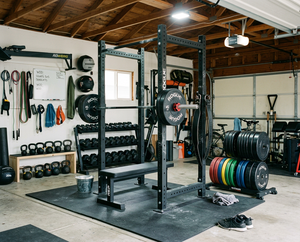

A squat rack is not just a place to hold a barbell. It decides how easily you can set your start height, whether you can add bench press work, how much room you need and how confidently your home gym can grow over time.
Factory Fast’s squat and power racks range covers compact adjustable stands and larger cage-style setups, so the right choice depends on how you train, how much space you have and whether you want the rack to support only the main barbell lifts or a wider set of exercises.
Squat Rack Or Power Rack: What Is The Real Difference?
A squat rack usually gives you adjustable barbell support with a smaller footprint. It suits buyers who want to squat, press and pair the rack with a bench while keeping the setup more open and compact.
A power rack or cage generally takes more space but gives a more enclosed structure, often with more attachment points or exercise options. It is better suited to buyers who want heavier barbell progression, pull-up options or cable-style functions in one strength station.
When A Compact Squat Rack Makes Sense
A compact rack is best when space is limited or when the buyer wants a flexible barbell setup without committing to a large cage. The Adjustable Squat Rack Pair Steel Barbell Stands uses steel tubing, solid H-frame bases and rubber end caps, with a rack footprint of 50 x 50 cm and height adjustment from 103 to 165 cm. Its listed load capacity is 200 kg.
This type of rack suits squats, overhead pressing and bench press setups when paired with a compatible bench. It is also easier to place in a mixed-use room because each stand can be positioned around the barbell and bench setup.
What To Check Before Choosing Compact Stands
Look at the adjustment range, base width and stated load capacity. The rack needs to suit the lifter’s starting height and the exercises planned. Buyers should also think about how much room is needed behind and beside the stands so the bar can be loaded comfortably.
When A Power Rack Is The Better Buy
A larger rack is more appropriate when the buyer wants a fixed strength zone. The Power Rack Squat Cage with Lat Pulldown is built from heavy-gauge steel and includes adjustable band pegs, a multi-grip chin-up bar, a multi-grip push-up bar, four adjustable barbell hooks and two barbell safeties.
Its rack dimensions are 210 x 126 x 115 cm without band pegs or dip handles, and 210 x 213 x 160 cm with those additions. The listed load capacity is 272 kg for the barbell hooks, 363 kg for the barbell safeties and 363 kg for the high and low pulleys.
Why The Footprint Matters
A power rack needs a dedicated area. Measure height, width and depth, then add space for the barbell sleeves, plate loading and bench movement. If the rack includes pulleys or handles, account for the full working footprint rather than only the frame size.
Bench Press Compatibility Is A Key Buying Point
Many buyers choose a rack because they want both squats and bench press options. Factory Fast notes that many squat rack and power rack models use adjustable J-hooks and safety bars positioned to support barbell bench pressing, but buyers still need to verify the specific model suits horizontal pressing.
This is where weight and workout benches become part of the rack decision. A bench must fit between the uprights, align with the hook height and leave enough room for setup and re-racking.
Compare Load Capacity With Your Real Training Plan
Load capacity matters because racks carry the barbell and any weight added to it. Beginners should still buy for progression, especially if the rack will become the centre of the home gym. A light user may not need a large cage immediately, but buying too small can limit the setup sooner than expected.
Compare the load ratings for hooks, catches, pulleys and attachments separately. These ratings do different jobs. A hook rating tells you what the bar support can hold, while a pulley load rating is relevant only for cable-style exercises.
Decide Whether You Need Attachments
Some buyers only need a simple barbell support. Others want pull-up grips, pulleys, dip handles or band peg options. If accessories matter, a power rack may be a better long-term platform than compact stands.
If the goal is broader full-body equipment rather than barbell training, it is also worth comparing gym stations. A station can suit guided training better, while a rack suits buyers who prefer barbell movement and free-weight progression.
The Best Rack For Different Buyers
Choose compact adjustable stands if you are building a smaller home gym, want flexible placement and mainly need squat and bench support. Choose a power rack if you have a dedicated training area, want more attachment options and plan to make the rack the main strength station.
Before buying any rack from the broader home fitness equipment range, place a bench-sized object in the planned rack area and rehearse where the barbell would sit. If the room only works when everything is perfectly centred, choose the smaller rack style or rework the layout before committing to a cage.
Frequently Asked Questions
-
 Tags:
Squat and Power Racks
Tags:
Squat and Power Racks