1300 760 441
 cs@factoryfast.com.au
Kitchen Splashbacks Buyer Guide: Glass, Size, Colour and Cleaning Tips
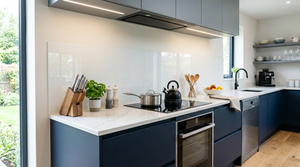

A kitchen splashback has two jobs: protect the wall and shape how the kitchen feels. It catches cooking splatter, moisture and everyday marks, but it also sits directly behind the sink or cooktop where the eye naturally lands. That makes the buying decision both practical and visual.
Factory Fast’s kitchen splashbacks include glass options in black and white, with standard sizes for common kitchen layouts. To choose well, work through placement, panel size, colour, cleaning and how the splashback will sit beside the sink and tap.
Plan the Splashback by Kitchen Zone
Start by deciding where the splashback needs to work hardest. Behind a cooktop, heat resistance and easy wiping matter most. Behind a sink, moisture, soap marks and splash coverage become the priority. Along a prep bench, the splashback may be more about stain resistance and visual continuity.
A single panel can make cleaning simpler because there are fewer joins. Separate panels can work better when the kitchen has interrupted wall sections, power points or changes in bench height. The most useful question is not “what colour do I like?” but “which wall area gets marked most often?”
Glass Splashbacks: Why They Suit Busy Kitchens
A glass kitchen splashback gives a smooth, low-maintenance surface with a clean modern look. Factory Fast product pages list 6mm thick glass panels, and the collection describes toughened glass splashbacks as heat resistant, moisture resistant and easy to wipe clean.
Glass is especially useful where grout lines would be hard to maintain. Instead of scrubbing small joints, you can wipe the panel surface after cooking or washing up. That makes it a practical choice for households that want a tidier wall zone without turning cleaning into a separate project.
Choosing the Right Splashback Size
Size should follow the wall area you need to protect, not just the empty space available. Measure the width first, then the height from the benchtop to the overhead cabinet, rangehood or visual stopping point.
Factory Fast splashback options include 600 x 700mm, 600 x 750mm, 900 x 700mm and 900 x 750mm sizes across listed variants. A wider 900mm panel can suit a broader cooktop or statement area, while a 600mm panel can be more practical for a smaller wall section or narrower feature zone.
If your measurement sits between two options, think about where splashes actually land. A slightly taller panel may be more useful behind active cooking zones, while a shorter panel can suit a sink or prep area where wall protection is still needed but heat exposure is not the main issue.
Black Kitchen Splashbacks: Best for Contrast
A black kitchen splashback creates a strong focal point. It can ground white cabinets, sharpen stainless steel finishes and make a kitchen feel more deliberate. It is especially effective when paired with black tapware, dark cabinet handles or a black sink.
The 90 x 75cm black glass splashback is listed as a 6mm thick glass panel with a 900 x 750mm size and black finish. That makes it a useful option when the splashback is intended to be a visible design feature rather than a background surface.
Use black when you want contrast and depth. If the kitchen already has limited light, balance it with lighter benchtops, reflective fittings or careful kitchen lighting.
White Kitchen Splashbacks: Best for Brightness
A white glass splashback can make the wall feel cleaner and lighter, particularly in compact kitchens or spaces with darker cabinetry. It tends to blend more quietly than black, which makes it useful when the sink, tap or cabinet hardware should take the visual lead.
The 90 x 70cm white glass splashback is listed in a 900 x 700mm size with 6mm thick glass. It suits buyers who want wall protection without making the splashback the dominant design element.
Choose white if the kitchen needs brightness, visual calm or an easy backdrop for mixed finishes.
Coordinate Splashbacks with Sinks and Taps
The splashback sits in the same visual zone as the sink and tap, so those choices should be planned together. A black panel behind a chrome tap creates contrast. A white panel behind a black mixer makes the tap stand out. A stainless steel sink can work with either, depending on the surrounding cabinet and benchtop colours.
If you are upgrading the wet zone, review kitchen sinks and kitchen taps before finalising the splashback colour. The goal is not perfect matching. It is making sure the main finishes look intentional from one end of the bench to the other.
Installation Surface and Preparation
Factory Fast product pages note that glass splashbacks can be fixed to non-porous, dust-free and grease-free surfaces. That surface detail matters. A panel can only sit neatly if the wall behind it is prepared properly, with old residue, grease and loose material removed.
For renovation planning, check the wall condition before choosing the panel. If the surface is uneven or interrupted by fittings, you may need extra preparation before the splashback goes up. This is where measuring alone is not enough; the wall must also be suitable for the finish.
Cleaning and Care
The cleaning advantage of glass is the smooth surface. Wipe splashes before grease hardens, use gentle cleaning methods and avoid abrasive tools that can mark the finish. Around edges, pay attention to joins where moisture and cooking residue can collect.
For black glass, regular wiping helps keep smudges from standing out. For white glass, quick cleaning prevents cooking marks from dulling the bright finish. The right colour is the one you are happy to maintain in the kitchen conditions you have.
Common Splashback Buying Mistakes
The biggest mistake is choosing colour before placement. A splashback behind a cooktop has different demands from one behind a sink. Another mistake is buying a panel that looks right online but does not cover the actual splash area.
The third mistake is treating the splashback as a separate decoration. It should be chosen with tap finish, sink material, bench colour and lighting in mind. When those elements work together, even a simple panel can make the kitchen feel more resolved.
Final Buying Thought
Before choosing between black and white, look at the kitchen at night with the main lights on. Splashbacks reflect the lighting they receive, so the panel that looks subtle in daylight may become the strongest surface in the room after dark.
Frequently Asked Questions
-
 Tags:
Kitchen Splashbacks
Tags:
Kitchen Splashbacks