1300 760 441
 cs@factoryfast.com.au
Gym Lockers Buyer Guide: Choosing Secure Storage for Fitness Centres and Change Rooms
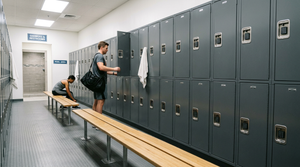

Gym lockers have to work harder than ordinary storage. Members arrive carrying phones, wallets, keys, shoes, clothes, towels, bottles and training gear. Some need a compact place for valuables. Others need a compartment that can take a gym bag and spare clothing. In busy fitness spaces, the right locker setup keeps belongings out of training zones and helps change rooms feel organised.
Factory Fast’s gym lockers include metal options with ventilated doors, powder-coated finishes, multiple compartment layouts and different locking mechanisms. The best choice depends on the way people use the space.
Start With the Gym Use Case
A gym locker purchase should begin with the type of user flow you need to support. A large change room, small studio, staff area and reception storage zone all need different locker layouts.
If members arrive with full bags and shoes, choose larger compartments. If they only need somewhere for valuables during a class, high-density storage may be enough. If trainers or staff need to store uniforms, cleaning items or personal gear, taller compartments may be more useful than compact cubbies.
For Change Rooms: Prioritise Ventilation and Bag Space
Change-room lockers need enough room for clothing, shoes and bags. Ventilation also matters because users may store damp towels or training gear for short periods.
A four-compartment locker can be a practical choice for this setting. The 2x2 door black metal locker with padlock-operated access measures 180 x 76 x 45 cm overall, with each inner compartment measuring 378 x 420 x 850 mm. Each compartment supports 30 kg and includes a ventilated door.
This format gives members more space than a small valuables locker while still serving multiple users in one unit. It is a useful middle ground for compact change rooms where full-height lockers would reduce capacity too much.
For Valuables: Choose High-Density Compartments
Some gym areas do not need large bag storage. A reception zone, open training area or class studio may only need lockable compartments for phones, keys, wallets and small personal items.
A 12-door locker can serve this use case well. The 12-door steel locker with 3-digit combination locks has inner compartments of H425 x W298 x D330 mm and overall dimensions of 180 x 90 x 36 cm. Each compartment supports 30 kg.
This style is best when member count and compact storage matter more than bag-sized compartments. It can also help keep valuables away from benches, windowsills and gym-floor equipment.
For Staff and Trainers: Consider Taller Storage
Gym staff and trainers may need storage that differs from member lockers. They may carry spare clothing, uniforms, towels, admin items, shoes or personal bags for a full shift.
A tall two-user locker can work in a staff-only zone. The grey two-door L-shaped locker with 3-digit combination lock measures 180 x 40 x 45 cm and includes hanging rods, ventilation slots and separate lockable access for two users.
For trainer areas, compare this style with Factory Fast’s staff lockers, especially if the storage need is more about shift gear than short-term member access.
Choose Lock Types Around Member Behaviour
Lock choice is especially important in gyms because users may be moving quickly between entry, change rooms, classes and training zones.
Combination Locks for Key-Free Convenience
Combination locks suit users who do not want to carry a key while exercising. They can be useful for short-term member storage, especially in studios, open training areas or change rooms where loose keys are easily misplaced.
A 3-digit combination lock may be enough for general gym use, while a 4-digit option can suit facilities that want a more robust code-based access method.
Padlock-Operated Lockers for Member-Controlled Access
Padlock-operated lockers are simple and flexible. They suit gyms where members bring their own padlocks or where the facility supplies them as part of its storage policy.
This approach can reduce key handling for staff, but the policy needs to be clear. If members are expected to bring a padlock, make that obvious before they arrive at the locker area.
Key Locks for Staff or Assigned Storage
Key locks can work for staff rooms, trainer storage or assigned compartments. They are less ideal for casual member use unless the gym has a clear process for issuing, collecting and replacing keys.
Metal Construction and Finish for Gym Environments
Gym lockers need to handle regular use, scuffs, bag impact and repeated door opening. Cold-rolled steel construction and powder-coated finishes are practical for these conditions because they provide a durable surface that is easy to maintain.
Black, grey and coloured door options can also help organise zones. A neutral finish may suit a change room, while coloured doors can help members identify a locker bank quickly in a larger space.
Plan Locker Placement Around Movement
A gym locker area should support movement, not block it. Place bag-sized lockers near change rooms or entry points where users naturally pause. Put smaller valuables lockers near reception, class entry or open training spaces if members only need short-term storage.
Avoid placing lockers where open doors will interfere with walkways, benches or equipment access. Measure depth and door swing before ordering, especially in narrow change rooms. A unit that fits the wall can still feel wrong if members cannot stand comfortably while opening compartments.
Gym Lockers Versus Office Lockers
Gym and office lockers can look similar, but the buying priorities are different. Office storage often focuses on bags, laptops, jackets and personal work items. Gym storage has to account for shoes, clothing, towels and faster user turnover.
If the facility includes an admin office or reception zone, compare office lockers for staff belongings and use the broader lockers range to match member-facing storage with change-room or training-area needs.
Common Gym Locker Buying Mistakes
The biggest mistake is buying small compartments for users who carry large gym bags. This leads to bags left on floors, benches and equipment areas.
Another mistake is choosing a lock type without thinking about the member journey. If people need to carry a key during a workout, they may avoid using the lockers. If padlocks are required but not supplied or communicated, the locker area becomes frustrating.
A third mistake is treating staff storage as an afterthought. Trainers and staff often need longer-duration storage than members, so they may need taller or more private compartments.
A Practical Way to Choose Gym Lockers
For full change rooms, start with ventilated four-door or taller lockers that can take bags and clothing. For valuables near reception or studios, use 12-door high-density storage. For trainers and staff, consider taller two-user lockers with hanging space.
The best gym locker setup is one that matches the way members arrive. Watch what they carry before choosing the door count: if hands are full of bags and shoes, give them space; if they only need to put away keys and a phone before a class, compact compartments will do the job better.
Frequently Asked Questions
-
 Tags:
Gym Lockers
Tags:
Gym Lockers