1300 760 441
 cs@factoryfast.com.au
Workout Benches Buyer Guide: Flat, Adjustable And Compact Options Explained
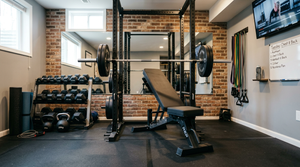

A workout bench looks simple until you start comparing capacity, bench angle, storage size, padding, rack compatibility and exercise range. The wrong bench can feel too low, too narrow, too limited or too awkward to store. The right one becomes one of the most used pieces in a home gym.
Factory Fast’s weight and workout benches range includes flat, adjustable and compact options, so the best choice starts with the exercises you want to perform and the amount of space you can give the bench between workouts.
The Main Bench Types
Most buyers are choosing between a flat bench, an adjustable bench or a bench that is part of a larger station. Each solves a different problem.
Flat Workout Benches
A flat bench is the simplest option. It suits dumbbell press, supported rows, step-based movements, triceps work and basic bench press setups when used with compatible rack equipment. A flat design is easy to understand and often easier to position in smaller spaces.
The Weights Flat Bench Press Home Gym has a metal frame, padded support, capped feet for floor protection and a listed maximum capacity of 110 kg. Its bench dimensions are 110 x 52 x 43 cm, with a padded support width of 30.5 cm.
Adjustable Workout Benches
An adjustable bench gives more exercise variety because it can support different pressing angles and seated movements. This matters if you want incline work, shoulder press positions or more ways to train with dumbbells.
The Heavy-Duty Commercial Workout Bench has a PU leather cover over hardwood, three adjustable positions, a footrest adjustable in 10 positions and hooks for locking in the closed position. It measures 102 x 34 x 54.8 cm when closed and 140 x 34 x 54.8 cm when open, with a listed bearing capacity of 150 kg including weights.
Bench-In-Station Setups
Some benches are built into larger equipment. These can suit buyers who want pressing, leg work and arm training from one setup rather than a separate rack and bench. If you prefer guided training or want several functions in one area, compare gym stations before choosing a standalone bench.
Match The Bench To The Exercises
A bench should be chosen around movement, not just price. For dumbbell work, check width, padding and whether the bench sits at a practical height. For bench press, consider whether it will pair with squat and power racks. For compact routines, storage and moving weight may matter more than heavy-duty capacity.
If You Train With Dumbbells
A flat or adjustable bench can both work well. Flat benches are straightforward for pressing and rows, while adjustable models add incline variations. If your dumbbells are moderate and your room is tight, a compact bench may be the cleaner choice.
If You Plan Barbell Bench Press
Check bench height and rack compatibility together. The bench must sit correctly under the bar, and there needs to be enough clearance to move around the rack. A bench that works well alone may still be awkward if it does not align with your barbell setup.
If You Need Easy Storage
Look for closed dimensions, locking features and total product weight. A bench that folds but is still difficult to move may not solve a small-space problem. Check whether the stored shape fits behind a door, along a wall or under another storage zone.
Weight Capacity And User Fit
Capacity should include the user and the weights being used where the product specifies that. This is important because a bench carries both body weight and training load during pressing and supported movements. Buyers should leave a sensible margin rather than choosing a bench that only just matches their current routine.
User fit also matters. Bench length, height and pad width affect comfort and positioning. A narrow pad can feel useful for shoulder movement, but it still needs to support the torso well. A bench that is too high can make foot placement harder for some users.
Material And Comfort Details Worth Checking
A solid frame matters, but so does the top surface. Padding should support repeated use without feeling unstable. Covered surfaces need to be easy to wipe down after training. Feet and end caps are useful in home settings because they help protect indoor floors and reduce movement during basic exercises.
For Australian homes where gym equipment may sit in a spare room, garage or multipurpose area, compact storage and floor protection can be just as important as exercise variety.
Should You Buy A Bench Before A Rack?
Many buyers should buy the bench first because it supports dumbbell training immediately. A rack becomes more important once barbell squats, bench press and heavier progression are part of the plan. If your long-term setup includes a rack, choose a bench that will still make sense when that upgrade arrives.
A bench is often the bridge between basic home fitness equipment and a more complete strength setup. Before choosing, write down the five exercises you expect to do every week. If three of them need incline or seated support, choose adjustable; if most are flat pressing, rows and step work, a simpler bench may be the better buy.
 Tags:
Tags: