1300 760 441
 cs@factoryfast.com.au
Lat Pulldown Machines Buyer Guide: Plan the Right Cable Setup for Your Home Gym
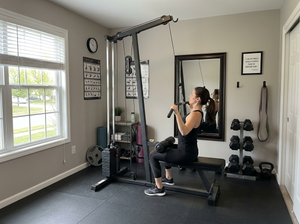

A lat pulldown machine is not just another home gym station. It changes the way you train your back because it gives you a controlled vertical pulling pattern that free weights and doorway bars do not fully replace. The right choice depends on floor space, plate compatibility, seat setup, low row function and whether you want a standalone cable station or a rack-based system. Factory Fast’s lat pulldown machines range includes both dedicated cable trainers and multi-function options, so planning the setup first makes the buying decision much clearer.
Plan the Training Job Before the Machine
Choose a Dedicated Lat Pulldown and Low Row Machine for Cable Focus
A dedicated machine suits buyers who mainly want pulldowns, seated rows and repeatable cable back training. The Lat Pulldown Low Row Fitness Machine has product dimensions of 1960 x 1415 x 830 mm, a 150 kg weight rating, adjustable seat and foot bracing, heavy-duty steel construction and compatibility with Olympic and standard-sized weights. The page also notes that weights are not included, which is important if you are budgeting beyond the machine itself.
Choose a Compact Bench-Style Gym for Smaller Rooms
If your home gym is a spare room, compact garage corner or mixed-use space, a bench-style cable machine may be easier to place. The Home Gym Lat Pull Down Multi Workout Machine is listed at 181 x 120 x 62 cm with a padded bench, cable and bar, a 60 kg maximum disc load and a 120 kg maximum user weight. It accommodates 25.4 mm weight holes and includes adaptors for 50.8 mm Olympic-style discs.
Choose a Rack With Lat Pulldown for a Full Strength Zone
If you are planning squats, bench work, pull-ups and cable pulls together, a rack-integrated pulley system may be the better project. The Power Rack Squat Cage with Lat Pulldown is listed at 210 x 213 x 160 cm with band pegs and dip handles installed, with high and low pulleys rated to 363 kg. It belongs in a dedicated strength area, not a tight corner.
Measure Footprint and Working Space
The listed dimensions are only the machine footprint. A lat pulldown setup also needs space for loading plates, sitting down, pulling the bar through a clean path and moving around the back or sides of the unit. If the machine has a low row position, check the space in front for leg extension and cable travel.
For shoppers comparing gym stations, this is where cable equipment differs from bodyweight equipment. A pull-up station mostly needs vertical clearance and floor footprint. A lat pulldown machine needs seated clearance, plate access and a straight pulling path.
Check Weight Loading and What Is Included
Many home lat pulldown machines are plate loaded, which means your total project cost may include weight plates. If the page says weights are not included, plan that before checkout. Also check whether the machine suits the plate sizes you already own. A machine that works with both 25.4 mm and 50.8 mm plate holes can be more flexible if you are building gradually.
If you already own plates and bars, browse squat and power racks alongside lat pulldown options. If you need handles, ropes or bars to vary your cable work, the gym and fitness accessories range is the natural next category to review.
Look at the Seat, Foot Brace and Row Setup
Lat pulldowns work best when the seat, thigh hold and pulling path suit the user. A machine with adjustable seat and foot bracing gives more control for different body sizes. Low row capability adds value when the same station lets you train horizontal pulling without changing to a separate row machine.
For buyers with limited room, a flip-up foot plate or compact row setup can matter as much as the maximum load. The goal is to reduce friction: if it takes too long to adjust the station, the cable work is less likely to become part of the weekly routine.
Avoid Buying Around One Exercise Only
A lat pulldown is often bought for back training, but the best home gym choice usually comes from the full cable plan. Think about pulldowns, low rows, straight-arm pulldowns, grip changes and whether the station will sit near your plates or across the room from them. A machine can be strong on paper and still awkward if every set requires shifting plates from another corner.
Before ordering, write down the plates you already own, the cable movements you actually want and the space needed for the longest pull. That short list will tell you whether you need a dedicated lat pulldown machine, a compact bench-style unit or a rack-based cable setup.
Frequently Asked Questions
-
 Tags:
Lat Pulldown Machines
Tags:
Lat Pulldown Machines