1300 760 441
 cs@factoryfast.com.au
Hanging Storage: Maximise Space in Wardrobes, Closets, Campsites & 4x4 Setups
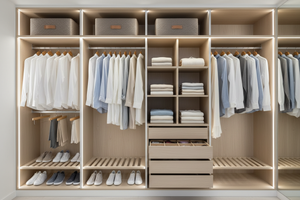

Hanging storage is a versatile solution for maximising space in wardrobes, closets, campsites, and 4x4 setups. This guide is for anyone looking to maximise storage space—whether you're a renter, homeowner, camper, or frequent traveller. Discover how hanging storage can help you stay organised and make the most of every square metre. By thinking vertically and using walls and doors, you can significantly increase storage in small spaces without occupying floor area. Hanging storage options can free up floor or shelf space, reduce clutter, and keep your favourite items in plain sight, making it easier to keep track of your things and maintain a tidy environment in any setting.
Key Takeaways
-
Hanging storage includes any organiser that suspends from a rail, wall, door, frame or vehicle, instantly freeing floor and shelf space in wardrobes, closets, tents and 4x4 vehicles.
-
The main types include wardrobe shelves, multi-use hangers, wall hooks, camping organisers, over-door units, floating shelves, pegboards, wall-mounted organisers, double hanging rods, corner shelves, headboards with shelves, and top-of-closet shelves—each suited to different scenarios from small city apartments to extended off-road tours.
-
Keeping clothes, accessories and camping gear visible and easy to reach through hanging rails, fabric shelves and pockets saves time and reduces daily clutter.
-
Key buying factors include material durability, weight capacity (most fabric organisers hold 5–8 kg), dimensions relative to your space, mounting method and whether the unit folds flat for storage.
-
Renters can use hanging storage effectively with over-door hooks, freestanding rails and adhesive mounts that avoid permanent wall damage.
What Is Hanging Storage and Why It Matters
Hanging storage refers to any organiser that suspends from a rail, wall, door, frame or vehicle structure, freeing floor and shelf space in wardrobes, closets, garages and tents. Instead of items resting directly on shelves or the ground, they’re held in tension—using hooks, rods, tracks or fabric compartments attached to overhead or vertical surfaces. Hanging storage options can free up floor or shelf space, making it an ideal solution for maximising every available centimetre in your home or on the road.
The core benefit is simple: you’re converting unused vertical air into usable storage space. This approach can effectively double or even triple your storage capacity within the same footprint, whether that’s a narrow wardrobe or the rear of a touring 4x4. Thinking vertically by using walls and doors can significantly increase storage in small spaces without occupying floor area.
Hanging storage makes it easier to keep track of your things, as items are visible and accessible. Hanging storage solutions can include specialised storage for items like shoes or handbags, and can be designed to fit under a rail or hung flat against a wall. This versatility means you can adapt hanging storage to suit your specific needs, whether you’re organising a bedroom, kitchen, garage, or campsite.
Here’s why hanging storage matters in 2026:
-
Maximises vertical space that typically goes unused above floor level and below ceiling height
-
Keeps belongings off the ground, protecting them from dust, moisture and damage
-
Makes items visible and easy to reach, reducing the time you spend searching for things
-
Simplifies cleaning under furniture, inside tents, and throughout living spaces
-
Creates a handy, organised system where everything has a designated place
Consider a few real-life scenarios where hanging storage solves genuine problems:
-
A 2-bedroom apartment in Sydney where built-in wardrobes measure just 80 cm wide—hanging shelves and multi-use hangers can triple the usable clothes storage without renovation
-
A family camping in a 6-person tent during a rainy April weekend, where hanging pockets keep torches, phones and maps dry and within arm’s reach at night
-
A 4x4 touring trip across regional Australia, where a tall hanging organiser under the canopy stores dry food, cups and plates away from dust and insects
Modern hanging organisers in 2026 use materials like polyester oxford, canvas, cotton, mesh, plastic and metal. Many designs fold flat into compact cases when not needed, making them convenient for seasonal use or travel. The fabric options often feature mould-resistant and easy-clean properties that suit both indoor wardrobes and outdoor adventures.
Types of Hanging Storage Solutions and Their Benefits
Hanging storage comes in many forms, each designed to address specific storage needs and environments:
-
Over-the-door organisers: Perfect for storing small items such as toiletries, shoes, or accessories. These units hang over standard doors and are ideal for renters or anyone who wants to avoid permanent installation.
-
Vertical solutions: Floating shelves, pegboards, and wall-mounted organisers make use of vertical wall space, providing storage for books, toiletries, decor, or tools.
-
Pegboards: Offer customisable organisation by allowing you to hang tools, utensils, or supplies using hooks and small shelves. Great for kitchens, garages, or craft rooms.
-
Wall hooks and racks: Hold items like hats, bags, jewellery, pots, pans, or sports equipment. Wall-mounted racks can support heavier items and keep them within easy reach.
-
Floating shelves: Can be installed in any room for additional storage or display of books, toiletries, or decorative items.
-
Fabric hanging organisers: Used in closets for folded clothes, shoes, or accessories. These are lightweight, often foldable, and easy to install.
-
Double hanging rods: Create an additional rod below the main one in your wardrobe, effectively doubling the hanging space for shorter clothing items.
-
Corner shelves: Fit into awkward corners to provide extra display or storage space, making use of areas that are often overlooked.
-
Headboards with shelves: Provide storage for books and nightstand essentials, maximising bedroom space.
-
Top-of-closet shelves: Utilise the space above the closet rod for less-used items, keeping them out of the way but still accessible.
-
Foldable wardrobe organisers: Can be folded flat and stored away when not in use, offering flexibility for seasonal or temporary storage needs.
The benefit of these solutions is that they help keep your wardrobe neat and tidy, keep all your favourite pieces in plain sight, and allow you to customise your storage to fit your lifestyle and space.
Hanging Wardrobe & Closet Storage
Wardrobes and built-in closets remain the most common place people use hanging storage at home in 2026. Whether you’re working with a narrow 80 cm closet or a wide 150 cm sliding-door wardrobe, the right hanging solutions can transform chaotic piles into an organised system.
Hanging shelves that hook over a clothing rail are the foundation of wardrobe organisation:
-
Typical compartment height sits around 30–35 cm per shelf, suitable for folded jumpers, jeans, kids’ clothes and towels
-
Standard widths fit 60–100 cm wardrobe sections, though you’ll find options for narrower or wider spaces
-
These spacious shelves work best for items you’d otherwise stack on fixed shelves, keeping them visible and accessible
-
Look for reinforced hooks that distribute weight evenly across the rail
Multi-use hangers can dramatically increase rail capacity:
-
Tiered trouser hangers hold 5–6 pairs in the space of one, freeing significant rail length
-
Cascading hangers link multiple garments vertically, effectively doubling or tripling your hanging space
-
Scarf and belt rings keep accessories together and prevent tangling
-
These work best when you use them carefully—overloading a weak rail will cause sagging
Under-rail hanging storage utilises the vertical drop between the main rod and the floor:
-
Fabric units that hang below the main rod provide extra shelves for shoes or folded t-shirts
-
These are particularly helpful in wardrobes with high rails around 180 cm from the floor
-
They convert wasted vertical space into organised cubbies without blocking access to hanging clothes
Double hanging rods: By adding a second rod below the main one, you can double the hanging space for shorter items like shirts and trousers.
Top-of-closet shelves: Install shelves above the main rod to store less-used items such as hats, bags, or seasonal clothing.
Foldable wardrobe organisers: These can be folded flat and stored away when not in use, making them ideal for seasonal changes or temporary needs.
Tips for keeping your wardrobe tidy:
-
Group items by type or colour so you can find things at a glance
-
Use labelled boxes in hanging cubbies for smaller accessories
-
Ensure everyday items sit at eye level for quick access
-
Rotate seasonal items—store winter coats at the back during summer months
-
Add a hanging organiser specifically for accessories like scarves, belts and ties
For a narrow 80 cm closet, a single hanging shelf unit plus a few multi-use hangers can add the equivalent of three additional shelves. For a wide 150 cm sliding-door wardrobe, you might install two hanging shelf units side by side, with tiered hangers between them for maximum clothes storage efficiency.
Beyond wardrobes, hanging storage can also be used throughout the home—let's explore wall, door, and rail options next.
Wall, Door and Rail Hanging Organisers at Home
Not all hanging storage needs a built-in wardrobe. Walls, doors and freestanding rails offer flexible storage solutions in bedrooms, hallways, bathrooms and home offices—particularly useful if you’re renting or your home lacks adequate closet space.
Over-the-Door Organisers
Over-the-door organisers provide instant storage without installation:
-
Shoe organisers with clear pockets fit standard interior doors about 198–204 cm tall and up to 4–5 cm thick
-
Bathroom organisers store toiletries, cleaning products and hair tools in easy-to-see compartments
-
Pantry door organisers hold spices, wraps and snacks, freeing cabinet space
-
Choose models with padded hooks to prevent door damage and ensure items can be easily stored without falling
Wall-Mounted Solutions
Wall-mounted solutions create permanent organisation points:
-
Peg rails in entryways hold coats, bags and umbrellas at convenient height
-
Hook strips with multiple prongs handle the daily drop zone for keys, dog leads and reusable bags
-
Wall grids in home offices organise stationery, headphones and small gadgets
-
Pegboards allow for customisable organisation by hanging tools, utensils, or supplies using hooks and small shelves
-
Floating shelves can be installed in any room for storage of books, toiletries, or decor
-
Installation into studs or with appropriate anchors ensures these handle regular use
Freestanding Rails and Racks
Freestanding rails and garment racks work brilliantly in rentals or small flats:
-
A simple rail creates an open wardrobe in a bedroom corner or alcove
-
Complement the rail with hanging shelves to add folded clothes storage
-
Multi-use hangers maximise the available rail length
-
These setups are completely portable when you change address
Safety and wall protection considerations:
-
Use adhesive hooks in rentals—test with lighter items first to confirm holding strength
-
For plasterboard walls, use appropriate anchors rated for the weight you’ll hang
-
Brick and masonry require different fixings than timber studs
-
Keep heavier items closer to fixing points to prevent the organiser from pulling away
-
Always check weight limits before loading—most adhesive hooks handle 2–5 kg per hook
A hallway with a simple peg rail at 150 cm height provides convenient access for coats and bags. A bathroom with an over-door organiser keeps toiletries visible and off wet surfaces. A spare room with a freestanding rail and hanging shelves becomes a functional wardrobe without any permission needed for drilling.
Next, let’s see how hanging storage can transform your camping and outdoor experiences.
Camping & Outdoor Hanging Storage Solutions
Modern campers in 2026 have embraced hanging shelves, pockets and bags inside tents, caravans and camper trailers. These solutions keep gear dry, visible and off the ground—essential when you’re sharing space with dirt, moisture and insects.
Tent Hanging Shelves
Hanging storage shelves for tents attach directly to internal frames:
-
Multiple fabric shelves (typically 3–5 compartments) provide organised space for clothes, toiletries and food
-
Mesh fronts allow visibility so you can find items quickly in low light
-
Most units fold into compact hard or semi-rigid cases for travel
-
Clip or strap attachments work with various pole diameters and tent designs
-
These keep items at a convenient height rather than buried in bags on the ground
Hanging Storage Pockets
Hanging storage pockets run along tent walls or attach to roof poles:
-
Ideal for torches, maps, phones, insect repellent and small tools that need to be within arm’s reach at night
-
Multiple pocket sizes accommodate different items
-
Mesh or fabric options—mesh allows faster identification; fabric offers better protection
-
Some feature loops for hanging additional items like headlamps or keys
Camping Storage Bags
Hanging storage bags and organisers at campsites serve specific functions:
-
Food organisers keep snacks and dry goods away from dirt, insects and damp ground
-
Cooking utensil holders store spatulas, tongs and cutlery in one accessible location
-
Toiletry bags hang from tree branches or awning poles near wash areas
-
These prevent the classic campsite problem of items scattered across tables and chairs
Specialised Accessories
Specialised camping accessories improve hygiene and convenience:
-
Hanging toilet paper holders protect rolls from moisture and insects at remote sites
-
Shower caddies with drainage holes work at campground facilities
-
Hanging mesh bags for wet swimwear allow drying while keeping items contained
-
These features make life significantly easier at unpowered or bush campsites
For a weekend camp in April, a single hanging shelf unit inside the tent keeps essentials organised. For a two-week summer road trip, multiple hanging solutions—pockets for daily items, shelves for clothes, and bags for food—create a genuinely liveable camp setup. Quick setup and pack-down remain key: choose options that fold flat and store in integrated pouches.
Now, let’s look at how hanging storage can be adapted for 4x4 vehicles, caravans, and travel.
4x4, Caravan & Travel Hanging Organisers
Hanging storage for 4x4 vehicles, caravans and vans focuses on the unique challenges of long-distance travel and off-road touring. When every cubic centimetre matters and dust infiltrates everything, the right organisers make a genuine difference.
Tall hanging organisers with multiple shelves suit vehicle setups:
-
Designed to hang from awnings, canopies or roof frames
-
Store dry food, snacks, cups and plates together in one visible location
-
Keep items off dusty surfaces and protected from overnight condensation
-
Typical designs offer 4–6 compartments at various heights
Travel-focused features distinguish vehicle organisers from home versions:
-
Durable polyester oxford fabric resists abrasion from rough handling and UV exposure
-
Adjustable straps with buckles secure the unit during driving
-
Mesh or zippered fronts keep items in place over corrugated roads
-
Reinforced stitching handles the vibration and movement of travel
Additional pockets on organiser sides store quick-access items:
-
Keys, sunscreen, insect repellent and multitools always sit in a known, reachable spot
-
Elastic loops hold torches and pens securely
-
These prevent the frustration of searching through multiple bags for frequently needed items
Packability matters for touring setups:
-
Organisers that fold or roll into integrated cases store easily under seats
-
Some designs include a semi-rigid case that protects the organiser during transit
-
Options that collapse flat fit into cargo drawer systems without wasting space
-
Consider how the organiser packs when fully loaded versus empty
For a day trip, a simple hanging pocket system might be all you need—keeping snacks and water accessible without unpacking the entire vehicle. For multi-week tours across remote areas, tall organisers with multiple shelves create a portable pantry that sets up in seconds at each new camp. The ability to change configuration based on trip length adds genuine value.
Let’s now examine the materials and durability of hanging storage solutions.
Materials and Durability
A key advantage of a quality hanging organiser is its robust construction. Most modern organisers are crafted from durable polyester oxford fabric, which is designed to withstand the daily demands of clothes storage. The spacious shelves are reinforced to support the weight of your belongings, from folded jumpers to accessories, without sagging or tearing. This sturdy fabric resists wear and tear, making the product ideal for regular use in busy wardrobes or on the road. Additionally, the material is easy to clean and maintain, so your hanging organiser remains in top condition over time. Thanks to these features, you can trust that your storage solution will be easily stored when not in use and will provide reliable, convenient storage for clothes and accessories for years to come.
Next, let’s explore how you can customise and adapt hanging storage to your unique needs.
Customization and Flexibility
One of the standout features of a hanging organiser is its adaptability to your unique storage needs. With adjustable shelves and modular compartments, you can easily tailor the space to fit everything from bulky sweaters to smaller accessories. Whether you need to add extra shelves or rearrange compartments, the product offers options to suit your requirements. The hanging organiser can be placed in a wardrobe, on a wall, or even in a hallway, providing convenient access to your clothes and belongings wherever you need it. This flexibility makes it easy to change your setup as your storage needs evolve, ensuring that your items are always organised and within easy reach. Choose the configuration that works best for you and enjoy a practical, user-friendly way to keep your space tidy.
Now, let’s discuss how to select the right hanging storage for your space.
How to Choose the Right Hanging Storage
Not every organiser suits every space. Choosing correctly prevents sagging shelves, torn fabric or obstructed doors—and ensures your purchased product actually solves the problem you’re facing.
Checklist for Choosing Hanging Storage:
-
Check dimensions relative to your space:
-
Measure your wardrobe rail width before purchasing hanging shelves (a 60 cm organiser won’t work in a 50 cm gap).
-
For over-door units, confirm door height (standard is 198–204 cm) and thickness (most doors are 3.5–4.5 cm).
-
Tent organisers need frame clearance—check pole diameter compatibility.
-
4x4 canopy organisers must fit the available height without blocking access.
-
-
Assess weight limits and construction quality:
-
Most fabric wardrobe organisers safely hold around 5–8 kg per unit.
-
Heavy-duty camping or 4x4 organisers may be rated higher, but always check specifications.
-
Look for reinforced seams at stress points, particularly where hooks attach.
-
Sturdy hooks, wide straps and rigid inserts support heavier items like boots or books.
-
Avoid placing items like large textbooks on lightweight shelves.
-
-
Compare common materials:
-
Cotton canvas offers durability and a premium feel, but may absorb moisture.
-
Polyester oxford provides excellent weather resistance and easy cleaning.
-
Nylon mesh allows visibility and airflow, ideal for damp items or ventilation.
-
Plastic and metal components should be rust-resistant for outdoor use.
-
Indoor organisers can use lighter materials; outdoor options need UV and water resistance.
-
-
Consider installation style based on your situation:
-
Over-rail hooks work universally in wardrobes.
-
Over-door hooks need no installation and suit renters perfectly.
-
Wall-mounted screws offer permanence but require permission in rentals.
-
Adhesive hooks provide a damage-free alternative with lower weight limits.
-
Carabiners attach to tent poles quickly.
-
Buckle straps secure to 4x4 frames and awnings.
-
-
Evaluate foldability and storage when not in use:
-
Designs that collapse flat save significant storage space.
-
Built-in hard-shell cases protect organisers during transport.
-
Seasonal use (camping gear, holiday wardrobes) benefits from compact storage.
-
Some organisers include integrated pouches that keep all components together.
-
Use this checklist before any purchase. Measure your set space, confirm the weight you’ll load, match the material to your environment (indoor or outdoor), verify the installation method meets the required specifications for your situation, and ensure the organiser stores compactly when not needed.
Let’s look at the variety of product options available.
Product Options
When it comes to finding the perfect hanging organiser, there’s no shortage of product options to choose from. Available in a variety of sizes, colours, and styles, these organisers are designed to fit seamlessly into any wardrobe or storage space. You can select between spacious shelves for larger items or compact shelves for smaller belongings, ensuring you have the right solution for your needs. Additionally, many hanging organisers can be purchased with handy accessories like storage baskets or hooks, providing even more ways to store clothes and accessories. With so many options, it’s easy to find a product that matches your décor and storage requirements, making it a convenient and effective way to organise your belongings.
Next, let’s ensure you install and use your hanging storage safely and effectively.
Tips for Installing and Using Hanging Storage Safely
Safe installation protects walls, rails and tent frames while keeping items secure during everyday use or vehicle movement. A few minutes of preparation prevents damage and ensures your hanging storage performs as expected.
Measuring and Marking
Step-by-Step:
-
Confirm rail height can support hanging shelves plus the items inside without touching the floor.
-
Check door clearance—over-door organisers shouldn’t prevent the door from closing properly.
-
Locate wall studs for heavy-duty installations using a stud finder.
-
For tent installations, identify the strongest poles and attachment points.
Load Distribution
Checklist:
-
Place heavier items on lower shelves where they’re closer to fixing points.
-
Spread weight across multiple hooks rather than loading one heavily.
-
Avoid overloading single wardrobe rails—use multiple support points where possible.
-
In vehicles, secure loose items before driving to prevent shifting.
Rental-Friendly Options
Checklist:
-
Favour over-door hooks that require no drilling.
-
Freestanding rails and garment racks offer complete portability.
-
Test adhesive hooks with lighter items before loading fully.
-
Read product specifications for weight limits on adhesive options.
-
Remove adhesive products carefully when moving out to avoid wall damage.
Usage Tips
Checklist:
-
Rotate seasonal items—winter coats move to accessible positions in autumn, summer dresses come forward in spring.
-
Label pockets or compartments, especially for shared family storage.
-
Keep daily essentials at chest or eye level for quick grabs.
-
Review what you’ve stored periodically—remove items you no longer need.
Maintenance
Checklist:
-
Regularly check stitching and attachment points for wear.
-
Brush off dust from fabric organisers monthly.
-
Wipe down waterproof materials with a damp cloth.
-
Hand-wash fabric organisers according to care labels.
-
Air-dry completely before refilling to prevent mildew.
-
Reference manufacturer instructions for specific cleaning guidance.
These simple actions ensure your hanging storage remains functional and safe for years. Whether at home or on the road, a few minutes of care prevents the frustration of collapsed organisers or damaged mounting points.
Let’s see how to keep your hanging storage organised and well-maintained.
Organization and Maintenance
Keeping your belongings organised is simple with a hanging organiser. The spacious shelves and thoughtfully designed compartments make it easy to store and access clothes, shoes, and accessories. The product’s features are tailored for convenience, allowing you to quickly find what you need without rummaging through piles. Maintenance is just as straightforward—simply wipe down the fabric shelves and compartments with a damp cloth to keep them clean. Additionally, the durable fabric is designed for easy care, so your organiser stays looking fresh and functional with minimal effort. This practical approach to organisation and maintenance ensures your storage solution remains a reliable and convenient part of your daily routine.
Now, let’s hear what customers have to say about their experience with hanging storage.
Customer Feedback
Customers consistently praise the hanging organiser for its ability to maximise storage space and keep wardrobes tidy. Many users highlight how the product has helped them store more belongings in an organised way, freeing up valuable space in their homes. The convenience and ease of use are frequently mentioned, with customers noting how simple it is to assemble, install, and customise the organiser to fit their needs. Additionally, the durability and quality of the product receive positive reviews, with many appreciating the sturdy construction and long-lasting fabric. For those considering a purchase, reading customer reviews and feedback online provides a helpful reference, offering real-life insights into how the hanging organiser performs in everyday use. This positive feedback underscores the product’s reputation as a practical and convenient storage solution for any wardrobe or living space.
FAQ
How much weight can typical hanging storage hold?
Most fabric wardrobe organisers safely hold around 5–8 kg per unit when evenly distributed across all shelves. Heavy-duty camping or 4x4 organisers designed for rougher conditions may handle more, with some rated up to 10–15 kg. Always check manufacturer weight limits before loading, and remember that the weakest point is usually the hook or attachment mechanism rather than the fabric itself. If you’re storing heavier items like boots or cookware, choose organisers with reinforced hooks, wide straps and rigid shelf inserts.
Can I use hanging storage if I’m renting and can’t drill into walls?
Absolutely. Over-door organisers fit standard doors without any modification—simply hook them over the top and add your belongings. Freestanding garment racks with hanging shelves create an entire wardrobe system without touching walls. Strong adhesive hooks (rated for 2–5 kg per hook) offer another option, though you should test holding strength with lighter items first. All these options avoid permanent damage and can be removed easily when you move out. Many renters find this way of organising actually works better than built-in solutions.
Will hanging storage damage my wardrobe rail or door?
Correctly sized, evenly loaded units shouldn’t cause damage to standard rails or doors. However, thin or weak rails can bend if you overload them—lightweight metal rails are particularly vulnerable. To prevent problems, spread weight across multiple hooks rather than concentrating on one spot. Avoid hanging very heavy items like large textbooks or tool collections. For doors, choose organisers with padded hooks that protect the finish. If your wardrobe rail shows signs of bending, redistribute items or add additional rail support brackets.
How do I clean fabric hanging organisers?
Empty the organiser completely and shake out loose debris. Vacuum compartments to remove crumbs, dust and lint. For spot cleaning, use mild detergent mixed with warm water and a soft cloth. Avoid submerging the entire unit unless the care label specifically permits it. Air-dry thoroughly—ideally in sunlight—before refilling to prevent mildew. For outdoor organisers exposed to mud or heavy soiling, a gentle brush and hose rinse works well, followed by complete drying. Always reference care labels for specific guidance, as materials vary.
Is hanging storage suitable for damp areas like bathrooms or coastal campsites?
It can be, provided you choose appropriate materials. Polyester and nylon resist moisture far better than cotton or canvas. Plastic and metal components should be rust-resistant—look for stainless steel or powder-coated options. Mesh designs allow airflow and dry faster than solid fabric. In consistently damp environments, ensure good ventilation and periodically dry organisers in direct sunlight to prevent mould. Bathroom organisers with drainage holes work well for wet items. At coastal campsites, wipe down organisers to remove salt residue and air them regularly to extend their life.
 Tags:
Tags: