1300 760 441
 cs@factoryfast.com.au
Vanity Mirrors Buyer Guide: Choose the Right Size, Lighting and Setup
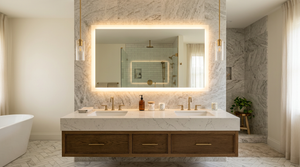

A vanity mirror earns its space by making daily grooming easier, yet the wrong design can leave you leaning forward, working in uneven light or losing valuable bedroom storage. The best choice depends on whether you need a close facial view, head-to-toe visibility or a complete dressing station with lighting and organisation built in.
The Factory Fast vanity mirrors range includes illuminated, full-length and integrated configurations for different routines and room sizes. Use this guide to decide which arrangement suits you, how large the reflective area should be and which features will make a practical difference after the novelty wears off.
Start With the Job Your Vanity Mirror Must Do
The first buying decision is not shape or frame colour. It is the distance from which you will use the mirror and how much of yourself you need to see.
Close-up grooming and makeup
A seated makeup station needs a clear facial and upper-body reflection. The mirror should be close enough for detailed work without forcing you to hunch over the tabletop. Adjustable brightness is useful because one fixed light level can feel too dim during early mornings and too harsh later in the evening.
An integrated dressing table mirror is usually the most efficient option when cosmetics, skincare products and hair accessories must remain within reach. It gives the mirror, work surface and storage a defined relationship, reducing the risk of buying separate pieces that sit at uncomfortable heights.
Outfit checks and dressing
A full-length model is more appropriate when the main purpose is checking clothing, footwear and overall proportions. It should show the user from head to toe at a comfortable standing distance without requiring an awkward lean.
Full-length designs can also serve as secondary grooming mirrors when they include front-facing lighting. They are less suitable for intricate close-up tasks unless there is enough room to move nearer to the glass without colliding with a stand or surrounding furniture.
A complete getting-ready station
Some bedrooms need both functions. In that case, compare a full vanity table with a separate full-length mirror against one larger illuminated model. Two purpose-specific pieces often work better when the room has separate dressing and grooming zones. A single mirror is more economical with floor space, but it may involve a compromise between facial detail and whole-outfit visibility.
Compare the Main Vanity Mirror Configurations
Vanity mirrors can be grouped into tabletop or integrated designs, wall-mounted models and freestanding full-length options. Each solves a different placement problem.
Integrated vanity tables
An integrated unit is suited to someone starting a dressing area from scratch. The mirror height, tabletop and storage are designed as one setup, which removes much of the guesswork involved in matching separate pieces.
The makeup vanity table with LED mirror and stool measures 80 × 36 × 130 cm. Its compact 80 cm width makes it practical for a bedroom corner, while four drawers, multiple shelves and concealed storage behind the movable mirror help separate everyday items. Three light modes and adjustable brightness support different parts of a grooming routine.
Choose this type when organisation is as important as reflection. Remember to include the stool and the space required to pull it out when measuring the footprint.
Compact vanity desks
A compact desk arrangement suits a bedroom where the vanity must sit beside other furniture or occupy a shallow wall. It can provide a dedicated grooming surface without taking up the width of a large dresser.
The makeup vanity mirror desk with LED lighting combines touch-controlled, adjustable LED lighting with enclosed storage. This configuration is useful when open shelves would make a small room look busy or when products need protection from everyday bedroom dust.
Before choosing a compact unit, check the usable surface rather than judging size from the overall silhouette. Allow space for the products and tools used during the routine, not an entire collection that can remain stored elsewhere.
Full-length mirrors
A floor-standing or wall-mounted design gives the broadest reflection. The 160 × 50 cm LED full-length mirror can be used with its stand or mounted on a wall. It has an aluminium frame, a powder-coated MDF base and three listed colour temperatures: 3000 K warm yellow, 4000 K cool white and 6000 K daylight.
This is a strong choice for outfit planning and bedrooms with enough viewing distance. Wall mounting can preserve floor area, while the included stand offers greater flexibility if the room is likely to be rearranged.
For more decorative or non-illuminated alternatives, compare the wider wall mirrors collection. A decorative mirror may improve the room visually, but its shape and position still need to support the intended routine.
Choose a Mirror Size From the Viewing Distance
Mirror dimensions only become meaningful when considered alongside the user’s position. A wide mirror can still be ineffective if it is mounted too high, while a smaller design can work well when placed close to a seated user.
Measure the seated position
Sit on the stool or chair you expect to use and measure your eye height from the floor. Then identify where the centre of the reflective area would sit. The goal is to see the head, shoulders and working area without raising the chin or bending forward.
Check the combined height of the table and mirror rather than the mirror alone. If buying separate pieces, mark the proposed top and bottom edges on the wall with removable tape. Test the outline while sitting naturally.
Measure the standing position
For full-length visibility, mark the mirror width and height before buying, then stand at the distance available in the room. A design that technically fits the wall may still be frustrating if the bed prevents you from stepping back far enough.
The 160 × 50 cm illuminated option provides a useful point of reference for a tall, narrow configuration. In a small Australian bedroom, the 50 cm width may be easier to place between a wardrobe and doorway than a broad decorative design. The room must still provide enough clear space in front for an unobstructed view.
Account for furniture clearance
Measure drawers, cabinet doors, wardrobe doors and the vanity stool in their open or pulled-out positions. A mirror should not force a storage drawer to stop halfway or create a bottleneck beside the bed.
For a complete bedroom update, browse bedroom furniture with the vanity dimensions in mind. Matching the physical scale of the pieces matters more than buying every item in an identical finish.
Evaluate Lighting by Colour, Direction and Control
An LED vanity mirror should illuminate the face rather than merely create a glowing border. Look at where the light sits, whether brightness can be adjusted and how many colour settings are provided.
Colour modes
Warm light creates a softer appearance and suits evening use. Cooler settings provide a crisper view for detailed grooming. A daylight-style mode can help reveal how makeup or clothing colours may appear in brighter conditions.
Multiple settings are more useful than a single dramatic colour because bedroom lighting changes throughout the day. The full-length model’s 3000 K, 4000 K and 6000 K options illustrate the practical range between warm, cool and daylight illumination.
Brightness adjustment
Dimming control lets the same mirror work for close grooming and lower-intensity ambient use. It also helps when the mirror is positioned near a window and requires different output during the day and at night.
Check whether brightness and colour are controlled separately. A buyer who prefers warm but bright illumination may find preset-only controls limiting. Product pages do not always describe every control sequence, so confirm the listed operation before ordering if this flexibility is essential.
Room lighting still matters
Integrated LEDs do not automatically correct every lighting problem. Strong ceiling light behind the user can cast shadows, while direct window glare can make the reflection harder to assess.
Place the mirror where natural light reaches the face from the front or side rather than from directly behind. For night use, consider how the illuminated surface will interact with bedside lamps and the room’s main light. Even output across the face is more valuable than maximum brightness.
Plan Power and Placement Before Buying
An illuminated mirror needs a workable power arrangement. Confirm the supplied power method and cable requirements on the exact listing because models may differ.
A cord should reach its intended outlet without crossing a walkway, hanging across storage or sitting where the stool repeatedly catches it. If the power source would remain visibly stretched across the wall, reconsider the location before committing to the mirror.
Wall-mounted and freestanding models create different obligations. A freestanding design is easier to reposition, but its base occupies floor area and needs a stable location. A mounted unit preserves the footprint and creates a cleaner appearance, although its position becomes less adaptable when the bedroom layout changes.
Also consider what the mirror will reflect. Facing an uncluttered wall, window or coordinated furniture can make the room feel more open. Pointing it towards open storage or a busy doorway may double the visual clutter.
Decide Whether Storage Should Be Separate or Integrated
Storage changes how efficiently a vanity works. Open shelves give immediate access but keep products visible. Drawers create a calmer surface, although poorly organised deep storage can slow the routine.
Integrated storage suits daily users
A dressing table with drawers and shelves works well when the vanity is used every day. Frequently used items can remain near the mirror, while backups and occasional products stay elsewhere.
The 80 cm-wide table provides a useful compact-room example: it uses vertical shelving and concealed space behind the mirror rather than relying only on a broad benchtop. Its lower lockable drawer offers another way to separate selected personal items.
A standalone mirror preserves furniture choice
Choose a separate mirror when you already own a suitable dresser or want to change the storage configuration independently later. This route allows greater control over width, finish and placement.
Measure the dresser depth carefully. A shallow top may hold a lamp and a few daily items but become crowded once a mirror base, organiser and grooming tools are added. Wall mounting the glass above existing furniture can recover more of the usable surface.
Match Materials and Finish to the Bedroom
Frame material affects both appearance and how visually heavy the mirror feels. A slim aluminium frame suits contemporary bedrooms and can keep a large reflective surface looking relatively light. MDF elements can coordinate with painted or engineered bedroom furniture, while frameless designs reduce visual interruption.
Silver, white and neutral finishes are easy to combine with changing bedding and wall colours. Darker frames create greater contrast and work best when another room feature repeats the finish. Exact matching is unnecessary, but the mirror should share at least one visual cue with the bed, bedside tables, lighting or wardrobe hardware.
For compact bedrooms, avoid choosing an elaborate frame that consumes wall space without increasing the usable reflection. Decorative detail has more room to work in larger bedrooms where the mirror is intended to act as a feature.
Compare Value by the Complete Setup
Purchase price should be assessed against what is included. A standalone illuminated mirror may cost more than a basic dressing table, but it can provide a larger reflection and both wall-mounted and freestanding placement. An integrated vanity can include the mirror, lighting, storage and stool in one purchase.
At the prices checked for this guide, the linked integrated set was $149.95 and the illuminated full-length design was $279.95. Prices can change, so use the live listings when setting the final budget.
Also account for any separate seating, organisers or placement work the chosen configuration requires. A low-priced mirror that needs a new table and stool may cost more as a complete station than an integrated design.
Value ultimately comes from repeated usefulness. Prioritise the features that solve a daily constraint: sufficient viewing area, workable illumination, accessible storage or flexible placement. Extra controls have little value if the mirror is uncomfortable to use.
Avoid Common Vanity Mirror Buying Mistakes
One frequent mistake is selecting from product images without mapping the dimensions in the room. Mark the full outline and test the proposed seated or standing position first.
Another is buying an illuminated model before checking power access. A mirror placed beside the perfect wall is not practical if its cord cannot reach without disrupting the layout.
Do not assume larger is always better. Oversized glass can dominate a compact wall, reflect unwanted clutter and leave inadequate clearance for nearby furniture. Conversely, a mirror chosen mainly for its frame may provide too little facial or full-body visibility.
Finally, avoid treating storage as an afterthought. Count the drawers and shelves, but also consider their positions. Daily items should be reachable while seated, and the stool must remain comfortable when drawers are opened.
Before placing an order, take two phone photos from the proposed mirror position: one at seated eye height and another at standing height. Those views will reveal background clutter, glare and blocked sightlines that a floor-plan measurement alone cannot show.
Frequently Asked Questions
-
 Tags:
Vanity Mirrors
Tags:
Vanity Mirrors