1300 760 441
 cs@factoryfast.com.au
Shoe Cabinet or Shoe Rack? How to Choose the Best Shoe Storage for Your Home
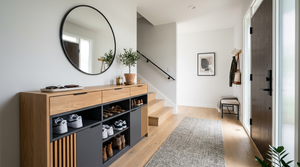

If shoes tend to gather near the door, under beds or in wardrobe corners, the real problem usually is not the number of pairs. It is the type of storage. The right shoe cabinet or shoe rack can make daily routines faster, keep pathways clearer and help your home feel more organised without taking over the room.
First decide whether you want shoes hidden or visible
This is the biggest decision in the category. A shoe cabinet is better when you want a tidier, more concealed look, keeping shoes out of sight, reducing visual clutter, and protecting them from dust. It suits entryways, bedrooms and living spaces where visible footwear can make the room feel busier than you want, while a sleek, closed cabinet blends more easily with decor. A shoe rack is usually the easier option when quick access matters most or when the storage needs to adapt often.
If you want a more enclosed, modular setup, the 16 Section White Cube Shoe Cabinet is the sort of format worth considering. If you prefer open shelving that feels lighter in the room, the 6 Layers Natural Wood Bamboo Shoe Rack is a useful point of comparison.
Match shoe racks style to the room
An entryway often needs fast access and a narrow footprint. A bedroom may benefit from a neater cabinet-like look. Family homes usually need more capacity than a single compact unit can provide. That is why one shoe storage format rarely suits every room. The better approach is to match the product type to the job the room is doing.
For tight vertical storage, an over-door option such as the 36 Pair Over the Door Shoe Organiser can help when floor space is limited. For a bigger shared household setup, a higher-capacity option like the 50 Pairs 10 Tiers Shoe Rack may make more sense because it stores more pairs in a single vertical zone.
Think about the kinds of shoes you actually own
Not every footwear collection is made up of the same shapes. Sneakers, flats and everyday slip-ons are easy to stack into compact storage, but boots, taller heels and bulkier work shoes need storage that suits different shoe types, with adjustable shelves or removable tiers especially important for oversized pairs. Before buying, look at the pairs that take up the most room, not just the neatest ones. That gives you a more honest sense of the storage format required.
The 6 Layers Natural Wood Bamboo Shoe Rack is useful when you want flexible open tiers and the ability to adjust or remove layers for taller footwear. If you want shoes contained behind panels, a modular cube-style cabinet can be easier to separate by person, style or room.
Use height and footprint to your advantage
Shoe storage works best when it uses the room vertically rather than spreading pairs across the floor. Stackable shoe storage boxes are another smart option for bedrooms or wardrobes with limited space. Using consistent shoe boxes helps manage weight in stacked storage and keeps the setup organised over time. Tall, narrow units can hold a surprising amount without dominating the space, especially in laundries, wardrobes and hallway corners. That said, very tall storage is only helpful if you can still reach and organise it comfortably.
A vertical format like the 50 Pairs 10 Tiers Shoe Rack suits households with lots of daily footwear, while the 36 Pair Over the Door Shoe Organiser is useful when you want to free up floor area completely.
Choose shoe cabinets that fit the room
Shoe storage is often placed where guests see it first, so appearance matters more than people expect, and the right storage designs help shape how the room looks. Open bamboo shelving can feel softer and more relaxed in an entry or bedroom. White cube storage feels more contained and tidy. Metal racks usually suit practical spaces where capacity matters more than a furniture-style finish.
That is why it helps to browse both the Shoe Cabinets collection and the Shoe Racks collection to compare the range and shop more confidently online or in store before deciding. The right choice is not only about how many pairs fit. It is also about whether the storage will feel appropriate in the room where it lives.
Plan for long term growth, not just the pairs you have today
A common mistake is buying for the current collection only. Seasonal shoes, guest pairs, school shoes and occasional shoes all tend to accumulate over time, so it helps to plan for long term storage as well. If the unit will be near the main entry, it should have enough capacity for the pairs that circulate most often, not just the pairs you like best.
Ventilated or drawers-style shoe storage boxes are a popular option for long term storage because airflow helps prevent moisture buildup.
That is also where modular or higher-capacity options can be handy. A storage setup that leaves a little breathing room is usually easier to maintain than one that is instantly full.
Common shoe storage mistakes to avoid
One mistake is choosing a deep cabinet without checking whether the door or walkway will feel cramped. Another is picking a rack that stores plenty of flats but does not handle boots or bulkier everyday pairs. It is also easy to underestimate how much easier a room feels when the storage fits the routine, not just the total number of shoes.
If the household is busy in the mornings, fast visibility might matter most. If the room is part of the main living area, a more concealed cabinet can create a calmer finish while closed storage helps keep shoes dust free over time, making it easier to maintain their condition and appearance. Keeping that real-life use case in mind usually leads to a better pick based on routine and whether shoes should stay visible or be more fully hidden.
The best shoe storage should reduce friction every day
The ideal setup is the one that makes shoes easier to find, easier to put away and less likely to spread into the rest of the house. For some homes that means a hidden cabinet. For others it means an open rack, an over-door organiser or a combination of formats in different rooms. Stackable shoe storage boxes keep footwear protected, visible and neatly organised while helping prevent scuffing and reduce dust buildup.
To narrow your options, start with the Shoe Cabinets collection if you want a tidier furniture-like look, or the Shoe Racks collection if access and flexibility matter most. From there, compare practical formats based on room size, shoe types and how visible you want the storage to be for a clutter-free home.
Frequently Asked Questions
-
 Tags:
Shoe Cabinets
Shoe Racks
Tags:
Shoe Cabinets
Shoe Racks