1300 760 441
 cs@factoryfast.com.au
How to Replace Fabric on Retractable Awning: Easy Steps & Pro Tips
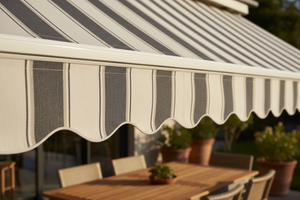

Replacing the fabric on your retractable awning can seem daunting, but it’s quite achievable with the right steps. In this article, we’ll guide you through how to replace fabric on retractable awning, from preparation to the final installation. Expect clear instructions and essential tips to make this project as straightforward as possible.
Key Takeaways
-
Preparation is essential for awning fabric replacement, including having the right tools and a clear workspace.
-
Accurate measurements of the old fabric are crucial to ensure a proper fit for the new awning fabric.
-
Hiring professionals is recommended for complex issues or significant damage to ensure proper installation and minimize errors.
Preparing for Awning Fabric Replacement
Preparation is key before replacing awning fabric. To make the process smoother and safer:
-
Have the right tools ready.
-
Ensure a clear, well-lit workspace.
-
Have a second person to assist, as handling the awning can be cumbersome and requires more than two hands for stability and safety.
-
Using protective gloves and safety glasses is recommended to ensure safety during the replacement of the awning fabric.
-
It is recommended to wear safety gloves and goggles during the fabric replacement process to protect against potential injuries.
Ensure your workspace is free from obstructions that could cause accidents and that all necessary tools are within reach. This preparation reduces the likelihood of errors and ensures a more efficient fabric replacement process.
Tools You’ll Need
You’ll need the following tools for a successful DIY project:
-
Screwdrivers
-
Pliers
-
A ladder
-
Clamps
-
A measuring tape Fabric-specialized scissors are also crucial for cutting the replacement awning fabric to the correct dimensions.
-
Gather a replacement fabric kit, a screwdriver or drill, and a utility knife for additional efficiency.
-
Ensure the replacement fabric is the correct size and type for the climate where it will be used.
-
Gather a replacement fabric kit, a ladder, a screwdriver or drill, measuring tape, and a utility knife or fabric scissors for the awning fabric replacement.
These tools will help you handle the awning material effectively and ensure the project proceeds smoothly.
Safety Precautions
Safety should always be a priority. A second person can support the frame during detachment to prevent strain and potential damage. Clamping or temporarily securing the awning arms maintains stability while you work.
These precautions protect both you and your awning, ensuring the process is conducted safely and efficiently.
Removing the Old Awning Fabric
Begin by opening the awning fully to lay the fabric flat, providing enough room to work and ensuring access to all parts. Safety remains paramount, so ensure you have the appropriate tools and assistance. Fully extend the awning to relieve spring tension before detaching it from the wall brackets. This step is crucial to prevent accidents and make the removal process smoother.
Carefully measure the old fabric’s length and width to ensure your new fabric will fit perfectly. Accurate measurements prevent purchasing the wrong size, avoiding additional costs and frustration.
Detach the Awning from the Wall
Loosen and remove the bolts or brackets that secure the awning to the wall using a wrench or appropriate tool. This step frees the awning from its mount, allowing you to lay it flat and proceed with the fabric replacement.
Ensure someone is holding the frame to prevent it from falling and causing damage.
Unroll and Secure the Arms
Lay the awning flat and fully extend it to access the roller and front bar. Secure the arms with clamps or straps to keep the frame steady, making it easier to handle the fabric and roller mechanism at the awning bar. Use clamps, zip ties, or pins to secure awning arms in place to prevent them from moving rapidly during the replacement process. Count the turns as you unspool a spring-loaded awning for retensioning later. Retension a spring-loaded awning by adding back the same number of turns counted during disassembly. Special care must be taken when using ladders and handling the awning's spring tension mechanism during the replacement process.
Remove Old Fabric Splines
Before removing the old fabric:
-
Check for any fraying that might snag during the process.
-
Carefully remove the splines holding the fabric edges in the fabric roller grooves.
-
Slide the old fabric out from both the roller and front bar channels.
-
With a helper, carefully remove the old fabric from the roller and front bars by sliding it out after removing any set screws and end caps. At least one helper is required to safely remove the old fabric and assist in feeding the new fabric into the channels.
-
To remove the retractable awning fabric, locate and remove the set screws that hold the fabric in place at the ends of the roller tube and front bar.
-
Clean the roller tube and channels thoroughly to prevent damage to the new fabric and ensure smooth operation.
-
If motorized, unplug the awning before beginning the replacement. Consider using a manual crank to unroll the fabric if the awning is not motorized to expose the fabric's slot in the roller bar.
This clears the way for installing the new fabric.
Measuring and Selecting New Awning Fabric
To ensure your new awning fits perfectly and meets your aesthetic and functional needs:
-
Use a metal tape measure to avoid stretching.
-
Record measurements in millimeters for accuracy.
-
Double-check your dimensions to avoid mistakes that could lead to purchasing the wrong fabric.
Consider the wide range of available materials, colors, and patterns when selecting new awning fabric. Quality and weather resistance are important to ensure your awning provides reliable shade and lasts for years. Consulting with professionals like Awnings of Dallas or Shading Texas can help you choose the best fabric for your needs. Ensure that the new fabric is made from a UV-stable material suitable for its environment, such as acrylic or polyester, to enhance durability and performance.
Measure Your Old Awning Fabric
Lay down and stretch out the old awning fabric to measure it. Measure from the middle of the arms for accuracy and record the dimensions twice to confirm.
Accurate measurements ensure the new fabric fits properly and prevents wrong purchases.
Choosing the Right Replacement Fabric
Consider the following when selecting replacement fabric:
-
Quality of the material
-
Your preferred colors
-
Weather resistance
-
Sun protection
These factors are crucial to ensure the fabrics’ longevity and effectiveness.
Select a fabric that complements the overall aesthetics of your outdoor space, enhancing its visual appeal.
Installing the New Awning Fabric
Installing the new awning fabric involves several steps:
-
Measuring the fabric
-
Cutting the fabric using specialized fabric-cutting scissors to match the specific shape of the old awning material
-
Sewing the fabric
-
Aligning the fabric correctly
-
When making your own panel, having heavy-duty sewing machine needles sized between 16/100 and 18/110 is recommended.
Proper alignment and securing the fabric with clamps during installation prevent shifting and ensure a straight, professional finish.
Attach binding to the valance and reinstall the fabric onto the awning frame, ensuring the new awning fabric fits appropriately and functions correctly once installed. Feed the new fabric into the roller and front bar channels, reattach the end caps and screws, and reinstall the awning to the wall. Center the new fabric on the roller tube and reinstall any end caps and screws to secure it in place. Replacement fabric should be pre-cut and ready for installation for easier application and a smoother process. To re-secure the roller tube, position it back into the awning arms with the help of a partner.
Regularly check the alignment and make adjustments to maintain smooth operation.
Feeding New Fabric into Channels
Wear non-slip footwear for stability. Feed the new fabric into the channels gently to insert and sew, avoiding damage to them.
Properly tuck the fabric into the channels to ensure it operates smoothly and aligns correctly during use.
Re-Tensioning and Securing the Arms
Re-tensioning the awning arms ensures smooth fabric retraction without sagging. Gradually apply tension to tighten and prevent fabric tear damage.
Secure the arms properly to maintain the awning’s secured structural integrity and functionality.
Final Alignment and Bolting
After installing the new fabric:
-
Fully extend and retract the awning two or three times to confirm correct operation.
-
Reattach the housing to the brackets.
-
Ensure all screws are tightened securely. Removal of temporary clamps and ties should be completed before operating the awning to check if it extends and retracts smoothly.
-
Fully extend and retract the awning two or three times to confirm correct operation.
-
Reattach the housing to the brackets.
-
Ensure all screws are tightened securely.
Replace the end cap and ensure it is screwed in place. Proper alignment is crucial to the awning’s operational efficiency and longevity.
Maintenance Tips for Longevity
Maintaining your awning fabric ensures its longevity and effectiveness. Key maintenance tips include:
-
Regular cleaning to prevent stains caused by dust and debris, reducing wear over time.
-
Proper alignment to avoid structural damage.
-
Avoiding placing heavy items on the awning to improve durability.
-
It's recommended to wash and rinse the awning fabric regularly to maintain its condition.
-
A fully enclosed awning cassette provides protection against sun bleaching and dirt buildup.
Using a silicone spray lubricant on metal parts enhances their longevity and prevents rust accumulation, which can lead to potential safety risks and structural failure. Following these maintenance tips ensures your awning remains in good condition for years.
Regular Cleaning Schedule
Clean your awning fabric twice a year by following these steps:
-
Use a mild detergent mixed with lukewarm water.
-
Apply the solution with a soft-bristle brush or sponge.
-
After cleaning, rinse thoroughly with a garden hose to remove any detergent.
Avoid harsh chemicals or power washers to prevent fabric damage.
Retract During Adverse Weather
High wind and heavy rain can damage both the fabric and the awning’s structure. Retracting the awning during adverse weather conditions prevents potential damage and costly repairs. Ensuring the awning is retracted during storms maintains its longevity and functionality. Wind sensors can be used to automatically retract the awning during high winds to prevent damage.
Preventing Mold and Mildew
Moisture is the main cause of mildew in awning fabric. If your awning fabric becomes wet from a rainstorm, extend the awning later to air it out. Regular cleaning helps prevent mold and mildew buildup.
Mildew-resistant treatments can protect the fabric from deterioration.
When to Call a Professional
While many aspects of awning fabric replacement can be handled as a DIY project, there are times when calling a professional is necessary. Faded or ripped fabric, large holes, and other significant damages often require professional replacement. Professionals have the expertise to handle complex issues and ensure the job is done correctly to replace awning fabric.
Hiring professionals like those from Awnings of Dallas ensures the job is completed efficiently and to a high standard. Their experience minimizes errors and ensures proper techniques and materials are used, enhancing the longevity of the awning fabric. Professional help can ensure a more accurate and quicker installation compared to DIY.
Identifying Complex Issues
Large holes in the awning fabric indicate the need for a complete replacement. When addressing this issue, consider the following:
-
Assess whether you need to change just the fabric or the entire awning.
-
Consider your comfort level with heights.
-
Evaluate your ability to complete the necessary repair tasks before attempting repairs.
Incorrect measuring can ruin the new fabric, requiring a new purchase, so hiring professionals is recommended if you are uncertain.
Benefits of Hiring Experts
Professionals are equipped to handle the complexities and nuances of awning fabric replacement. Using an experienced professional minimizes the risk of errors during installation and ensures proper techniques and materials are used, enhancing the longevity of the awning fabric.
Summary
Throughout this guide, we’ve covered the essential steps for replacing your retractable awning fabric, from preparation and removing the old fabric, to measuring, selecting, and installing the new fabric. We’ve also highlighted the importance of regular maintenance to ensure the longevity of your awning.
Taking on this DIY project can save money and provide a sense of accomplishment. However, knowing when to call a professional is crucial to avoid costly mistakes and ensure the best results. With these insights, you’re now ready to give your outdoor space a fresh, new look with a reliable and durable awning.
Where to Find Quality Awning Fabrics and Retractable Awnings
When selecting new material for your retractable awning, it’s important to choose high-quality fabrics and hardware to ensure your awning is durable and offers reliable shade for your outdoor area. For a wide range of awning fabrics and accessories, consider visiting Factory Fast's retractable outdoor awning collection, which offers a variety of options suitable for different styles and needs.
If you're interested in upgrading your outdoor space with a complete retractable awning system, Factory Fast also provides retractable and automatic motorized awnings that combine convenience and style, providing longer lasting sun protection and enhancing your patio or RV outdoor area.
Frequently Asked Questions
What tools are necessary for replacing awning fabric?
To replace awning fabric, you will need screwdrivers, pliers, a ladder, clamps, a measuring tape, and fabric-specialized scissors for cutting. Having these tools on hand will make the process more efficient.
How often should I clean my awning fabric?
You should clean your awning fabric twice a year using a mild detergent and lukewarm water, employing a soft-bristle brush or sponge for best results. Avoid harsh chemicals or power washers to ensure the longevity of the fabric.
When should I retract my awning?
You should retract your awning during adverse weather conditions, such as high winds and heavy rain, to avoid potential damage and costly repairs.
What are the signs that I need to replace my awning fabric?
If your awning fabric is faded, ripped, has large holes, or shows significant wear and tear, it’s time to consider a replacement. Typically, awning fabric should be replaced every 10-15 years. Mold and mildew can develop on wet awning fabric, which may require replacement.
Why should I hire a professional for awning fabric replacement?
Hiring a professional for awning fabric replacement ensures high-quality installation and reduces the risk of errors, significantly enhancing the durability and performance of your awning. Their expertise guarantees that the right materials and techniques are employed for optimal results.
-
 Tags:
Awning
Motorised Awning
Tags:
Awning
Motorised Awning