1300 760 441
 cs@factoryfast.com.au
How to Choose Storage Shelves for a More Organised Home
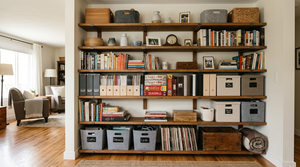

Choosing the right storage shelves starts with one simple question: what needs to live on the shelves every day? A shelf that works beautifully in a pantry can feel too light for the garage, while a heavy-duty unit in a study can take up more visual space than you really need. When you match the shelf to the load, room size and access pattern, the whole area becomes easier to use.
Start with the job the shelving units need to do
Decide which items need easy access first and which can be stored less conveniently before choosing shelf depth or layout for bulky boxes, small pantry items, tools, paperwork or frequently used household supplies. The right answer changes the shelf shape you need. Deep shelves are useful when you want to park larger tubs and cartons, while shallower shelves are easier to live with in narrow laundries, corridors and small home offices where every centimetre matters.
It also helps to think about visibility. Open shelving works well when you want to see everything at a glance. That is especially useful for garages, workshops and utility areas where fast access matters more than a concealed look.
Choose the material around the environment
Material choice changes both performance and feel. Steel is the standard choice for heavier storage because of its durability and load-bearing strength, while wire shelves create a lighter look and make it easier to see what is stored on each level. If you are comparing sturdy garage options, the 2 x 1.8M Garage Shelving Warehouse Rack is the kind of unit constructed for stronger support and generous vertical storage.
For spaces where airflow, lighter sightlines and easier repositioning matter, a wire unit can be the smarter choice. The Modular Wire Storage Shelf 900 x 450 x 1800mm is a good example of shelving that can work across a garage, kitchen, office or workshop without feeling overly bulky.
Measure width, depth and height before you compare products
A shelving unit can look perfect online and still feel awkward once it lands in the room if the depth blocks a walkway or the height crowds a window. Measure the floor area first, then measure the tallest and widest items you plan to store. Check the weight capacity per shelf, not just the overall size of the unit. It is also smart to choose shelves rated for around 20% to 30% more weight than you expect to store. After that, think about reach. Top shelves are best for items you do not need every day, while everyday essentials should sit somewhere between waist and shoulder height, around eye level, for easier grab-and-go use.
If you are building out a tighter utility zone, the 120 x 40 x 183cm Metal Garage Shelving Rack shows why overall proportions matter. A slightly narrower footprint can help when you want strength without swallowing the room.
Match shelf style to the load, not just the room
People often buy shelving based on the room name alone, but the stored items matter more. A garage shelf holding paint tins, hardware and power tools needs a different level of stability from a pantry shelf holding cereal containers and serving platters. Likewise, a home office shelf may need more flexibility for books, document boxes and devices than a fixed garage rack.
A practical way to choose is to first audit your items by weight and size, then sort them into three groups: heavy and dense, medium-weight everyday items, and light display or overflow storage. Once you do that, the right shelf type usually becomes obvious. Heavy items call for a stronger structure. Put the heaviest items on the lower shelves for a more stable centre of gravity and to keep items safe. Everyday household items often benefit from adjustable shelves. Lighter items can live on units chosen more for convenience and visual neatness.
Look for adjustability in versatile storage solutions if your storage changes often
Storage rarely stays exactly the same, so the best storage systems are adaptable enough to accommodate changing needs without constant reworking. That is why adjustable shelves are so useful, especially when they support daily life by fading into the background instead of demanding constant adjustment. Wire shelving in particular can be handy when you want to rework shelf height as your setup changes. On the Modular Wire Storage Shelf 900 x 450 x 1800mm page, the adjustable shelf format makes it easier to shift from pantry overflow to tool storage or office supplies without starting over.
That flexibility is worth paying attention to if the shelf will sit in a multipurpose space like a laundry, spare room or mixed-use garage. It gives you more options later and helps the unit keep working, and stay easy to maintain, as your household changes.
Plan the layout around movement, not just capacity
A shelf can hold plenty and still be inconvenient if it ignores movement and function, blocks doors, makes the room feel cramped or turns daily access into a stretch-and-reach routine. Leave enough room to step in, open nearby doors and carry boxes without bumping corners. In narrow spaces, one well-chosen shelf against the wall often works better than trying to squeeze in multiple units. The best storage solutions tend to blend into the background, so they do not draw attention or add visual clutter in the house.
If you are still comparing formats, start from the main Storage Shelves collection and shortlist shelves based on room depth, item type and whether you need open visibility or heavier-duty support. That keeps the decision practical instead of getting distracted by appearance alone. Also consider overlooked location options such as above doors, under-bed storage and furniture with drawers or hidden compartments, rather than trying to fill every visible area.
Common storage shelf buying mistakes to avoid, like creating a dumping ground
The most common mistake is choosing a shelf that is too deep for the room. The second is underestimating what will actually be stored on it. Freestanding shelving units can also be a convenient choice in garages or basements because they are easier to rearrange later. Another easy miss is forgetting the items you buy later. If the shelf will quickly become overflow storage for new purchases, seasonal supplies or hobby gear, a little extra flexibility now can save you replacing it later.
It is also worth avoiding storage units that only solve half the problem. If your real issue is messy access, choose an open shelf with a clear function so it does not become a dumping ground. If your issue is weight and clutter, choose one that feels structurally suited to the job from day one and helps keep the area neat.
The right shelf should make the room easier to use and reduce visual clutter
Good shelving does more than create storage: it should store items well while improving movement, making everyday things easier to find and helping a room feel calm and functional. Whether you need a heavier garage rack, a lighter wire unit for baskets or simple accessories, or a general household shelf, the best choice is the one that suits your actual items, available space and daily routine.
If you are ready to narrow it down, browse the Storage Shelves collection first, then compare practical formats like the 2 x 1.8M Garage Shelving Warehouse Rack and the Modular Wire Storage Shelf 900 x 450 x 1800mm to find the fit that supports your routine without becoming a visual focal point on paper or in real use.
 Tags:
Tags: