1300 760 441
 cs@factoryfast.com.au
Foam Rollers Buyer Guide: How to Choose the Right Roller for Pilates, Recovery and Home Fitness
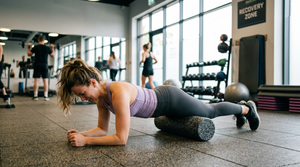

A foam roller looks simple until you start comparing firmness, texture, size, storage and how it will actually be used in a home routine. The right choice should feel easy to use before and after exercise, firm enough to provide useful pressure, and compact enough that it does not become another piece of fitness gear left in the corner.
Factory Fast’s foam rollers sit within a wider yoga, Pilates and home fitness range, so the best roller is not only about massage-style use. It is about how the roller supports stretching, warm-ups, floor work, mobility drills and the practical rhythm of exercising at home.
What a foam roller is best used for
Foam rollers are commonly used as a self-massage and mobility tool. They can support warm-ups, cool-downs, stretching routines and general muscle-release work after training. For buyers, the important question is not whether a roller is useful, but whether the size, firmness and surface suit the way it will be used.
A Pilates user may want a roller that is compact, easy to move around the mat and steady enough for controlled floor movements. A home gym user may want something that fits beside other equipment and is easy to reach after strength training. Someone buying their first recovery roller may care more about manageable pressure and simple storage than advanced exercise variety.
Start with your main use case
For Pilates and stretching
If the roller will mostly be used with Pilates, mat work or stretching, choose a format that is easy to position and does not crowd the mat. A 45 x 15 cm roller gives enough surface for common lower-body and back-positioning work while staying compact for home storage. Pairing it with suitable yoga and Pilates mats can also make floor-based movements more comfortable.
For post-workout recovery
For post-workout use, firmness and surface texture matter more. A high-density roller gives a more direct feel than a very soft roller, while a textured surface can help the roller stay in place against clothing and flooring. The goal is controlled pressure, not the hardest product available.
For small-space home fitness
Australian homes often require fitness gear that packs away easily. A shorter roller is practical if it will live in a cupboard, under a bench or beside a mat rather than in a dedicated gym space. The confirmed live 45 x 15cm orange foam roller is a useful example: it is 45 cm long, 15 cm in diameter, made from high-density EVA foam, textured for grip, water and moisture resistant, and priced at $19.96 at the time of checking.
Size and density: the two details buyers should not skip
Why length changes how the roller feels
A longer roller can suit broader positioning, but it takes more storage space and can feel excessive for short home sessions. A compact roller is easier to move around a mat, carry between rooms and use for targeted work. For many shoppers, 45 cm is a practical middle ground because it is substantial enough for common exercises without becoming bulky.
Why density affects control
Density determines how much the roller compresses under body weight. High-density EVA foam is designed to hold its shape better than softer foam, which matters if the roller will be used regularly. A firmer roller may feel more intense, so beginners should approach pressure gradually and focus on controlled movement rather than forcing body weight onto one spot.
Texture, grip and surface finish
A smooth roller can feel simpler under the body, while a textured roller adds traction. Texture is useful when the roller is being used on mats or hard flooring because slipping can interrupt the movement. It can also give the user clearer feedback as they roll slowly across larger muscle areas.
Water and moisture resistance are practical ownership details. A roller used around home workouts may be handled after exercise, placed on the floor and stored with other gear. A surface that is easier to wipe down is more likely to stay in regular use.
How foam rollers fit with the rest of a Pilates setup
A foam roller is not a replacement for a mat, balance tool or reformer. It works best as part of a small, practical kit. Start with the floor surface, then add the accessory that supports the movement style you do most often.
For mat-based stretching, browse yoga and Pilates equipment alongside rollers so the setup supports balance, cushioning and storage. If your routine is moving from basic stretching into stability work, the confirmed live Pilates wobble board adds a compact 41 cm balance challenge without taking over the room.
Common buying mistakes
Choosing by colour before function
Colour is useful for matching a home setup, but material, size and texture do more for the workout. If two rollers look similar, compare the dimensions, foam type and surface before choosing.
Buying too large for the space
A roller that is awkward to store is less likely to be used. Before buying, decide where it will live after each session. If the answer is “wherever it fits”, a compact roller is usually the more realistic choice.
Expecting one accessory to cover every exercise
A foam roller supports mobility and recovery-style routines, but it does not create the same training effect as balance boards, resistance equipment or reformers. Build the home setup around the exercises you will actually repeat.
Buying checklist for foam rollers
Choose a foam roller that matches your routine first, then your storage space. For Pilates and home stretching, look for manageable length, enough diameter for comfortable positioning, a surface that grips well, and material that keeps its shape. For general recovery after strength or cardio workouts, a high-density roller can offer a firmer, more consistent feel.
Before adding one to cart, compare the roller with adjacent Factory Fast fitness categories. The foam rollers collection is the natural starting point, while sports and fitness equipment can help you decide whether your next purchase should support recovery, strength, balance or a fuller home gym setup.
The final decision prompt
If you are unsure which roller suits you, think about the first minute after your workout. If you want something you can pull out quickly, use on a mat, wipe down and store without rearranging the room, a compact high-density EVA roller is likely the cleaner fit than a larger accessory you need to plan around.
Frequently Asked Questions
-
 Tags:
Foam Rollers
Tags:
Foam Rollers