1300 760 441
 cs@factoryfast.com.au
Corner Shower Screens Buyer Guide: Sizes, Layouts and Hardware Choices
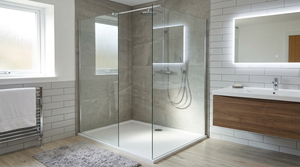

A corner shower screen can make a compact bathroom feel planned rather than squeezed in, but only if the size, door movement and hardware suit the room. The mistake many buyers make is treating the screen as a style choice first. In practice, the best corner shower screen starts with the footprint, then the opening direction, then the finish.
Factory Fast’s wider shower screens collection includes layouts for different bathroom shapes, but corner shower screens are especially useful when the shower needs to sit neatly into unused floor space. They can suit ensuites, family bathrooms and renovation projects where a wall-to-wall shower is not practical.
Start With the Corner Footprint
The first decision is whether the shower area can comfortably support a square or rectangular enclosure. A 900mm corner format is often used where space is limited, while larger options can work where the bathroom has more open floor area.
Do not measure only the tray or tiled base. Check the wall-to-wall position, the available entry space and nearby fixtures. A vanity, toilet, towel rail or inward-opening bathroom door can all affect whether the screen feels easy to use once installed.
When a 900mm Corner Screen Makes Sense
A 900mm corner screen suits bathrooms where the shower needs a compact, clearly defined footprint. The verified in-stock 90x90cm corner frameless shower screen with gunmetal hardware uses 10mm tempered glass, a 280 x 2000mm hinged panel, a 610 x 1990mm door panel, brushed gunmetal wall channels and stainless steel hinge hardware.
That type of configuration is best considered when the buyer wants a modern corner layout with a more open glass-heavy look. It also shows why product-level measurements matter: the overall size is only part of the decision, because panel widths and hinge movement affect daily access.
When a Framed Pivot Screen Is More Practical
A framed pivot design can be the better choice when a buyer wants more visible structure and straightforward water control. The verified in-stock 900x900x1900mm framed pivot shower screen in chrome includes 8mm tempered glass, a chrome-finished frame, magnetic seals, reversible panels and 20mm adjustment on both wall sides.
That adjustment can matter in renovation settings where walls are not perfectly even. A framed profile can also suit bathrooms where the surrounding tapware and fittings already use chrome.
Choose the Door Movement Before the Finish
Corner shower screens often use a pivot or hinged opening. That can feel generous in use, but it needs clear space outside the enclosure. Before choosing a corner screen, mark the likely door swing on the floor and check whether it interrupts the vanity, toilet, bath edge or towel rail.
If swing clearance is tight, compare the layout with sliding shower screens. A sliding design keeps the door movement inside the shower footprint, which can be useful in narrow bathrooms.
Compare Frameless, Semi-Frameless and Framed Looks
A frameless corner shower screen creates the lightest visual effect. It lets tiles show through, reduces heavy lines and can make a smaller bathroom feel less boxed in. For buyers prioritising a clean renovation look, frameless shower screens are often the natural comparison point.
Semi-frameless styles sit between open glass and framed structure. They can suit buyers who want a neater look than a full frame but still prefer visible support. Framed screens make the enclosure more defined and may suit busy bathrooms where practical containment matters more than a minimal look.
Match Hardware Finish to the Whole Bathroom
Hardware finish should not be chosen in isolation. Chrome can work well when the tapware, shower head and towel rails already lean classic or neutral. Black can sharpen a modern bathroom. Gunmetal can add depth without looking as stark as black, while gold is usually strongest when other fittings repeat that warmer tone.
The finish should also match how much cleaning effort the buyer is comfortable with. Darker and warmer finishes can be striking, but water marks may be more noticeable if the bathroom has hard water or poor ventilation.
Check Glass Thickness and Support Details
Factory Fast corner options include tempered glass in different thicknesses depending on the product. Thicker glass can create a more substantial feel, but the hardware, hinge type, wall channel and installation surface still need to suit the panel weight.
Look closely at details such as wall channels, brackets, hinge specifications, handle design, seals and adjustment range. These are not background details. They influence stability, cleaning access and whether the screen can be fitted neatly in the actual bathroom.
The Best Corner Screen Is the One That Fits the Room’s Movement
Before ordering, stand in the bathroom and run through the real movement pattern: stepping in, reaching for the mixer, opening the door, reaching for a towel and cleaning the glass. If any of those actions feel awkward in the marked-out footprint, the screen may look right online but feel wrong every morning
Frequently Asked Questions
Related Articles
-
 Tags:
Corner Shower Screens
Tags:
Corner Shower Screens