1300 760 441
 cs@factoryfast.com.au
Can Retractable Awnings Withstand Wind and Rain? Here's What You Need to Know
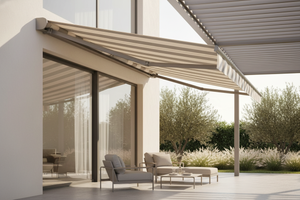

Can retractable awnings withstand wind and rain? The short answer is: it depends. This article will show you what affects the durability of retractable awnings in bad weather, including wind speeds, construction materials, and smart features like wind sensors. You’ll also find tips on choosing the right materials and maintaining your awning. While retractable awnings may come at a higher upfront cost due to their technology and materials, they offer longevity and energy-saving benefits, making them a worthwhile investment. By helping to regulate indoor temperatures and minimizing the need for heating and cooling, retractable awnings can significantly reduce overall energy consumption.
Key Takeaways
-
Retractable awnings are versatile and enhance outdoor living by providing shade and rain protection but require proper setup and maintenance to withstand bad weather.
-
Awning wind resistance is vital; they can handle winds up to 38 km/h but should be retracted in severe winds to prevent damage, with wind sensors offering added protection. Standard retractable awnings can safely withstand winds up to 29-38 km/h (Beaufort scale level 5).
-
Choosing the right fabric and ensuring proper pitch, like using waterproof materials and maintaining a 15-30 degree angle, are essential for effective rain protection.
Understanding Retractable Awnings
Retractable awnings are designed to provide shelter from bad weather and enhance outdoor experiences, making them a valuable addition to any home. They serve to provide shade and protection from heat, transforming outdoor spaces into usable areas year-round. Whether you’re looking to create an inviting atmosphere for outdoor dining or a shaded retreat for relaxing, retractable awnings offer the flexibility and convenience homeowners desire.
One of the significant advantages of retractable awnings is their versatility. They can be:
-
Operated manually or motorized, providing immediate shade and protection on warm summer days.
-
Motorised retractable awning offer the convenience of automatic retraction, which is especially useful in changing weather conditions. Motorized versions of retractable awnings offer convenience through push-button control and automation features.
-
Folding arm awnings, a type of retractable awning, provide coverage without requiring a permanent structure, making them an excellent choice for those who prefer a non-invasive installation. Additionally, manual awnings are a great option for those who enjoy hands-on control, as they are typically operated using a hand crank, allowing for easy adjustment without electricity.
Available in a variety of materials, styles, designs, and colors, retractable outdoor awnings can be tailored to match the aesthetic of any home. They also protect furniture and outdoor furnishings from UV damage by helping to block harmful UV rays, preventing fabric fading and deterioration, and extending the life of your outdoor investments. With the best retractable awnings, you can enjoy outdoor living to its fullest, creating comfortable and stylish spaces for entertaining and relaxation.
Explore Factory Fast’s retractable outdoor awning collection for a diverse selection of awning fabrics and accessories, providing options to suit various styles and requirements.
Assessing Wind Resistance in Retractable Awnings
Understanding the wind resistance of retractable awnings is crucial for ensuring their longevity and performance. Key points include:
-
Retractable awnings are designed to handle various wind speeds.
-
They can sustain damage if left extended during storms.
-
Most retractable awnings can handle winds up to 29-38 km/h, categorized as a fresh breeze (Beaufort scale level 5), at which small trees begin to sway—providing a useful visual reference for wind conditions.
-
Beyond this wind speed, the risk of damage increases.
Proper installation, including securing the awning firmly, is essential to withstand adverse weather conditions.
Importance of Wind Sensors
Wind sensors play a vital role in protecting retractable awnings from strong winds. These sensors automatically retract the awning when wind speeds exceed preset limits, preventing potential damage and extending the lifespan of the awning. This feature is particularly beneficial in areas prone to sudden weather changes, as it ensures the awning is safely retracted without the need for manual intervention.
Wind sensors help mitigate structural damage risks by automatically retracting the awning in high winds to withstand winds. This timely response not only protects the awning itself but also safeguards other outdoor furnishings and structures from being affected by a compromised awning.
Investing in wind sensors is a practical way to enhance the durability and functionality of your retractable awning.
Frame Strength and Material
The strength and material of the awning frame are critical factors in determining its ability to withstand strong winds. Typically, retractable awning frames are constructed from durable materials such as aluminum or steel. These high-quality materials provide the necessary strength to resist bending or snapping under wind pressure, ensuring the awning remains functional and intact. The front bar, as a key structural component, also contributes significantly to the overall stability and durability of the awning. The frame material also impacts how well an awning can withstand rain, with durable metals like aluminum and steel being more effective.
Additionally, assessing the structural integrity of the installation site is crucial for safety:
-
A weak frame or an improperly secured installation can lead to significant damage during high winds.
-
Enhancing wind resistance requires choosing steel or aluminum frames.
-
Ensuring professional installation is essential.
Recommended Wind Speeds for Use
Retractable awnings are generally rated to handle how much wind speeds up to 38 km/h for safe use. This wind speed is equivalent to a fresh breeze, where leaves and small twigs are in constant motion. Operating the awning within this limit ensures it can withstand the elements without sustaining damage.
For higher wind speeds, it is advisable to retract the awning during high wind to prevent potential damage.
Evaluating Rain Protection Capabilities
Retractable awnings are designed to protect against rain, making them a practical addition to outdoor spaces. They provide effective rain protection by using weather-resistant fabrics and proper installation techniques. The choice of fabric plays a significant role in how well the awning can handle rain, with retractable awnings waterproof technology enhancing its effectiveness—waterproof options are especially important for protection during heavy rainfall. Additionally, the drainage systems built into modern awnings help channel water away from the fabric and frames, reducing wear and tear.
Enhancing rain protection involves ensuring the correct pitch angle, using water-repellent materials, and incorporating built-in drainage systems. These features allow retractable awnings to adapt to various weather conditions, providing shielding during light rain and ensuring that rainwater does not pool on the fabric. They are designed to provide reliable protection in a range of outdoor conditions, including sun, rain, and wind.
Water-Resistant vs. Waterproof Fabrics
Choosing the right fabric for retractable awnings is crucial for effective rain protection. Waterproof fabrics, like PVC-coated polyester, completely block water, making them ideal for continuous heavy rain. On the other hand, water-resistant fabrics, such as acrylic, repel some water but are not entirely waterproof, making them more suitable for light rain.
While water-resistant materials like acrylic can perform well in light rain, they may become saturated when exposed to long periods of rain. Therefore, for areas with frequent heavy rain, opting for water resistant material fabrics that repel water is a better choice to ensure maximum protection from the elements.
Ideal Awning Pitch for Rain
The correct installation pitch for retractable awnings is usually between 15 to 30 degrees to allow proper drainage. This slant ensures that rainwater runs off the awning efficiently, preventing water pooling and reducing the risk of damage. Adjusting the angle of the awning is crucial for maintaining its functionality and longevity in rainy conditions.
Factors such as the size of the awning and the intensity of rain can influence the ideal pitch angle. Ensuring the awning is positioned with enough slant for effective water runoff is an essential step in optimizing rain protection and extending the life of the awning.
Drainage Systems and Maintenance
A well-designed drainage system is a key feature that helps most retractable awnings perform reliably in a variety of weather conditions, especially in outdoor spaces that experience heavy rain. Retractable awnings are typically installed with a slight pitch, allowing rainwater to run off the fabric rather than collect and cause water pooling. Many high-quality models go a step further, incorporating integrated drainage channels or discreet gutters that direct water away from both the awning and your outdoor living area, helping to protect your investment and maintain a comfortable environment.
To keep your retractable awning functioning at its best, regular maintenance of the drainage system is essential. Over time, leaves, dirt, and debris can accumulate in the channels or gutters, potentially leading to blockages that prevent proper water runoff. By routinely checking and cleaning these drainage components, you can help preserve the awning’s water resistant properties and prevent issues like fabric stretching, tearing, or even frame damage during heavy downpours.
In addition to maintaining the drainage system, it’s important to inspect the awning fabric and frame after exposure to harsh weather conditions. Look for signs of wear, such as fading, small tears, or weakened water resistant material, and ensure the frame remains secure and able to withstand strong winds. Addressing minor issues early can help your awning continue to provide reliable weather protection and shade for your outdoor entertaining area year round.
Many of the best retractable awnings now feature advanced technology, such as wind sensors and automatic retraction systems. These smart features can detect high wind speeds or sudden changes in weather, automatically retracting the awning to prevent damage from strong winds or severe weather conditions. This not only protects your awning but also gives you peace of mind, knowing your outdoor space is safeguarded even when you’re not at home.
Proper installation is another crucial factor in ensuring your awning’s drainage system works as intended. A professional installation will take into account the unique characteristics of your outdoor area—such as slope, orientation, and exposure to the elements—to ensure water runs off efficiently and doesn’t pool on the fabric. This attention to detail helps maintain the awning’s water resistant performance and reduces the risk of damage from heavy rain or high wind.
For ongoing care, clean the awning fabric regularly with a gentle soap solution and a soft brush to remove dirt and debris, which can affect water resistance over time. Avoid harsh chemicals or abrasive tools that could damage the fabric or compromise its protective coating. Periodically inspect the frame and drainage system for any signs of wear or blockages, and address any issues promptly to ensure effortless operation and long-term durability.
By investing in a retractable awning with a reliable drainage system and following a simple maintenance routine, you can enjoy your outdoor living space in comfort and style, no matter the weather. With the right care, your awning will continue to provide shade, weather protection, and aesthetic appeal for your outdoor area, making it a practical solution for year round enjoyment.
Pros and Cons of Using Retractable Awnings in Adverse Weather
Using retractable awnings in adverse weather comes with its own set of pros and cons. While they provide excellent protection from the elements and enhance outdoor living spaces, they are especially effective at shielding against harsh sun, making outdoor areas more comfortable for dining and relaxing. However, they may not perform well in areas with frequent storms or heavy rain. Additionally, a retractable roof can offer similar benefits for those looking to maximize their outdoor experience.
Understanding these pros and cons will help you decide if a retractable awning is the best fit for your outdoor space.
Benefits of Retractable Awnings
Retractable awnings provide a wide range of advantages, making them a favored option for upgrading outdoor areas:
-
They reduce indoor heat by providing shade, helping to regulate indoor temperatures and potentially lowering energy costs by reducing reliance on air conditioning systems. By blocking the sun's rays, retractable awnings help keep interiors cooler and more comfortable.
-
They make outdoor areas comfortable and usable year-round.
-
They are designed to handle rain with weather-resistant fabrics.
-
Some models have integrated water management systems, ensuring you stay dry during unexpected showers.
Motorised outdoor blinds provide convenience, energy efficiency, and aesthetic appeal, allowing you to fine-tune shade and temperature control with ease using a remote control. With features like UV protection and tear resistance, acrylic-coated polyester fabrics are highly recommended for their durability and weather resistance. Motorised awnings can also enhance your outdoor space, potentially reducing energy bills.
Whether you’re looking to create a cozy reading corner or a shaded dining area, retractable awnings can significantly enhance your outdoor living space experience.
If you’re looking to enhance your outdoor space, Factory Fast offers complete retractable awning systems, including automatic motorized awning options that blend convenience with style, delivering durable sun protection and elevating your outdoor area.
Drawbacks in Heavy Rain and Strong Winds
Despite their many benefits, retractable awnings have some limitations when it comes to severe weather conditions:
-
They are not designed to handle heavy downpours, making them susceptible to damage if left extended during such conditions.
-
They can be used in light to moderate rain.
-
It is recommended to retract the awning during severe rain to prevent water pooling and potential damage. Retractable awnings can sag or stretch if rainwater pools on the fabric, so proper drainage is essential.
Retractable awnings face risks during strong winds, which can lead to structural failure if the awning is deployed. To minimize these risks:
-
Retract the awning during severe storms.
-
Ensure the pitch angle is correctly set to avoid water pooling.
-
Conduct regular inspections and maintenance to identify and address issues before they lead to significant damage.
Choosing the Right Fabric for Weather Resistance
Selecting the right fabric for your retractable awning is essential for ensuring weather resistance and durability. Choosing the appropriate fabric can also help minimize heat transfer, keeping indoor and outdoor spaces cooler during hot weather. Fabrics like vinyl-polyester and PVC-coated textiles are considered waterproof and highly effective in rainy weather, while acrylic-coated polyester offers excellent tear resistance and UV protection.
Understanding the properties of different fabrics can help you choose the best option for your specific weather conditions.
Acrylic-Coated Polyester
Acrylic-coated polyester is a preferred choice for retractable awnings due to:
-
Its durability and weather resistance
-
Tear resistance, making it robust for outdoor use
-
Resistance to water penetration
-
UV protection, ensuring the awning remains functional and attractive over time
Combining durability, water resistance, and UV protection, acrylic-coated polyester is an ideal choice for those seeking a long-lasting and reliable fabric for their retractable awning.
PVC-Coated Fabrics
PVC-coated fabrics are highly durable and perform exceptionally well in various weather conditions, making them a popular choice for retractable awnings. These fabrics are waterproof, offering excellent protection against rain and moisture. Moreover, PVC-coated fabrics are easy to clean, ensuring that they maintain their appearance and functionality over time.
Due to their durability and weather resistance, PVC-coated fabrics are ideal for areas with harsh weather conditions, providing reliable protection from the elements.
Solution-Dyed Acrylic
Solution-dyed acrylic is another excellent fabric choice for retractable awnings due to its resistance to fading and staining. This fabric ensures long-lasting color retention and is highly water-resistant, making it suitable for various weather conditions. Solution-dyed acrylic combines durability with aesthetic appeal, making it a popular choice for outdoor applications.
Choosing solution-dyed acrylic for your retractable awning ensures that it remains attractive and functional, even in challenging weather conditions.
Installation Tips for Enhanced Durability
Proper installation is critical for enhancing the durability and performance of retractable awnings. Professional installation is recommended to ensure secure mounting and optimal functionality.
Using high-quality, weather-resistant materials for the frame and fabric can significantly improve the awning’s ability to withstand harsh weather conditions. Water resistant awnings can enhance this durability.
Professional Installation
Professional installation is crucial for ensuring the secure mounting of retractable awnings, which enhances their longevity and performance. Important factors to consider during installation include:
-
Assessing the size of the outdoor area
-
Considering exposure to elements to ensure proper positioning and securing of the awning
-
Choosing lightweight materials like acrylic-coated polyester to facilitate easier handling and installation.
By opting for professional installation, you can ensure that your retractable awning is set up correctly, providing reliable protection and functionality for years to come.
Regular Maintenance
Regular maintenance is essential for extending the lifespan and maximizing the efficiency of retractable awnings. Recommended practices include regular washing of the fabric to remove dirt and debris and inspecting the frame for signs of rust or wear. Cleaning retractable awnings with a gentle soap solution is effective for removing dirt and debris. Addressing any issues promptly can prevent more significant damage and ensure the awning remains in good working condition.
By incorporating regular maintenance into your routine, you can keep your retractable awning looking and performing its best, providing reliable protection from the elements year-round, ensuring effortless operation.
Enhancing Outdoor Spaces with Retractable Awnings
Retractable awnings are a fantastic way to enhance outdoor spaces, offering both practical and aesthetic benefits. These awnings can adapt to shifting weather conditions, providing shade when needed and retracting during storms to avoid damage. This flexibility allows homeowners to enjoy their outdoor spaces throughout the year, regardless of the weather. High-quality retractable awnings typically last over 20 years with proper maintenance, making them a durable and reliable choice for outdoor living.
By creating shaded areas, retractable awnings transform patios, decks, and gardens into functional outdoor living spaces. They can be used to create intimate dining setups, cozy reading corners, or even serve as a backdrop for outdoor movie nights. Integrating retractable awnings with pergolas or other structures can further enhance the versatility and usability of outdoor spaces.
Beyond their practical uses, retractable awnings also add visual appeal to outdoor areas. They can effectively separate different zones in a backyard, adding both style and functionality. Whether for entertaining guests or enjoying a quiet afternoon, retractable awnings create inviting and comfortable outdoor environments. The combination of shade and airflow under an awning can generate a gentle breeze, enhancing comfort on hot days.
Alternative Options for Extreme Weather Conditions
While retractable awnings are excellent for moderate weather conditions, they may not be suitable for areas with extreme weather. In such cases, exploring alternative shading options can be beneficial. Folding arm awnings are adaptable and can be extended for sun and light rain coverage while retracting to maintain an open space, including a fixed or retractable awning. Ultra Premium models of retractable awnings can withstand winds up to 39-49 km/h (Beaufort scale level 6), offering enhanced durability in challenging conditions.
For areas prone to high winds and heavy rain, more robust solutions like fixed awnings or pergolas with integrated shade systems might be more appropriate. These alternatives offer enhanced durability and stability, ensuring reliable protection from the elements.
Incorporating wind sensors and using high-quality, weather-resistant materials can further enhance the performance and longevity of these outdoor shade solutions. By choosing the right outdoor shading option, homeowners can create shade and enjoy comfortable and protected outdoor spaces even in the most challenging weather conditions, while also benefiting from the sun’s rays and ensuring weather protection.
Summary
Retractable awnings provide flexible and stylish solutions for enhancing outdoor living spaces, offering protection from sun and light rain. However, their performance in severe weather conditions depends on factors such as wind resistance, fabric choice, and proper installation. By understanding these elements and incorporating features like wind sensors and high-quality materials, homeowners can maximize the benefits of retractable awnings. For extreme weather conditions, alternative shading options should be considered to ensure durability and protection. Investing in the right awning solution will create inviting and functional outdoor spaces, allowing enjoyment throughout the year.
Frequently Asked Questions
Are retractable awnings rain proof?
Retractable awnings can manage light rain, but they're not built for heavy downpours, so it's best to retract them during severe weather to avoid damage. Keep your awning dry for optimal performance!
Can retractable awnings withstand strong winds?
Retractable awnings can typically withstand winds up to 29-38 km/h, but it's best to retract them in stronger winds to avoid damage. Keeping them safe from high winds is the way to go!
Are retractable awnings waterproof?
Retractable awnings can be waterproof if made with materials like PVC-coated polyester, but those made from water-resistant fabrics like acrylic may not hold up in heavy rain. So, it's essential to check the fabric type when considering their rain protection.
How should retractable awnings be maintained?
To keep your retractable awning in great shape, wash the fabric regularly to clear away dirt and check the frame for any signs of rust or wear. This simple upkeep will help it last longer and perform better.
What is the ideal pitch for a retractable awning to handle rain?
To handle rain effectively, aim for a pitch of 15 to 30 degrees for your retractable awning. This angle ensures proper runoff and keeps water from pooling on top.
-
 Tags:
Awning
Motorised Awning
Tags:
Awning
Motorised Awning