1300 760 441
 cs@factoryfast.com.au
5 Common Mistakes When Buying Retractable Awnings (And How To Fix Them)
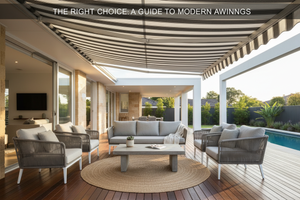

Introduction: Avoid Costly Awning Mistakes From Day One
Retractable awnings are one of the simplest ways to transform an Australian patio, deck, or verandah into a comfortable outdoor living space. With a quality retractable awning, you can extend and retract a fabric canopy to provide shade exactly when you need it, then fold it away to enjoy open sky or protect the fabric during adverse weather conditions.
When done correctly, purchasing a retractable awning increases your usable living space and can improve your home's energy efficiency by reducing heat gain and reliance on air conditioning.
The problem is that buyers across Australia often make the same avoidable mistakes when choosing awnings online. These errors lead to frequent replacements, costly repairs, and awnings that simply don’t perform as expected. Mistakes in selection or installation can negatively impact the awning's functionality, lifespan, and longevity—reducing its ability to provide effective shade, resist weather, and remain durable over time.
This guide focuses on five key errors specific to buying retractable awnings—not just awning installation issues, but the decisions you make before you click “purchase.” Whether you’re shading a ground-floor patio or covering a first-floor balcony, understanding these common mistakes will help you choose the right awning from the start.
At factoryfast.com.au, you can compare models, fabrics, and sizes before purchasing. Each mistake covered below includes a clear “how to fix it” section so you can act immediately and make an informed decision.
Mistake 1: Guessing The Size Instead Of Measuring Properly
One of the most frequent errors buyers make is “eyeballing” their patio or balcony instead of taking precise measurements. It seems easy enough to estimate dimensions, but this approach almost always leads to problems.
The common issues are predictable: an awning too short in width leaves gaps where sunlight pours through onto your outdoor dining table. An awning mounted too low restricts headroom over a sliding door. A projection that extends too far overwhelms a narrow balcony and creates an awkward, cramped feeling.
The Three Key Dimensions To Measure
Before browsing any online store, you need accurate measurements of:
|
Dimension |
What To Measure |
Why It Matters |
|---|---|---|
|
Wall Width |
Distance from solid fixing point to solid fixing point |
Determines the awning’s coverage area and ensures secure attachment to load-bearing structure |
|
Projection |
How far out the awning should extend when fully open |
Controls how much of your outdoor area receives shade |
|
Mounting Height |
Height from finished floor level to where the housing will attach |
Affects headroom clearance and the angle for water runoff |
You should also note down obstacles near the mounting area. Look for downpipes, outdoor lights, air conditioning units, or guttering that could interfere with the awning’s operation or require adjustments to mounting position.
How To Fix It
Step-by-Step Measurement Guide
-
Measure wall width from solid fixing point to solid fixing point—not including loose cladding edges, decorative trim, or render that may not support weight.
-
Determine projection by standing where your seating will be placed (around a 6-seater outdoor setting, for example) and estimating how far shade needs to extend.
-
Check mounting height and allow at least 2.1 metres of head clearance for walk-through areas; ensure the awning can tilt enough for water runoff during heavy rain.
-
Sketch a simple diagram with all measurements marked before comparing sizes on factoryfast.com.au.
-
Account for obstacles by marking where downpipes, lights, or vents sit relative to your intended mounting area.
Additional Tips
-
Use a tape measure and spirit level to take accurate measurements rather than rough estimates. Measure at least twice and record everything before ordering from factoryfast.com.au.
-
Consider when you actually need shade. If late afternoon sun blasts through west-facing doors, you may need extra width or projection to block those lower sun angles. Stand in your outdoor space at different times to observe shadow patterns and understand exactly where coverage is required.
For larger outdoor spaces, the 4.0 m × 3.0 m grey motorised folding arm awning provides expansive coverage and effortless automatic operation.
Mistake 2: Choosing Fabric Only For Colour (And Ignoring Performance)
Many buyers pick awning fabric purely to match their exterior paint, roof tiles, or outdoor furniture colour scheme. While aesthetic appeal matters, ignoring fabric performance leads to disappointment. The material you select directly influences your awning's lifespan and look.
Poor fabric choices create real problems:
-
Inadequate UV protection means the fabric fades quickly under strong summer sun
-
Fabrics without proper treatment develop mould spots after a wet season, especially in humid regions
-
Non-breathable materials trap humidity underneath, making the shaded area feel stuffy and uncomfortable
-
Very light fabrics can reflect harsh glare into windows, while very dark colours absorb heat and make the space feel smaller
For long-lasting awnings, high-performance materials such as solution-dyed acrylic or polyester are recommended.
When reviewing fabric specifications, consider:
-
UV-resistant acrylic fabrics are recommended for their resistance to fading, especially in sunny areas
-
The awning's lifespan is extended with regular maintenance and cleaning
-
Local weather patterns dictate awning choice, as high humidity and temperature fluctuations can affect material durability
In hot, dry regions, UV-resistant materials like acrylic are preferable.
Understanding Fabric Types
There’s an important difference between water resistant material and fully waterproof fabric. Waterproof fabrics block all moisture but can trap humidity and reduce oxygen flow underneath. Breathable water-resistant options repel rain while allowing air circulation, which is usually more comfortable for covered outdoor areas where you’ll spend extended time.
The ideal fabric balances UV protection, weather resistance, breathability, and colourfastness to maintain visual appeal season after season.
How To Fix It
Fabric Selection Checklist
-
Think about how and when you use your outdoor space. Morning coffee requires different considerations than summer evening entertaining. Select a fabric type that matches your actual usage patterns from options available at factoryfast.com.au.
-
Look beyond colour swatches and check fabric specifications for:
-
UV resistance rating
-
Water repellency treatment
-
Mildew resistance (critical for humid areas)
-
Colour stability and fade resistance
-
Picking The Right Fabric For Australian Conditions
For hot, dry regions:
-
Prioritise UV-resistant, breathable fabrics
-
Choose lighter colours that reflect heat rather than absorbing it
-
Look for materials that enhance comfort by allowing airflow underneath
For coastal areas or humid regions:
-
Select fabrics treated to resist mildew and salt exposure
-
Choose materials that dry quickly after rain to prevent mould growth
-
Consider how coastal conditions accelerate fabric degradation without proper treatment
General tips:
-
Patterned or textured fabrics hide minor marks and dust better than flat, solid colours
-
Medium tones often provide the best balance between sun damage resistance and visual harmony with most exteriors
-
Request or compare fabric specifications on factoryfast.com.au before finalising your purchase
Enjoy shade at the touch of a button with the motorised outdoor folding arm awning in grey (3.0 m × 2.5 m), perfect for patios, decks, and alfresco areas.
Mistake 3: Focusing Only On Price And Ignoring Long-Term Value
Low prices are attractive, but a cheap awning often becomes an expensive mistake. While low costs may be appealing, they often lead to issues with quality and higher long-term expenses due to repairs or replacements. Budget models typically use thin gauge metals prone to denting, inferior roller mechanisms that bind under load, and basic fabrics susceptible to tearing.
The outcomes are predictable:
-
Arms sag after the first windy season
-
Fabric tears near the front bar where tension is highest
-
Gearboxes become hard to operate or seize completely
-
Frame components rust, especially in coastal areas
-
The entire awning needs replacement within a couple of years
Opting for budget-friendly options often leads to a lower-quality awning that may need replacement within a few years.
Long-term value comes from balancing cost, build quality, fabric performance, and warranty coverage—not just finding the lowest price tag. Choosing non-durable or cheap materials might save money initially but could result in frequent replacements, escalating costs over time, and inferior performance.
Prioritizing quality over price is crucial when selecting a retractable awning to avoid future costs associated with repairs or replacements.
How To Fix It
Value Comparison Guide
-
Set a realistic budget range, then compare awnings within that range based on features rather than price alone. A cheap model might save you money today but lead to unexpected expenses when it fails prematurely.
-
Use product descriptions on factoryfast.com.au to compare:
-
Frame material and finish quality
-
Mechanism type and durability
-
Fabric specifications
-
Included accessories and mounting hardware
-
-
Spending slightly more upfront delivers cost savings over time by avoiding the expense and hassle of frequent repairs or early replacement.
What To Compare (Beyond The Price Tag)
|
Feature Category |
What To Look For |
|---|---|
|
Frame Construction |
Robust metal components (extruded aluminium is ideal); corrosion-resistant finish; durable build |
|
Operating Mechanism |
Smooth operation; manual crank vs motorised; quality gears that won’t bind or seize |
|
Mounting Hardware |
Compatibility with Australian home exteriors; quality brackets; all necessary fixings included |
|
Support and Warranty |
Comprehensive warranty; clear product descriptions; available support from factoryfast.com.au |
Mistake 4: Ignoring How And Where The Awning Will Be Used
Many buyers don’t clearly define the awning’s main purpose before ordering online. They know they want shade, but haven’t thought through the specifics of their situation. This directly impacts the awning's functionality, as the choice of fabric and design determines how well it provides shade, resists weather, and protects against UV rays for long-term performance.
Consider the difference between these scenarios:
|
Use Case |
Key Considerations |
|---|---|
|
Shading a ground-floor patio in summer |
Maximum projection for midday sun, fabric that reduces heat |
|
Covering a first-floor balcony used year-round |
Weather resistance for inclement weather, easy operation |
|
Shade over sliding doors to reduce indoor heat |
Glare reduction, positioning to block direct sun into living areas |
|
Outdoor dining and entertaining |
Coverage area for table and chairs, pleasant atmosphere underneath |
Using a small window awning for a large patio is a common mistake when shopping for awnings.
Mounting height, projection, angle adjustment, and even colour choice vary depending on whether your aim is daytime shade, glare reduction on screens and devices, or year-round outdoor dining.
Some homes also have limited fixing points—narrow wall spaces between large windows, for example—which influence awning type and size selection.
Consulting with professionals ensures the awning is properly sized and installed, enhancing both functionality and aesthetics.
How To Fix It
Usage Planning Steps
-
Before browsing options on factoryfast.com.au, write down your top two or three priorities for the awning. Be specific:
-
“Shade the outdoor dining area from 3 pm onwards in summer”
-
“Block direct afternoon sun from heating the living room through the glass doors”
-
“Create a comfortable outdoor space for morning coffee, rain or shine”
-
-
Consider adjacent outdoor furniture, barbecue placement, and door or window swing. The awning shouldn’t interfere with everyday use of your outdoor area.
Matching Awning Features To Your Space
-
Patios facing strong afternoon sun:
-
Choose wider awnings with generous projection
-
Ensure good tilt adjustment to block lower sun angles
-
Consider fabrics that provide superior protection without trapping heat
-
-
Compact balconies:
-
Select sizes that don’t protrude excessively beyond balustrades
-
Ensure retracted housing doesn’t block doorways or windows
-
Allow safe movement around the space when extended
-
-
Areas near kitchen or living room doors:
-
Choose fabrics that reduce glare into the interior
-
Avoid very dark colours that might make adjacent rooms feel darker
-
Consider how the awning complements your home or business exterior
-
Example scenario: A homeowner with a west-facing deck wants shade for afternoon entertaining. They measure 4.5 metres of wall width and need 3 metres of projection to cover their outdoor setting. They choose a quality retractable model from factoryfast.com.au with UV-resistant fabric in a medium tone that matches their timber deck, ensuring curb appeal while providing protection from harsh late-day sun.
Understanding Cassette Types
When selecting an awning, it's important to consider the type of cassette, as this affects both protection and appearance. A full cassette awning encloses the fabric, arms, and mechanism completely within a protective housing when retracted, offering maximum protection from weather and dirt—ideal for exposed locations. A semi-cassette awning partially covers the fabric and mechanism, providing moderate protection while maintaining a more streamlined look. Selecting the right type of awning, such as a full cassette or semi-cassette, is crucial for specific locations and ensures your awning remains in top condition for longer.
Transform your outdoor living area with the 5.0 m × 3.0 m heavy-duty full cassette motorised retractable awning — offering effortless sun protection and sleek contemporary design.
Mistake 5: Overlooking Proper Installation, Operation, Maintenance And Support
Buyers often focus entirely on the awning’s appearance and forget to think about day-to-day operation and care. This oversight can negatively impact the awning's longevity and functionality, as improper use or neglect may reduce its ability to provide effective shade and resist weather conditions. This oversight affects both the installation process and the awning’s longevity.
Regular maintenance and cleaning extend the awning's durability and functionality.
Operation Considerations
For manual awnings, think about where the crank handle will be positioned. Is it comfortable to reach for all family members? Will it be accessible without moving furniture?
For motorised awnings, consider power source location and whether remote operation suits your lifestyle.
Maintenance Requirements
Every retractable awning needs basic maintenance to ensure smooth operation over its lifespan:
-
Occasional regular cleaning of the fabric
-
Checking fixings after periods of strong winds or heavy rain
-
Operating the mechanism regularly to keep it moving freely
-
Retracting during extended periods of inclement weather
Some buyers don’t read product details carefully and discover missing items they assumed were included—such as specific mounting hardware for their wall type. This leads to frustration and delays during the installation process.
How To Fix It
Installation and Maintenance Checklist
-
Read product descriptions and inclusions carefully on factoryfast.com.au before purchasing. Understand exactly what’s included and what you may need to source separately.
-
Factor in simple maintenance time a few times a year. Regular maintenance extends the awning’s lifespan significantly and helps you avoid harsh chemicals or aggressive cleaning that can damage fabric.
-
Keep basic records of:
-
Purchase date
-
Model name and specifications
-
Installation date (if applicable)
-
Any warranty documentation
-
This information makes future support and parts enquiries much easier and contributes to lasting satisfaction with your purchase.
Simple Awning Care Routine
Monthly:
-
Operate the awning fully in and out at least once to keep the mechanism moving freely
-
Check for any unusual sounds or resistance during operation
After bad weather:
-
Inspect visible fixings and tighten where appropriate
-
Check fabric for damage or debris accumulation
-
Ensure arms and housing show no signs of stress
Seasonally:
-
Brush off loose debris (leaves, dirt, cobwebs)
-
Rinse fabric gently with clean water and mild soap if needed
-
Avoid harsh chemicals that can degrade fabric coatings
-
Check all mounting points remain secure
During extended periods of non-use:
-
Retract the awning to protect it from unnecessary exposure
-
Store any removable crank handles in a dry location
-
Ensure the housing is free from obstructions
Following these simple steps supports customer satisfaction and protects your investment for years of reliable use.
Mistake 6: Forgetting About Aesthetic Harmony
Why Aesthetics Matter For Your Home
When selecting retractable awnings, it’s easy to focus on function and forget about how the awning will look once installed. Yet, aesthetic harmony—the way your awning blends with your home or business’s architecture and landscape—plays a crucial role in the overall visual appeal and curb appeal of your property. A mismatched or out-of-place awning can detract from your building’s style, while a thoughtfully chosen design can elevate the entire outdoor area.
Aesthetics aren’t just about looks—they directly influence your enjoyment of your outdoor space and can even affect your property’s value. A high quality retractable awning that complements your home’s exterior creates a seamless flow between indoor and outdoor living areas, making your space more inviting and functional. Beyond visual appeal, a quality retractable awning also provides superior protection from the elements, ensuring your outdoor living experience is comfortable and enjoyable year-round. Whether you’re relaxing with family or entertaining guests, the right awning enhances both the style and usability of your outdoor space.
How To Choose An Awning That Complements Your Space
To achieve true aesthetic harmony, start by considering the architectural style and color palette of your home or business. For modern homes with clean lines, opt for a sleek, minimalist awning design in neutral or complementary tones. If your property features traditional or heritage details, a more decorative awning with classic patterns or subtle textures may be a better fit. Don’t forget to factor in the color and material of your exterior walls, roof, and even your outdoor furniture—choosing an awning fabric that matches or tastefully contrasts these elements will help create a cohesive look.
It’s also important to think about your surrounding landscape. If your outdoor area features lush gardens, timber decking, or a paved patio, select an awning style and color that enhances these features rather than clashing with them. The goal is to create a balanced, harmonious outdoor space that feels like a natural extension of your home.
Common Style Pitfalls (And How To Avoid Them)
One of the most common style mistakes is choosing an awning that’s too bold or visually dominant, which can overwhelm your home’s architecture and disrupt the balance of your outdoor area. To avoid this, select a design that complements rather than competes with your existing style—subtle patterns, neutral colors, and streamlined shapes often work best. Another pitfall is ignoring scale; an awning that’s too large or too small for your façade can look awkward and out of place. Always ensure your awning is proportionate to your home’s size and the features around it.
Material choice is equally important. Opt for durable, weather-resistant fabrics and finishes that will maintain their appearance and functionality over time, even with regular cleaning and exposure to the elements. This not only preserves the awning’s visual appeal but also extends its lifespan, reducing the risk of unexpected expenses from frequent repairs or replacements.
For lasting satisfaction, invest in professional installation to ensure your awning is securely and attractively mounted. Look for a comprehensive warranty that covers both parts and labor, giving you peace of mind and protecting your investment. With the right approach, you’ll enjoy an outdoor living experience that’s as beautiful as it is practical—enhancing your home’s curb appeal and providing a welcoming, stylish outdoor space for years to come.
How factoryfast.com.au Helps You Buy The Right Retractable Awning
Avoiding these five common mistakes—guessing measurements, ignoring fabric performance, prioritising price over value, not defining your needs, and overlooking maintenance—leads to a better-performing, longer-lasting high quality retractable awning.
For mounting large or motorized awnings, or when dealing with delicate cladding or roof mounting, it is essential to hire skilled professionals to secure proper installation and maintain structural integrity. Professionals possess the necessary expertise, specialized tools, and training to handle complex installations, ensuring precise alignment, secure fittings, and optimal outcomes. Professional installation guarantees expertise and efficiency, reduces risks, and ensures a seamless setup, while DIY installations often lack precision and can lead to errors, safety hazards, and structural damage. Opting for professional installation can also mitigate future maintenance issues, saving on costly repairs or replacements, and enhances long-term satisfaction. Hiring experts ensures compliance with local regulations, providing a seamless experience from planning to completion.
When you choose awnings from factoryfast.com.au, you can browse a range of retractable awnings with clear size options, fabric choices, and detailed specifications. The entire process becomes straightforward when you know what to look for. When choosing the right awning, be sure to consider local weather conditions—factors like wind, storms, and humidity should influence your choice of materials and design features to ensure durability and performance.
Unlike fixed awnings that offer no flexibility, retractable models let you adjust coverage throughout the day and protect the fabric during adverse weather conditions. With the right selection, you’ll enhance comfort in your outdoor space and enjoy superior protection from sun damage for years to come.
Ready to upgrade your outdoor area?
Take these steps before you buy:
-
Measure your space properly using the guide above
-
List your main priorities for shade and usage
-
Compare models online based on features, not just price
-
Read product inclusions and warranty details carefully
Then explore retractable awnings at factoryfast.com.au and start planning your outdoor upgrade with confidence. Whether you’re after a manual crank model or investigating motorised awnings, you’ll find options that deliver customer satisfaction without the higher upfront costs of professional installers—plus the professional advice and support to ensure a successful installation.
With proper installation and regular maintenance, a quality retractable awning from factoryfast.com.au will provide shade, reduce your reliance on air conditioning during summer, and enhance your outdoor living experience for many years to come.
-
 Tags:
Awning
Tags:
Awning