1300 760 441
 cs@factoryfast.com.au
Pull Up Bars and Chin Up Stations Buyer Guide: Doorway, Wall-Mounted or Freestanding?
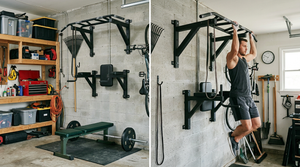

A pull-up bar looks simple until you decide where it will live. In a real Australian home gym, the right choice depends on doorway width, wall strength, ceiling height, training style and whether the space has to return to normal after each session. Factory Fast’s pull up bars and stations range covers compact doorway bars, fixed wall-mounted options and larger freestanding stations, so the better question is not “which one is best?” but “which one fits the way I can actually train?”
Start With the Mounting Choice
Doorway Pull-Up Bars Suit Compact and Shared Spaces
A doorway bar is usually the easiest entry point for home pull-up training. It suits renters, apartments, spare rooms and anyone who cannot dedicate floor space to a full station. The Doorway Pull Up Bar – Multi-Grip Steel Bar for Home Workouts is a compact removable option with multiple padded grip positions, heavy-duty commercial steel construction and a stated 135 kg weight limit.
If your doorway is wider or you want a no-drill adjustable style, the Portable Chin Up Bar Pull Up Doorway – Anti-Slip Home Workout Fitness Bar is listed with a 78-98 cm fit range, steel tube construction, EVA foam handles and a 225 kg max load. That makes doorway measurement the first buying step, not an afterthought.
Wall-Mounted Bars Suit Fixed Training Zones
A wall-mounted chin-up bar makes sense when you have a garage, gym room or solid wall area you can keep dedicated to training. It removes the movement limits of a doorway and can offer more grip variety. The Wall Mounted Multi Grip Chin Up Bar has a 1300 mm total width, 780 mm wall clearance from the front edge, a 30 mm shaft size and a 250 kg rating. Those numbers matter because they affect shoulder width, room needed in front of the bar and the feel of the grip.
Freestanding Stations Suit More Movement Variety
A freestanding pull-up station takes more room, but it avoids permanent mounting and gives you more training freedom. The Pull-up Bar Free Standing Pull up Stand has a 140-250 cm height range, a 120 x 110-180 cm base, a 200 kg maximum load and eight height settings. It is a stronger fit when several people use the same home gym or when a doorway setup would force bent-knee repetitions.
Compare Pull-Ups, Chin-Ups and Grip Positions
The chin up bars and stations category overlaps heavily with pull-up equipment, but the grip position changes the buying decision. Pull-ups usually use an overhand grip and often need more shoulder clearance. Chin-ups use an underhand or neutral grip and can feel more accessible for many users.
A multi-grip bar is useful when you want to rotate wide, narrow, neutral and angled positions. Padded grips are more comfortable for short home sessions, while textured metal grips can feel more direct for controlled strength work. If the article title says “pull up bars and chin up stations”, the body has to cover both movements because shoppers often compare them before choosing one piece of equipment.
Check Clearance Before You Compare Prices
Factory Fast’s current examples range from a compact doorway bar around $20 through to larger power tower-style stations above $300. Price matters, but clearance usually decides whether the product will feel good in daily use.
Measure the height from floor to mounting point, then check whether your knees will hit the ground during a dead hang. For wall-mounted bars, mark the 780 mm wall clearance or equivalent projection on the floor. For freestanding options, tape out the base footprint before ordering so you know whether the station interrupts walking paths, parked cars or storage shelves.
Match the Bar to Your Training Goal
First Pull-Up or General Fitness
A doorway bar is usually enough for basic pull-ups, chin-ups, hangs and short upper-body sessions. It is also the lowest-commitment option if you are still building the habit.
Strength Progression
A fixed wall-mounted bar is better when you want consistent grip height, more width and a dedicated training point. It also pairs naturally with resistance bands, hanging knee raises and slower tempo work.
Multi-Exercise Bodyweight Training
A freestanding pull-up station or power tower suits shoppers who also want dips, push-ups or knee raises from the same setup. If that sounds like the goal, it is worth browsing the wider gym stations range and planning nearby equipment such as dip bars and stations.
Common Buying Mistakes to Avoid
Do not choose a doorway bar before checking the exact internal doorway width. Do not choose a wall-mounted option unless the wall and fixing position suit the load and movement style. Do not choose a freestanding station only because it avoids mounting; it still needs ceiling height, base room and enough clearance for leg movement.
The best home setup is the one you can leave ready enough to use. Before adding a bar to cart, mark the actual training position with tape: doorway span, wall projection or floor footprint. If the taped outline feels awkward before the equipment arrives, move up or down the range before the mistake becomes a bulky parcel.
 Tags:
Tags: