1300 760 441
 cs@factoryfast.com.au
Kids Bed Frames: How to Choose the Right Size, Style and Setup
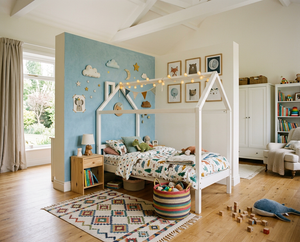

Choosing kids bed frames is different from choosing an adult bed base. You are not only thinking about mattress fit and bedroom style. You are also thinking about age, independence, room layout, how quickly the child will grow, and whether the bed needs to feel playful, practical, or both. If you are browsing the kids bed frame collection, the best choice usually comes from looking at how the bed will be used now and how long you want it to keep working.
Some children need a low, easy-access frame. Some need a size that gives them room to grow. Some rooms need a bed that keeps the floor area feeling open. Others can carry a larger frame if the bed is becoming the main feature of the room. The right answer depends on the child, the room and the role the bed needs to play every day.
Start with age, height and level of independence
A child’s bed should match where they are now, not just where they will be in a few years. For a little one moving out of a cot, the right time to choose a toddler bed is often around 18 months, especially if they are outgrowing the cot or trying to climb out, and this stage usually suits children from about 18 months to 4 years. It can also make climbing in and out feel more natural. Many children then move to a single bed around ages four to five. Platform or low-profile frames are also safer and easier for children to climb in and out of.
The Kids Tent Montessori Toddler Floor Bed Wooden Bedframe is a strong example of this approach. Factory Fast describes it as a Montessori-style kids bed designed to encourage freedom of movement and independent access. The product page also notes premium natural pine wood, polished plywood slats, and a size that fits an Australian standard king single mattress, with external dimensions of 207 x 115 x 175.5 cm.
That kind of frame suits families who want a child-accessible bed that still gives enough room to last beyond the toddler stage, while making bedtime feel easier for both children and parents. To help with the change, keep a steady routine, place favourite toys nearby, and use a bed rail if needed.
Choose the size with the room in mind
Size matters just as much in a child’s room as in an adult bedroom, and sometimes more. Before buying a child's bed, measure the floor space and leave about 60 cm around the bed for walking paths. A larger mattress can extend the useful life of the bed, but it can also take up floor space that might otherwise be needed for play, storage or movement, which also affects room aesthetics.
Factory Fast’s category guidance highlights how a single bed often suits smaller rooms and can last into the late teens for many kids, while larger children’s layouts may handle bigger options more comfortably. A king single gives extra width and length, which makes it a good fit for taller kids. The wider bed frames collection is useful if you are comparing standard sizes across the household and want a consistent sense of footprint.
If the room is compact, do not assume bigger is better just because it may last longer. In children’s bedrooms, the balance between sleep space and usable floor area is especially important. In most cases, twin and king single options are the best standard sizes for growing children. The right size depends on the child’s age, height, and the room dimensions, and a kids single bed suits younger children while a kids double or queen bed only makes sense when the room is large enough.
Low bunk beds can solve more than one problem
Low kids beds are popular for good reason. They can support independence, reduce the visual bulk of the bed in the room, and create a calmer layout for younger children, especially because low profiles are easier for little ones to use confidently.
The Low Bed for Kids - Wood Pine Wood Double Floor Bed shows how that idea can work in a more spacious format. Factory Fast describes it as a high-quality pine wood floor-level bed with a natural finish, available in multiple colours and sizes, and lists practical details including external dimensions of 194 x 142.5 x 111.5 cm for the double version. The page also notes a reversible chimney accent and rounded corners, which helps with safety by reducing the chance of bumps and injuries for active sleepers. Floor beds are especially useful when easy access matters most for a younger child.
A low bed is especially worth considering if your child likes to get in and out of bed independently or if you want the room to feel more open and accessible. Platform beds are also a practical option because they sit close to the ground and are safe for toddlers to climb in and out of.
Think about how the bed supports the whole room
Children’s bedrooms do not work like adult bedrooms. The bed often shares the room with toys, books, storage, homework space and open floor area. That means choosing among kids bed frames often means balancing safety, room layout, and storage solutions rather than simply fitting the mattress.
Factory Fast’s kids category guidance points to the importance of balancing style and space, especially where storage or room organisation matters. A useful option to present here is loft beds, which elevate the sleeping area and can free up more floor space for play or homework. The space underneath can fit a desk, extra storage, or even a wardrobe in some layouts. That is a useful lens when comparing options. Ask whether the bed leaves enough space beside it, whether the frame feels visually light enough for the room, and whether the size will make everyday tidying harder.
A frame that is technically the right size can still be the wrong choice if it makes the room harder to move through or cuts too deeply into the usable play area; storage beds with built-in drawers are another practical way to keep the room organised without taking more floor space.
Material and style should still be practical
Kids bed frames need to suit the child’s room, but they also need to be easy to live with. Wood remains popular because it brings warmth, a softer look and a natural fit for children’s spaces, while standard sizes also come in fabric options. The kids bed frame collection also points to material choice as a key decision, especially when weighing durability, design, ongoing maintenance, and the benefits of sturdy solid wood or metal construction with easy-care features.
That does not mean every child’s room needs a themed or decorative frame. In many cases, simple styles with timeless bed shapes are the smarter long-term choice. Neutral finishes such as white, grey or natural wood also tend to last visually as tastes change. A practical frame can still feel inviting if the size, finish and proportions suit the room.
When checking finishes, look for zero-VOC paints or stains and Greenguard Gold certification.
How to buy for now without buying too small
The most useful kids bed frame is usually one that suits the child now while still offering a sensible runway into the next stage as a child grows. That does not always mean buying the biggest option. It means thinking carefully about access height, bedroom size, mattress size and how fast the child’s needs are changing.
Some frames are convertible and can adjust in size or height over time.
If you are furnishing a younger child’s room, low access and everyday ease may matter most. If you are planning ahead for a growing child, a larger mattress fit may be worth considering if the room can handle it comfortably. This can also work well for older children and even teens when the room and mattress size are planned properly. The right bed should help you decide based on current needs while leaving room for future flexibility in how the space works.
A children’s bed frame works best when it feels intuitive for the child and practical for the household. Start with size and independence, then weigh material, room layout and how long you want the bed to stay useful. That gives you a much better chance of choosing a frame that still feels right after the novelty of the first setup has worn off.
For shoppers comparing children’s options with broader bedroom furniture needs, moving between the kids bed frame collection and the wider bed frames range is the easiest way to keep the final choice grounded in both room planning and long-term use
 Tags:
Tags: