1300 760 441
 cs@factoryfast.com.au
How to Choose the Right Shower Screen for Your Bathroom Layout
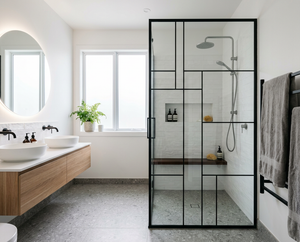

The right shower screen does more than finish the bathroom visually. It shapes how open the room feels, how water is contained and how comfortable the space is to use every day. A screen that suits the layout can make even a compact bathroom feel cleaner and more intentional, while the wrong choice can make the room feel tight or awkward.
Start with the bathroom layout, not the finish
Before thinking about bracket colour or glass style, look closely at the shower position. Is the shower tucked into a corner, sitting over a bath or part of a walk-in layout? The room footprint and available space usually narrow the best screen style quickly. Corner layouts often call for a shape that uses the room efficiently, while baths and open wet-room style showers need a different approach. In compact bathrooms, sliding or bi-fold doors help avoid obstructing vanities or toilets, while larger layouts can suit walk-in panels or pivot doors for a more luxurious feel.
If the shower sits into a compact corner, the Corner Shower Screens collection is a practical place to start. If the shower runs over a bath, browsing the Bath Screens collection makes more sense than forcing a full enclosure into a layout that does not need one.
Decide how open you want the bathroom to feel
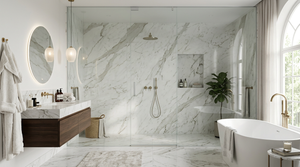
Many shoppers want a bathroom that feels less boxed in. That is where glass panels and frameless shower screens usually stand out, with clean lines and a sleek, modern appearance that also helps maximize natural light flow. A simpler screen profile can keep sightlines open, reduce visual clutter, and support an open feel in modern bathrooms, especially in bathrooms where natural light is limited or the vanity already takes up visual room.
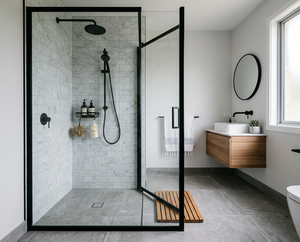
A fixed panel such as the 110 x 210cm Glass Shower Screen with Gunmetal F-Brackets suits shoppers chasing a cleaner walk-in look. If you prefer a narrower panel format, the 70 x 210cm Frameless 10mm Glass Shower Screen is useful to compare when the opening does not need as much width.
Match the screen shape to the way the room moves
Bathrooms are often tighter than they appear on paper. That is why the way people move around the room matters, especially in small bathrooms. A bulky solution can interrupt access to the vanity, toilet or towel rails, while the right screen shape helps create better flow through the room. Think about where the door swings, how you step in and out of the shower and whether anyone in the household prefers a more open entry.
Curved profiles can soften tighter layouts and reduce visual sharpness around the entry, which is why the Curved Shower Screen collection is worth exploring when you want something practical that still feels less boxy. In contrast, a straight glass panel can feel calmer and more architectural in a walk-in setup.
Take width and height seriously
A shower screen is one of those purchases where measurements do a lot of the heavy lifting, and glass thickness matters too when matching styles to bathroom size and different glass types. Width affects splash coverage and entry comfort. Height changes how enclosed the shower feels and how the proportions sit with the rest of the bathroom. Measuring the shower area, adjacent wall space and the placement of fittings before you buy makes the shortlist much more accurate. As a guide, 6mm glass is common in framed shower screens, 8mm in semi frameless shower screens, and 10mm in fully frameless options.
For example, the 110 x 210cm Glass Shower Screen with Gunmetal F-Brackets offers a wider screen presence for a more defined shower zone, while the 70 x 210cm Frameless 10mm Glass Shower Screen is a helpful reference point when you want a lighter touch.
Think about cleaning and daily upkeep
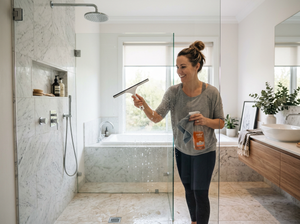
The best shower screen is not just the one that looks good on day one. It also needs to suit how much cleaning effort you want to put in each week. Simpler glass shapes, straightforward hardware, and lower-maintenance glass types can be easier to wipe down than more complex setups, especially where soap residue shows quickly. If your priority is a cleaner visual line with fewer interruptions, a frameless or fixed-panel approach may appeal for that reason alone.
Many homeowners choose frosted or translucent glass for extra privacy while still letting light move through, especially in street-facing bathrooms, while fluted glass hides marks well but needs more careful cleaning to prevent soap scum build-up.
It is also worth considering how much of the room the screen exposes. A more open setup can make the bathroom feel bigger, but it only works well when the layout keeps splash where you want it. Practicality should always sit beside aesthetics here.
Choose around the renovation style already in the room
A shower screen does not need to dominate the bathroom, but it should feel like it belongs. Straight glass lines suit more minimalist bathrooms, while curved shapes can soften the look when the room has a gentler profile. Hardware finish matters too, and the right choice across a broad range of handles, brackets and hinges can shape the overall look and visual appeal while helping the screen sit comfortably with taps, mixers and other fittings already chosen for the renovation. Chrome stays a classic for contemporary or traditional spaces but shows water spots easily, brushed nickel adds warmth and hides marks, matte black makes a bold contrast on light tiles, and brushed brass or other gold tones bring luxury but usually need more cleaning. Semi frameless screens use minimal framing and subtle framing to give semi frameless designs a clean look with solid support, which suits mid range renovations and family bathrooms.
If you are building a full shortlist, begin with the broader Shower Screens collection and then branch into Corner Shower Screens, Curved Shower Screens or Bath Screens based on the room shape rather than shopping every style at once.
Common frameless shower screens buying mistakes to avoid
One common mistake is choosing a screen because it looks good in isolation without checking how it affects movement around the room. Another is focusing on width but not height, or vice versa. Some shoppers also forget to think about where fittings sit, which can complicate the final layout. Keeping the entire shower zone in view during planning usually prevents those issues.
It is also easy to assume every bathroom needs the same screen type, even though different styles offer different benefits. In reality, corner showers, walk-in showers and shower-over-bath layouts each ask for a different solution. Matching the screen to the room always produces a better result than chasing a one-style-fits-all answer. In simpler layouts, standard screens or a framed option can be the right choice when practical considerations like budget, splash control, and durability matter most; framed screens are also the most cost-effective and durable choice, with maximum structural stability and weather-sealing for high-traffic bathrooms.
The best screen feels right in daily use
A good shower screen should suit the room visually, support the way the household uses the bathroom and feel easy to live with long after installation, so the decision should cover both the product and professional installation. When you narrow the shortlist by layout, dimensions, openness and maintenance needs, the right option becomes much easier to spot.
In Australia, all shower screens must use toughened safety glass or Grade A safety glass and comply with australian standards and australian safety standards.
To compare with confidence, start with the main Shower Screens collection and then move into the most relevant collection or product pages for your bathroom shape. That approach keeps the decision focused on fit and function, not just appearance.
Professional installation helps make sure the screen is installed correctly, uses the right sealing methods and meets AS1288, which matters for preventing leaks and ensuring durability.
Frequently Asked Questions
Related Articles
-
 Tags:
Shower Screens
Tags:
Shower Screens