1300 760 441
 cs@factoryfast.com.au
Home Chin-Up Bars & Stations: How to Choose the Perfect Setup for Your Space
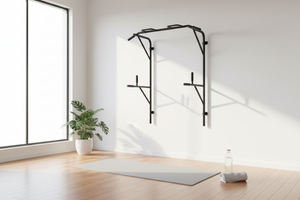

Whether you live in a compact rental unit or own a house with a double garage, adding a pull up bar to your own home can transform your training. This guide walks Australian home users through every option—from doorway bars that install in seconds to permanent wall mounted stations—so you can confidently choose the setup that fits your space, body, and fitness goals.
Quick Guide: Choosing Your Home Chin Up Setup Fast
Finding the right pull up bar comes down to matching the equipment to your living situation. Doorway bars brace against standard interior door frames using a friction system and require no drilling, making them ideal for renters or anyone with limited space. Wall mounted bars bolt into solid surfaces like brick or timber studs, delivering rock-solid stability for strict chin ups and wide grip pull ups. Ceiling mounted pull up bars fix into overhead joists, freeing wall space and allowing room for leg raises and small swings. Free standing station designs—often called power towers—stand on the floor without any mounting, supporting a full routine of chins, dips, and push ups.
If you’re in a rental with narrow hallways and standard 2.4 m ceilings, a removable doorway bar or compact free standing station under 2.1 m tall will usually suit best. If you have permission to drill and a spare room or garage with brick walls, a mounted pull up bar offers superior rigidity for building upper body strength over time.
Before shopping, note these practical constraints: measure your ceiling height in metres, check available wall width for bars typically 100–120 cm wide, confirm whether drilling is allowed, and calculate your body weight plus an extra 20–30 kg margin for vests or belts as you progress.
Three quick scenarios to guide you: in a tiny flat, choose a removable doorway bar or sub-2.1 m tower that tucks into a corner; in a spare room, favour a wall mounted pull up station for permanent installation and stability; in a double garage, consider a ceiling mounted bar above the parked car or a full power tower positioned at the end of the bay.
For a simple but effective upper-body workout, this free standing chin up bar station provides a sturdy and convenient option for home use.
Understanding the Main Types of Home Chin Up Bars
All types of home chin up bars and stations train similar muscle groups—back, arms, shoulders, grip, and core—through pulling movements that engage your entire upper body. The differences lie in stability, space requirements, and how they attach to your home. Understanding each type helps you match the equipment to your living situation before worrying about training style.
Doorway Chin Up Bars
Doorway bars brace against the sides or top of a standard interior door frame and remain popular in smaller Australian homes and rentals. Most adjustable models fit frame widths from around 62 cm up to 100 cm, with some extending to 120 cm for wider openings. The typical Australian interior door measures 70–90 cm wide, so checking your exact dimensions before purchase is essential.
The main advantages include no drill installation, quick setup and removal in seconds, and space saving storage under a bed or in a wardrobe. These bars suit basic chin ups, neutral-grip pulls, and even Australian pull ups when positioned lower. Some designs offer multiple grip options for varied hand positioning.
However, doorway bars have limitations. They may not fit very old or narrow frames under 70 cm, and leaving them mounted can block door swing. The frame can flex slightly during use, which limits explosive movements or kipping-style pull ups. Before buying, check your trim depth (typically 5–7.5 cm) and frame thickness to avoid poor fit or wall damage to painted surfaces.
Wall Mounted Chin Up Bars and Stations
Wall mounted bars bolt into solid walls—brick in a garage or studs behind plasterboard—making them a common choice in Australian houses with a spare room, shed, or dedicated workout area. These stations project 40–60 cm outward from the wall for knee clearance, with bar widths typically around 100–120 cm to accommodate multiple grip positions.
The benefits are substantial: exceptional stability for strict chin ups, wide grip variations, and progressive overload using a weight belt or vest. Many wall mounted chin up bar stations include extra handles for close-grip chins and angled grips that reduce wrist and shoulder strain during longer sessions.
Installation does require drilling, so renters need written approval. You’ll need basic tools, a stud finder to locate solid fixing points, and the correct hardware—dynabolts for masonry or appropriate anchors for timber frames. The weight capacity on quality wall stations often reaches 250–300 kg, far exceeding what doorway bars support.
Ceiling Mounted Chin Up Bars
Ceiling mounted bars fix into joists, concrete slabs, or sturdy verandah roofs, working well in garages with high ceilings or under covered outdoor areas. They free up wall space entirely and allow an open area around the bar—helpful for hanging leg raises, toes-to-bar movements, and small swings.
Most users will want at least 2.3–2.4 m from floor to ceiling so they can hang with straight arms without heels touching the ground. Taller users around 1.9 m need even more clearance. Installation involves locating joists overhead, drilling upward, and using suitable anchors for timber or concrete, which is more involved than wall mounting.
Before committing, map out the area to ensure the bar won’t sit too close to lights, ceiling fans, or garage roller door tracks. When positioned correctly, ceiling mounted setups offer unmatched freedom of movement compared to wall mounted options.
Free-Standing Chin Up Stations (Power Towers)
Free standing stations are self-contained frames that stand on the floor with an integrated chin up bar, often combined with dip handles and a back pad for vertical knee raises. Typical floor footprint runs around 1.0–1.2 m long by 0.8–1.0 m wide, with overall heights near 2.1–2.3 m.
The main advantages: no drill requirements, positioning flexibility in a spare room, garage, or covered outdoor area, and support for a full body weight routine including chins, dips, incline push ups, and core exercises. Some stations feature adjustable bar height, useful for shorter users or for inverted rows and assisted pull ups using resistance bands.
Considerations include the need for more open floor space than mounted alternatives, a flat and level surface like concrete or firm flooring to prevent wobbling, and careful relocation to avoid marking floors. Placing rubber mats underneath protects surfaces and reduces noise.
The right type depends on your living situation first, then your training style. A renter in a small unit has different needs than a homeowner with ample space in a shed.
Key Factors to Consider Before You Buy
A chin up station should match four main things: your available space, the structure of your home, your body size and current fitness level, and your long-term training goals. Getting these factors right means you’ll actually use the equipment rather than letting it gather dust.
Available Space and Layout
Start by measuring your intended area in three dimensions: floor space in square metres and ceiling height in metres. Note nearby obstacles like door swings, cupboards, car bays in a garage, or furniture that limits movement.
You need enough room to hang with straight arms and bent knees without scraping the floor, plus space to lean slightly forward for movements like chest-to-bar pulls. Map out a simple “use zone” of at least 1.5 m clear in front of and around the bar to avoid hitting walls or storage racks with your feet or knees.
Doorway bars work best in hallways with at least 1 m of clear space on each side. Free standing towers fit well at the end of a single-car garage bay or in a corner of a spare room. If your setup is removable, plan where you’ll store it—under a bed, along a wall behind a sofa, or standing vertically in a wardrobe.
Mounting Surface and Installation
Different bars suit different mounting surfaces commonly found in Australian homes. Brick and concrete take dynabolts directly. Timber stud walls require locating the studs and using appropriate anchors. Plasterboard alone cannot support the forces involved in pull up training.
Check whether you’re allowed to drill—renters typically need written approval—and whether you’re comfortable using tools or prefer a no drill solution like doorway bars or free standing units. Plan for hardware: confirm what anchors, drill bits, and fixings are included versus what you must purchase separately.
Sketch where the bar will mount relative to existing features like windows, garage roller tracks, or shelving to ensure clear movement. If permanent installation feels beyond your skills, simpler options like doorway bars or free standing stations avoid structural work entirely while still letting you perform pull ups effectively.
Your Body Size, Strength Level, and Future Progress
Consider your current body weight plus at least an extra 20–30 kg to allow for progress with weight belts or vests over the next few years. A doorway bar rated at 113 kg works fine for a 75 kg person doing bodyweight chins, but leaves no headroom for added resistance. Wall mounted bars rated at 250–300 kg handle virtually any progression.
Taller users around 1.9 m need higher bar placement or more ceiling height to dead hang comfortably without feet dragging. Shorter users benefit from adjustable towers that lower for inverted rows or band attachment points.
Beginners may prefer bars that allow for assisted pull ups using bands or lower settings for inverted rows to build up strength gradually. Users planning explosive movements, hanging leg raises, or long holds should favour more rigid setups like solid wall or ceiling mounts over flex-prone doorway units. Even if you currently manage only a few band-assisted reps, it’s worth choosing a sturdy station that won’t need replacing as you get stronger.
Training Style and Exercise Variety
Your goals shape which setup serves you best. General strength training and muscle-building favour stable mounts that handle controlled reps and added weight. Calisthenics-style skills like muscle ups need open space for swings. Cross-training for sports benefits from versatile pieces that integrate with other exercises.
A simple straight bar is enough for standard underhand and overhand chin ups targeting different muscle groups. Multiple angled grips suit users with wrist or shoulder sensitivity, allowing varied grip position through the movement. Extra exercise options—dips, vertical knee raises, incline push ups—come easier on free standing towers or wall stations with parallel handles.
If you plan to use resistance bands, gymnastics rings, or suspension trainers, look for bars with enough open space around them and solid points to loop equipment over. For example, pairing chin ups with bodyweight squats and push ups in a compact garage space creates an effective circuit, with the station serving as an anchor for upper body work and band attachment.
Budget and Long-Term Value
Chin up solutions range from relatively low-cost doorway bars through to larger free standing stations and heavy-duty wall mounts. Spending slightly more upfront often avoids the need to upgrade later when a cheaper option proves unstable or limiting.
Balance cost against expected weekly use. A durable fixed station makes sense for someone training 3–4 times per week at home, whereas an occasional user might find a removable doorway bar sufficient. Prioritise build quality, comfortable grip finish, and stable mounting over extra but rarely used features.
A well-chosen station can form the backbone of a home gym for many years with minimal ongoing costs—far cheaper than a commercial gym membership over time. Set a rough budget range before shopping, then shortlist only those models that meet your space and installation needs within that range. The best pull up bar for you balances durability, functionality, and realistic spending.
If you're comparing options, it's worth exploring the range of chin up bars and workout stations to find something that suits your space and training style.
How to Match a Chin Up Station to Your Home
This section walks through common Australian living situations and shows which setup tends to work best in each. Rather than generic advice, these scenarios offer concrete guidance you can adapt to your exact measurements.
Small Unit or Apartment
A typical small Australian unit features limited space, standard 2.4 m ceilings, and strict rules about drilling into walls and door frames. Storage is tight, and multi-purpose spaces are the norm.
Removable doorway bars or compact free standing stations under about 2.1 m tall work best here. Position them in a hallway or bedroom doorway that isn’t heavily used during workout times to avoid family members walking through mid-set. Measure door widths carefully—most standard interior doors fall between 70–90 cm—and confirm that adjacent walls provide at least 1 m of clear floor space in front for comfortable hangs and dismounts.
After training, slide a disassembled tower under a bed base or stand a doorway bar vertically in a wardrobe. These space saving solutions keep your living area functional while still giving you access to effective home workouts.
House with a Single-Car Garage
A typical single-car garage features a concrete floor, brick or block walls, and ceiling height around 2.4–2.7 m. Many Australians use this space for both parking and storage, so the chin up setup needs to coexist with a vehicle.
Wall mounted or ceiling mounted chin up bars work well here when placed where the car’s bonnet or roof won’t collide—typically high on the back wall above parked bonnet height around 1.2 m. Check roller door tracks and any overhead storage shelves to avoid collisions with the bar or your head while hanging.
Mark safe parking lines on the floor so the vehicle and chin up station can coexist without interference. This location is ideal for adding hanging leg raises and simple bodyweight circuits without taking space from the main living areas of the house.
Townhouse with Limited Yard or Balcony
Common townhouse layouts include a small paved courtyard or covered balcony. Construction may be lighter, with walls that aren’t suitable for heavy wall mounting without reinforcement.
A free standing chin up station positioned on stable pavers offers the most flexibility. Alternatively, if there’s a sturdy overhead beam under the balcony roof, a ceiling mounted bar can work. Check exposure to rain and sun—keeping the station under cover prolongs grip quality and prevents finish deterioration.
Plan clearance around outdoor furniture and barbecue areas so workouts don’t clash with social use of the space. Placing a free standing station on rubber mats prevents marks on pavers and reduces noise that might disturb neighbours.
Home with a Shed or Large Under-Cover Area
Standalone sheds or large under-cover areas with higher roofs and more open space are common in regional or outer suburban Australian homes. These spaces offer the most flexibility for fitness equipment.
Sturdy free standing stations or longer wall and ceiling bars give users room for more advanced variations and full hanging core work. The advantage of these spaces is leaving equipment permanently assembled, enabling quick 10–15 minute chin up sessions without setup time.
Check roof structure before mounting overhead bars in sheds—some thin metal sheets need reinforcement or blocking between rafters. Integrating the chin up station with other home gym equipment like skipping ropes, floor mats, or even a squat rack creates a complete training corner that rivals a commercial gym for basic strength training.
Setting Up Your Chin Up Station: Height and Positioning
Even the perfect pull up bar feels awkward if installed at the wrong height or in a cramped spot. Taking time to position correctly ensures comfortable, safe training for years.
Choosing the Right Height
A simple method works well: stand under the planned spot with shoes on, reach up with a flat hand, and mark a bar position roughly at or slightly above the wrist. Then measure for accuracy.
Numeric guidance: place the bar so that when you stand flat-footed, it sits about 20–30 cm above the top of your head. This allows full dead hangs with knees slightly bent and feet clear of the floor.
For multi-user households, choose a compromise height that works for the tallest regular user, or consider an adjustable free standing tower. Shorter users can step onto a box or use a low stool to reach the bar.
For advanced movements requiring more swing, additional headroom above the bar prevents knuckles hitting the ceiling, and extra floor clearance avoids scraping toes. Test the position by hanging briefly before fully tightening all fixings or finalising the tower’s location.
Positioning for Comfort and Safety
Place the bar where there’s at least 1–1.5 m of clear space in front and to each side, free from shelves, vehicles, sharp corners, or hanging items. Avoid mounting directly above steps, stairs, or uneven surfaces. Free standing towers need flat, level ground like concrete or firm timber floors.
Orient the bar so natural light comes from behind or to the side rather than directly in your eyes during sets. For doorway bars, check door swing direction to ensure the bar doesn’t block doors needed in emergencies or everyday use.
A quick routine before each session helps: inspect fixings and check that the surrounding area is clear, especially for outdoor setups where wind and weather may shift items nearby. Common mistakes to avoid include mounting too close to a corner, too low under a bulkhead, or over carpet that’s too soft to stabilise a free standing frame.
Getting the Most Out of Your Home Chin Up Station
Once installed, the goal is using your station regularly and progressively rather than letting it become a clothes rack. A chin up bar represents one of the most versatile pieces of home gym equipment for building upper body strength when used consistently.
Sample Progressions for Different Levels
Beginners should start with dead hangs to build grip strength, scapular pulls to activate the back, and inverted rows positioned under the bar. Perform these 2–3 times per week with clear rest days between sessions.
Intermediate users focus on multiple sets of controlled chin ups and pull ups with full range of motion, adding pauses at the top for extra difficulty. Working through different bars and grip options targets multiple muscle groups and prevents plateaus.
Advanced progressions include added weight via a belt or vest, slower eccentrics lasting 3–5 seconds per rep, and hanging core work such as knee raises progressing to straight-leg raises. These movements build serious upper body strength and grip endurance.
Keep descriptions flexible—adapt rep counts and frequency to your own recovery and lifestyle. Warm up shoulders and elbows before heavy sessions, especially when training in cooler garages or outdoor areas where muscles take longer to prepare.
You can also browse a wider selection of pull up bars and home gym stations to see what fits best with your fitness goals.
Maintenance and Longevity
Run a quick monthly check of all bolts, screws, and brackets on wall, ceiling, or free standing stations to ensure nothing has loosened with use. Heavy steel frames around 33 kg can work fixings loose over time through normal training vibration.
Wipe down grips and bars with a mild cleaner or damp cloth to remove sweat, dust, and outdoor grime, especially in coastal or humid Australian climates where corrosion happens faster. Inspect any foam or rubber handles for cracks or excessive wear, and replace or tape over damaged surfaces to maintain comfort.
For outdoor setups, check periodically for early signs of rust and touch up small chips in painted finishes to extend equipment life. A well-maintained chin up station serves reliably for many years, making it one of the most cost-effective pieces of fitness equipment for home workouts.
If you're building a serious home gym setup, this power rack cage with lat pulldown offers a versatile all-in-one solution for strength training.
Conclusion: Choosing the Perfect Chin Up Setup for Your Space
The perfect chin up bar is the one that fits your actual space, allows confident use several times per week, and supports your fitness goals for years to come. Matching equipment to your situation matters more than chasing features you’ll never use.
To recap: doorway bars suit renters and those with limited space who need a no drill, space saving solution. Wall mounted stations excel in owned homes with brick walls or accessible studs where permanent installation delivers maximum stability. Ceiling mounted options work in garages and areas with high ceilings where wall space is limited. Free standing stations offer the most versatility without structural work, supporting a full routine from chin ups to dips to other exercises in one footprint.
Take three steps immediately: measure your space including ceiling height and floor area, decide whether you can drill or need a removable option, and choose the type that best matches your training style and future progression. The right pull up bar becomes the backbone of an effective home gym—a long-term investment in strength, posture, and overall health in the comfort of your own home.
Your pull up station awaits. Measure your space this week and take the first step toward building upper body strength without leaving home.
FAQ's
What should I consider when choosing home chin up bars stations for my space?
When selecting home chin up bars stations, assess your available space, ceiling height, and mounting options. Doorway bars fit small areas without drilling, while wall mounted bars offer superior stability for intense workouts. Ceiling mounted bars save wall space and allow leg raises, and free standing stations provide versatile full-body training without installation. Matching your setup to your space and fitness goals ensures optimal use and progression.
Are doorway chin up bars effective for building upper body strength?
Yes, doorway chin up bars are a convenient choice for beginners and renters, enabling effective pull up training that targets multiple muscle groups including back, shoulders, and arms. While they offer quick installation and space-saving benefits, they may have lower weight capacity and less stability than mounted bars, so they’re ideal for bodyweight exercises and assisted pull ups with resistance bands.
How high should I install a wall mounted pull up bar for best results?
For optimal use, install your wall mounted pull up bar about 20–30 cm above your head while standing. This height allows a full range of motion for pull ups, chin ups, and leg raises without your feet touching the floor. Ensuring proper clearance around the bar also supports safe and comfortable workouts targeting your entire upper body.
Can free standing pull up stations fit in limited spaces?
Free standing pull up stations require more floor space than doorway or wall mounted bars but offer unmatched versatility with integrated dip handles and adjustable bar heights. Compact models under 2.1 meters tall can fit in smaller rooms or garages, providing a comprehensive home gym solution for pull ups, push ups, and core exercises without the need for drilling or permanent installation.
What are the benefits of ceiling mounted pull up bars in a home gym?
Ceiling mounted pull up bars free up wall space and provide ample room for dynamic exercises like muscle ups and hanging leg raises. Ideal for garages or areas with high ceilings, they offer excellent stability and allow for multiple grip positions. Proper installation into joists or concrete ensures safety and supports progressive overload for building upper body strength.
How do I maintain and ensure the longevity of my home chin up bars station?
Regularly check all bolts and fixings for tightness, especially on wall and ceiling mounts, to maintain safety. Clean grips and bars to prevent wear and corrosion, especially in humid environments. Proper maintenance extends the life of your station, ensuring consistent performance for pull ups, chin ups, and other exercises that build strength and improve fitness at home.
 Tags:
Tags: